

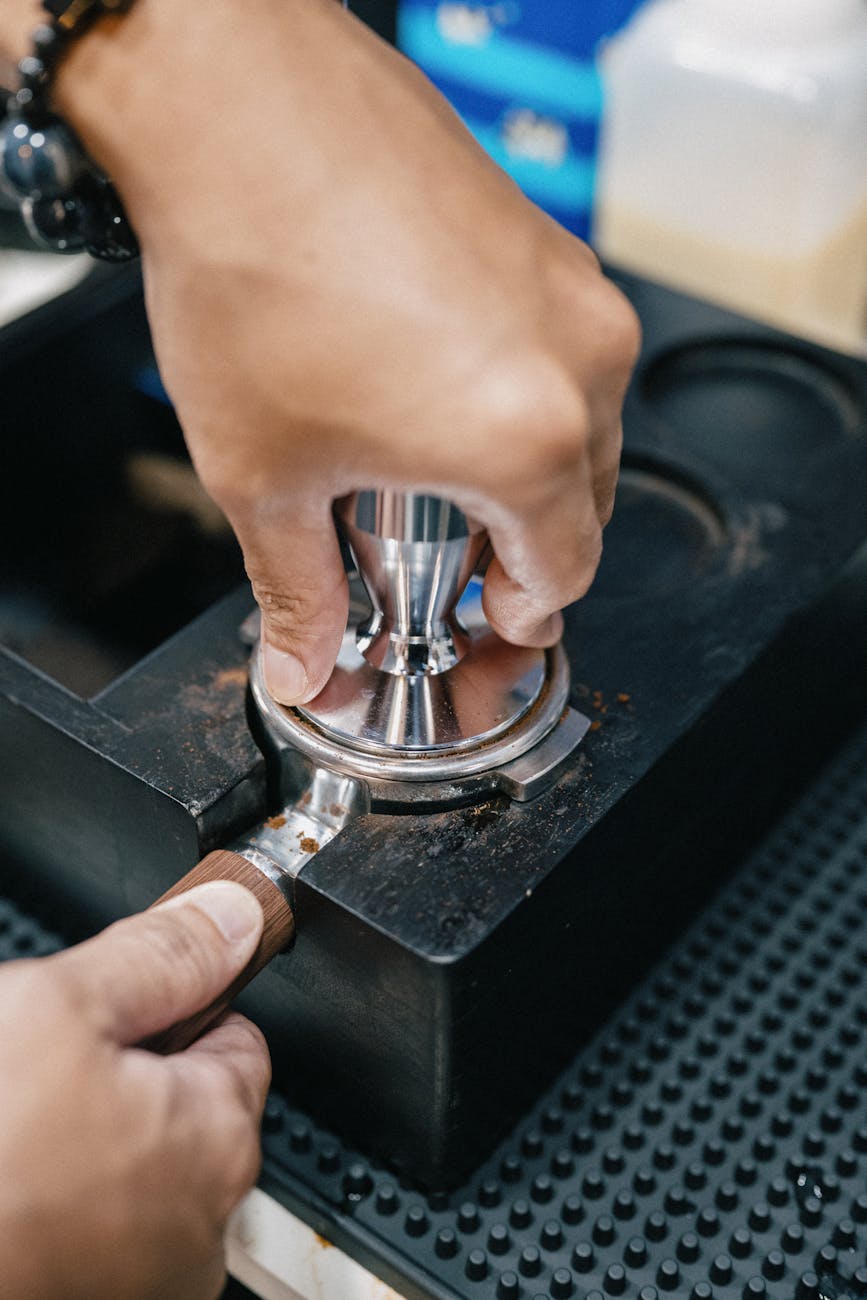
The world of home espresso is filled with gadgets and accessories, each promising to unlock the secret to the perfect shot. Among the more recent additions to the barista’s toolkit is the humble puck screen. This small metal disc, placed on top of your tamped coffee, has gained significant popularity. But is it just another trend, or does it offer tangible benefits? This article delves into the two primary claims associated with puck screens: their impact on the cleanliness of your espresso machine’s group head and their effect on water flow during extraction. We will explore how this simple tool can streamline your cleaning routine and potentially elevate the quality and consistency of your espresso, helping you decide if it’s a worthy addition to your setup.
What is an espresso puck screen?
At its core, a puck screen, sometimes called a contact screen or shower screen filter, is a thin, reusable metal disc. It’s typically made from layers of fine stainless steel mesh, fused together to create a rigid but porous filter. The most common micron ratings range from 50 to 150, which dictates the fineness of the mesh. The primary function is simple: you place it directly on top of your prepared coffee puck inside the portafilter basket before locking it into the machine.
Its purpose is twofold. Firstly, it acts as a physical barrier between the hot, pressurized water coming from the group head and the coffee grounds themselves. Secondly, it creates a small chamber that helps to diffuse the initial jet of water, preventing it from aggressively hitting one spot on the coffee bed. While it seems incredibly simple, this dual role has significant consequences for both machine maintenance and the quality of the extraction.
The direct impact on group head cleanliness
One of the most immediate and noticeable benefits of using a puck screen is a dramatically cleaner group head. When you finish pulling an espresso shot without a screen, the pressure release from the three-way solenoid valve often causes a “sneeze” effect. This violent pressure drop sucks fine coffee particles and oils upwards, plastering them onto the shower screen and into the nooks and crannies of the group head.
The puck screen acts as a highly effective barrier, preventing this from happening. Here’s how it helps:
- Cleaner shower screen: With the screen in place, your shower screen remains virtually free of coffee grounds after each shot. A simple water flush is often enough to keep it pristine, drastically reducing the frequency of needing to remove and scrub it.
- Less backflushing gunk: Because fewer coffee oils and grounds are making their way into the group head, your backflushing routine becomes much cleaner. You’ll notice the water and detergent mixture comes out cleaner, indicating less buildup inside the machine’s internals.
- Drier pucks: The screen helps to create a contained puck that holds its form. After extraction, you’re left with a dry, solid puck that knocks out cleanly, leaving minimal residue in the portafilter basket. No more soupy, messy pucks.
This enhanced cleanliness isn’t just aesthetic; it prolongs the life of components like the three-way solenoid valve, which can become clogged by coffee residue over time, leading to costly repairs.
How puck screens influence water flow and extraction
Beyond cleanliness, the puck screen’s second major role is to improve the dynamics of water extraction. The shower screen in an espresso machine is designed to distribute water, but it’s not always perfect. Water can exit the holes with some force, potentially disturbing the surface of the coffee puck and creating small fissures before the bed is fully saturated. This is a primary cause of channeling.
Channeling occurs when water finds a path of least resistance through the coffee puck, over-extracting from that channel while under-extracting the rest of the puck. The result is a shot that is simultaneously bitter and sour. A puck screen mitigates this by:
- Diffusing water flow: The screen intercepts the jets of water from the shower screen and disperses them more gently and evenly across the entire surface of the coffee.
- Promoting even saturation: By ensuring the entire top layer of the coffee gets wet at the same time, it encourages a more uniform saturation of the puck from top to bottom.
- Increasing consistency: This improved water distribution leads to a more even and repeatable extraction, reducing the likelihood of channeling and helping you pull more consistent, balanced shots.
It is important to note that a puck screen is not a substitute for good puck preparation. Techniques like Weiss Distribution Technique (WDT), level tamping, and using a properly sized basket are still crucial. The puck screen is best viewed as a final tool that enhances an already well-prepared puck, ensuring the water interacts with it in the best way possible.
Workflow adjustments and considerations
While the benefits are compelling, integrating a puck screen into your routine requires a few minor adjustments. First, the screen itself is a metal object that can act as a heat sink. If you place a cold screen on your coffee, it can slightly lower the brew water temperature, potentially affecting extraction. It’s best practice to preheat the screen by placing it on top of your machine or in the portafilter during a pre-shot flush.
Second, the screen takes up physical space in the basket. Depending on your basket size and coffee dose, you may need to reduce your dose by half a gram or so to ensure there is enough headspace. Finally, the screen is one more item to clean. A thorough rinse under hot water after each use is typically sufficient, with an occasional soak in an espresso machine cleaning solution to remove built-up oils.
| Aspect | Without a Puck Screen | With a Puck Screen |
|---|---|---|
| Group head | Coffee grounds and oils on shower screen after every shot. | Shower screen remains almost perfectly clean. |
| Maintenance | Requires frequent backflushing and scrubbing of the shower screen. | Reduces frequency of deep cleaning and backflushing with chemicals. |
| Water flow | Direct water jets can cause channeling and uneven extraction. | Water is diffused for a gentler, more even saturation of the puck. |
| Puck state | Often wet and soupy, leading to a messy knockout. | Puck is dry and solid, knocking out cleanly in one piece. |
| Workflow | Standard puck prep (distribute, tamp). | Adds steps: place preheated screen on puck, remove and rinse screen after. |
In conclusion, the puck screen proves to be far more than a passing trend. Its impact on espresso machine hygiene is undeniable, creating a cleaner brewing environment that significantly reduces the maintenance burden on the user. By keeping the group head and shower screen free of coffee residue, it not only simplifies cleaning but also protects the machine’s internal components. Furthermore, its ability to gentle and evenly distribute water across the coffee bed directly addresses one of the key variables in espresso extraction. This leads to a lower chance of channeling and a higher potential for balanced, repeatable, and delicious shots. For any espresso enthusiast looking to improve both their coffee and their machine’s longevity, the small workflow adjustments are a minimal price for these substantial benefits.


 No products in the cart.