

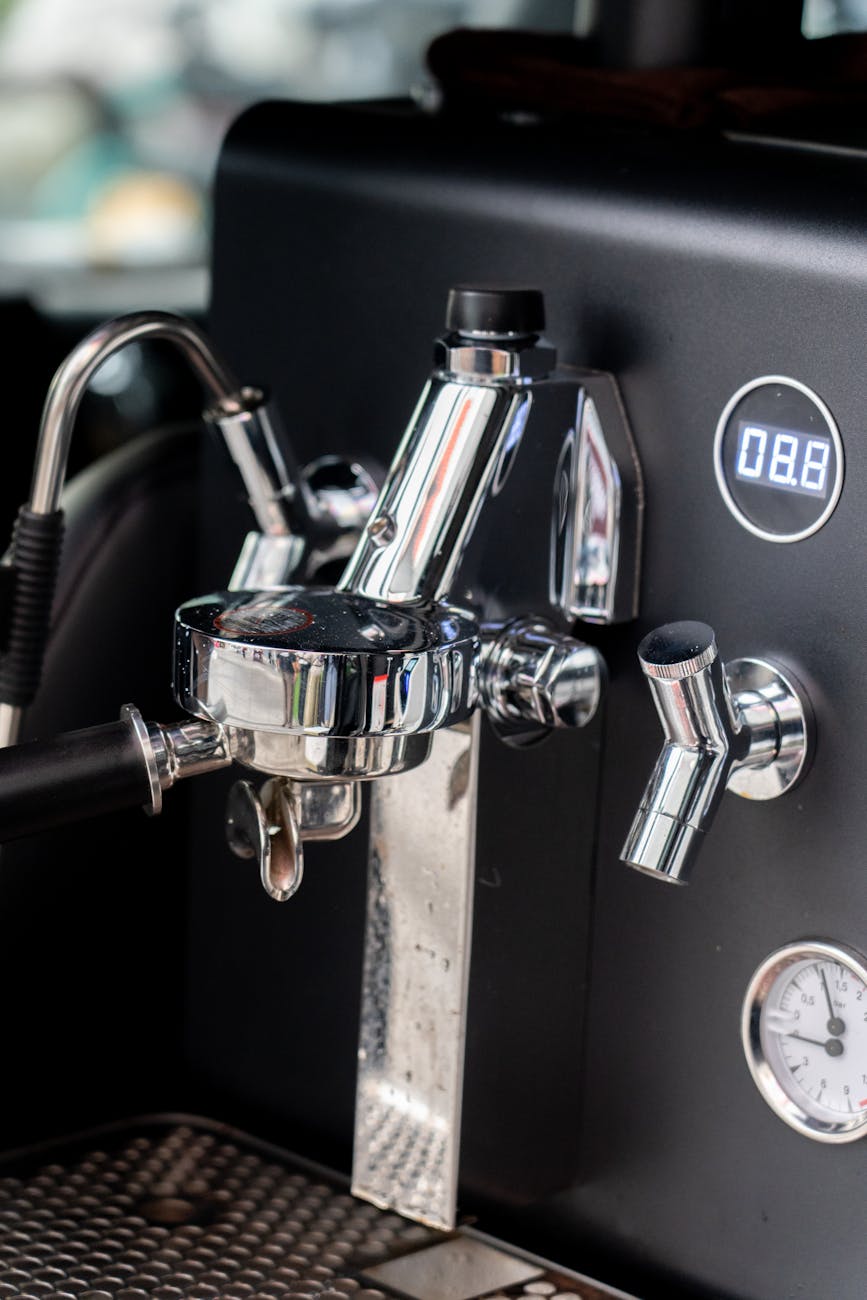
The unseen hero of your espresso: Understanding the three-way solenoid valve
Pulling the perfect espresso shot is a moment of pure satisfaction for any home barista. The aroma fills the air, the rich crema settles on top, and you’re ready to enjoy your craft. But what happens next? If you’re often left with a soupy, messy coffee puck that’s a pain to knock out, the culprit might be the absence of a small but mighty component: the three-way solenoid valve. This crucial piece of engineering is the difference between a frustrating cleanup and a seamless, professional workflow. In this article, we’ll dive deep into the role of the three-way solenoid valve, explaining what it is, how it works, and why it is an essential feature for anyone serious about their espresso-making ritual.
What exactly is a three-way solenoid valve?
At first glance, the name sounds overly technical, but it’s quite descriptive. Let’s break it down. A solenoid is simply an electromagnet used to operate a valve. When an electric current passes through it, it creates a magnetic field that moves a plunger, either opening or closing a path for water to flow. The “three-way” part refers to the three ports, or connections, on the valve:
- The inlet: This port receives pressurized water from the boiler and pump.
- The group head outlet: This port directs that pressurized water to the group head to brew your coffee.
- The exhaust port: This port acts as a release, venting pressure and excess water to the drip tray.
Think of it as a sophisticated traffic controller for the water in your espresso machine. It has two primary positions. In one position, it connects the pump to the group head for brewing. In the other, it closes off the pump and connects the group head to the exhaust. This simple mechanical action is the secret behind a clean, efficient post-shot experience.
The valve in action: From brew to release
To truly appreciate the three-way solenoid valve, it’s important to understand its function during the entire shot-pulling process. When you flip the brew switch to start your shot, you are energizing the solenoid. This action moves the internal plunger to open the channel between the pump and the group head while simultaneously sealing the exhaust port. Hot, pressurized water is now free to flow through your coffee grounds, extracting all the delicious oils and solids that make up your espresso.
The magic, however, happens the moment you turn the brew switch off. The electric current to the solenoid is cut, and a spring instantly pushes the plunger back to its resting position. This single movement accomplishes two things at once: it closes the path from the pump, immediately stopping the flow of water, and it opens the channel between the group head and the exhaust port. This instantaneous change of direction is what sets the stage for the most celebrated benefit of the valve.
The dry puck advantage and workflow efficiency
When the exhaust port opens, the 9 bars (or more) of pressure that had built up inside the group head and portafilter is instantly and forcefully released. This is the distinct “whoosh” or “psst” sound you hear from prosumer and commercial machines right after a shot is finished. This rapid depressurization creates a vacuum effect, sucking the excess water out of the coffee puck and channeling it down through the exhaust port and into the drip tray.
The result is a dry, firm, and solid coffee puck that is incredibly easy to dispose of. It knocks out of the portafilter in a single, clean piece, leaving behind minimal residue. This completely transforms your post-shot workflow:
- Cleanliness: No more dealing with a muddy, soupy mess that requires rinsing and excessive wiping.
- Speed: A quick wipe is all you need before dosing for your next shot, making it much faster to prepare back-to-back drinks for guests.
- Prevents “Portafilter Sneeze”: On machines without this valve, removing the portafilter too quickly can cause the residual pressure to violently expel hot water and coffee grounds everywhere. The solenoid valve makes this a non-issue.
A critical role in machine maintenance
Beyond convenience, the three-way solenoid valve is indispensable for proper machine maintenance, specifically for a process called backflushing. Backflushing is the gold standard for cleaning the internal pathways of your machine’s group head, shower screen, and the valve itself, removing built-up coffee oils and fine particles that can turn rancid and spoil the taste of your coffee.
This process is only possible because of the valve’s exhaust function. By using a “blind” portafilter basket with no holes, you force the pump’s pressure to build up within the group head. When you stop the pump, the three-way valve diverts this pressurized, often detergent-infused water, backward through the system and out the exhaust port, flushing away the gunk with it. Without a three-way valve, this essential cleaning procedure is impossible, making it much harder to maintain the long-term health and performance of your machine.
| Feature | Machine with 3-Way Valve | Machine without 3-Way Valve |
|---|---|---|
| Post-Shot Puck | Dry, firm, and solid | Wet, soupy, and muddy |
| Cleanup | Puck knocks out cleanly; quick wipe | Requires scraping, rinsing, and drying |
| Workflow Speed | Fast; ideal for back-to-back shots | Slow; significant downtime between shots |
| Backflushing | Enabled; allows for deep cleaning | Not possible; limited cleaning options |
While it may be a small, unseen component, the three-way solenoid valve plays a monumental role in the functionality and user experience of an espresso machine. It is the architect of a clean and efficient workflow, transforming the messy aftermath of a shot into a simple, satisfying tap into the knock box. By instantly releasing pressure, it delivers the coveted dry puck, saving you time and frustration. Furthermore, its function is the very foundation of proper machine maintenance through backflushing, ensuring your espresso tastes fresh and your machine remains in top condition. When considering your next espresso machine purchase, looking for this feature is a clear indicator of a well-designed, user-focused appliance that will elevate your entire home barista journey.
 No products in the cart.