

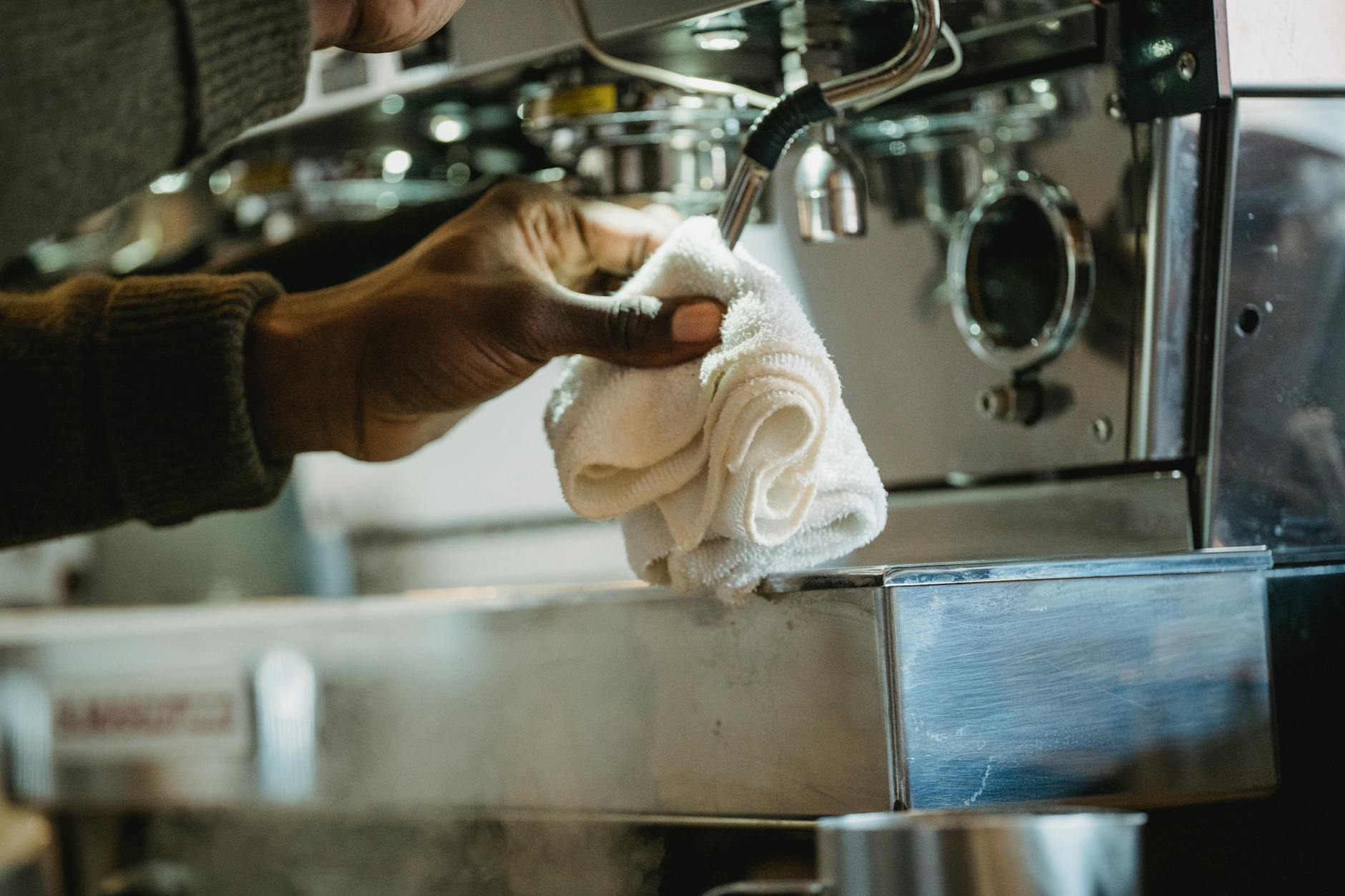
How to properly descale a Gaggia Classic: A guide to protecting your aluminum boiler
The Gaggia Classic is a legendary entry-point into the world of home espresso, celebrated for its robust build and fantastic performance. At its core lies an aluminum boiler, prized for its ability to heat up quickly. However, this same component is also its Achilles’ heel when it comes to maintenance. Limescale, the mineral deposit left by hard water, is the enemy of any espresso machine, but it poses a unique threat to aluminum. Using the wrong descaling agent can lead to corrosion, pitting, and ultimately, irreversible damage to the boiler. This guide will walk you through the essential knowledge and steps required to descale your Gaggia Classic safely, preserving its longevity and ensuring every shot you pull is as delicious as the first.
Understanding the risk to your aluminum boiler
Before we discuss how to descale, it’s crucial to understand why the Gaggia Classic requires special care. The boiler is responsible for heating the water for both brewing and steaming. Over time, calcium and magnesium carbonates from your water supply precipitate out of the water and form a hard, crusty layer on the boiler’s internal surfaces. This is limescale.
Limescale buildup causes several problems:
- Poor thermal performance: Scale acts as an insulator, forcing the heating element to work harder and longer to bring the water to temperature. This leads to inconsistent brew temperatures, a key factor in espresso quality.
- Clogs and blockages: Small particles of scale can break off and clog the narrow water paths in the machine, including the three-way solenoid valve and the group head, leading to reduced or no water flow.
- Corrosion risk: This is the biggest danger for the Gaggia Classic. Aluminum is a reactive metal. While it forms a protective oxide layer, this layer can be stripped away by strong acids. Many common, DIY descaling solutions are highly acidic and will actively eat away at the aluminum, causing pitting and weakening the boiler’s structure over time. This damage is permanent.
This is why simply grabbing any descaler off the shelf, or using common household acids like vinegar, is a recipe for disaster for your Gaggia Classic.
Choosing the right descaler for aluminum
The single most important decision in this process is selecting a descaling solution that is effective against limescale but gentle on aluminum. The internet is full of well-intentioned but dangerous advice suggesting the use of citric acid or vinegar. Let’s be clear: these are not safe for your Gaggia Classic’s boiler.
Acetic acid (vinegar) is extremely aggressive towards aluminum and should be avoided at all costs. Citric acid is also corrosive to aluminum, though less so. While some may use it in very specific, low concentrations with short contact times, the risk of causing damage is simply too high for a home user to manage reliably.
So, what should you use? The answer is a descaler specifically formulated to be safe for aluminum components. These typically fall into two categories:
- Lactic acid-based solutions: Lactic acid is far less corrosive to aluminum than citric or acetic acid, making it a much safer choice. The official Gaggia descaler, for example, is a lactic acid-based formula.
- Formulas with corrosion inhibitors: Reputable brands like Durgol or Urnex create specialized descalers that contain acids to dissolve scale, but also include additives that protect sensitive metals like aluminum from the acid’s corrosive effects.
When in doubt, always read the product description to ensure it explicitly states “safe for aluminum” or is recommended for machines with aluminum boilers.
| Descaler type | Effectiveness on scale | Safety for aluminum boiler | Recommendation |
|---|---|---|---|
| Vinegar (Acetic Acid) | High | Very low (Corrosive) | Do not use |
| Citric acid | High | Low (Corrosive) | Avoid; too risky |
| Lactic acid-based | Good | High (Safe) | Highly recommended |
| Formulated with inhibitors | High | High (Safe) | Highly recommended |
The safe descaling and rinsing procedure
Once you have your aluminum-safe descaler, you can proceed with the maintenance. Follow these steps carefully to ensure a thorough and safe cleaning.
Step 1: Preparation
- Ensure the machine is turned off and completely cool to the touch.
- Empty the drip tray and the water tank.
- Mix your descaling solution with water in the tank, following the exact ratio specified on the product’s packaging. Do not use a stronger concentration thinking it will work better; this can increase the risk of corrosion.
Step 2: Descaling the boiler and paths
- Place a large bowl or container under the group head and another under the steam wand.
- Turn the machine on. Once the machine is primed, run about 200ml (or one cup) of the solution through the group head by pressing the brew button.
- Next, dispense another 200ml of solution through the steam wand by opening the steam knob and pressing the brew button.
- Turn the machine off. Let the solution sit inside the boiler for 20-30 minutes. This “soak time” allows the descaler to dissolve the minerals without the added aggression of heat.
- Turn the machine back on and repeat the process, alternating between the group head and steam wand, until the water tank is empty.
Step 3: The crucial rinse cycle
Removing the descaling solution is just as important as the descaling itself. Any leftover solution can affect the taste of your coffee and continue to slowly react with the boiler.
- Remove the water tank and wash it thoroughly with soap and water to remove all traces of the descaler.
- Fill the tank with fresh, clean water.
- Run the entire tank of fresh water through the machine, alternating between the group head and steam wand.
- Repeat this step with a second full tank of fresh water. Rinsing with at least two full tanks is non-negotiable to ensure the machine is completely flushed and ready for use.
Frequency and preventative care
How often you need to descale depends entirely on the hardness of your water. You can buy simple water hardness test strips online or at a pet store to get an accurate reading. As a general rule:
- Hard water: Descale every 1-2 months.
- Moderately hard water: Descale every 3-4 months.
- Soft water: Descale every 6+ months.
However, the best strategy is always prevention. Using softened or filtered water from the start will drastically reduce limescale formation, protecting your machine and improving the taste of your espresso. An in-tank water softener pouch or using a good quality water filter pitcher (like a BWT which adds magnesium) can significantly extend the time between descaling cycles and is the best long-term strategy for preserving your Gaggia Classic’s aluminum boiler.
Proper maintenance might seem daunting, but it’s a straightforward process that pays huge dividends in the long run. The heart of your Gaggia Classic, its aluminum boiler, is a powerful but sensitive component. By rejecting harmful DIY solutions like vinegar and citric acid, you actively protect it from corrosion. Instead, opting for a descaler specifically formulated to be safe for aluminum—such as a lactic acid-based product or one containing corrosion inhibitors—is the only responsible choice. Following a careful descaling and rinsing procedure based on your water hardness is not just a chore; it is an investment in your machine’s health. This mindful approach ensures your Gaggia Classic will remain a reliable workhorse, ready to produce rich, delicious espresso for many years to come.
 No products in the cart.