

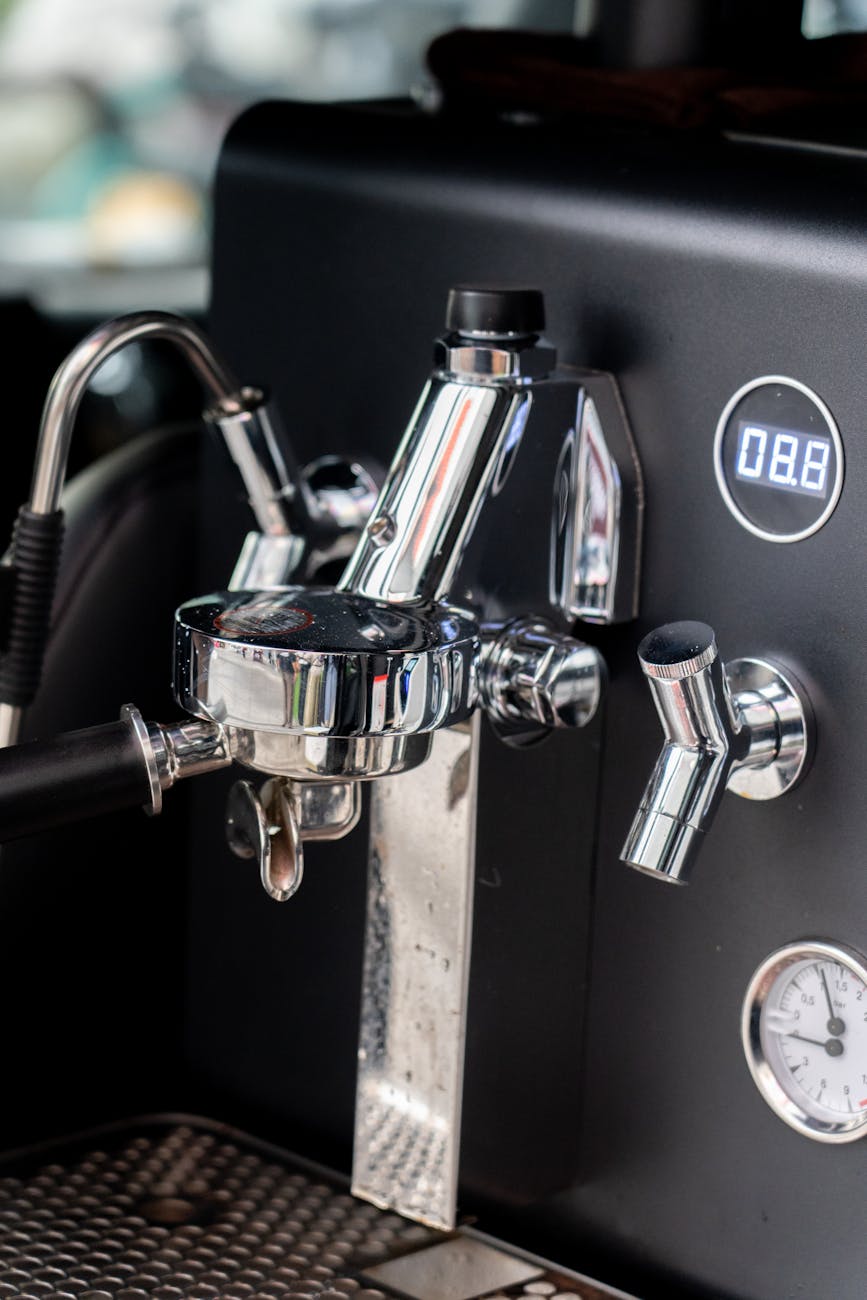
The Gaggia Classic is a legendary machine in the world of home espresso, beloved for its robust build and potential to produce café-quality shots. However, for many new owners, a common point of confusion and frustration is the heat-up time. The machine has a “ready” light that illuminates after just a few minutes, yet pulling a shot at that moment often results in a sour, disappointing cup. So, how long should you really wait? This article will delve into the science and practice of properly warming up your Gaggia Classic. We’ll explore the crucial difference between the ready light and true thermal stability, why warming the entire machine is non-negotiable, and provide a practical routine to help you achieve consistently delicious espresso every time.
The “ready” light vs. true thermal stability
One of the first things you’ll notice on your Gaggia Classic is the brew-ready light. After flipping the power switch, this light will turn on in about 3 to 5 minutes. It’s easy to assume this is the green light to start pulling your shot. Unfortunately, this is a common rookie mistake. The ready light only indicates one thing: the water inside the small aluminum boiler has reached brewing temperature. It tells you nothing about the temperature of the rest of the machine.
This is where the concept of thermal stability comes in. For a great espresso extraction, you need a stable, consistent temperature throughout the entire brew path. This includes not just the water in the boiler, but also the heavy brass group head (the part the portafilter locks into) and the portafilter itself. If these components are cold or merely lukewarm, they will act as a heat sink, instantly robbing the hot brew water of its thermal energy as it travels to the coffee puck. This sudden temperature drop is a primary cause of under-extraction, leading to the dreaded sour shot.
Why warming the entire brew path matters
Building on the idea of thermal stability, let’s break down why a fully heated machine is so critical. Espresso extraction is a delicate chemical reaction where hot, pressurized water dissolves solids and oils from finely ground coffee. Temperature is one of the most important variables in this equation. Even a few degrees of difference can drastically change the final taste in the cup.
Think of it like preheating an oven to bake a cake. You don’t put the cake in the moment the “preheat” light turns off; you wait for the entire oven cavity and its walls to become saturated with heat. The Gaggia Classic’s group head and portafilter are like the oven walls. They have significant thermal mass, meaning they require time to absorb and hold heat.
When the entire brew path is hot, the water temperature remains stable from the boiler to the coffee grounds. This allows for a proper, even extraction of all the desirable flavor compounds, resulting in a balanced, sweet, and complex shot. Rushing the process with a cold portafilter is the fastest way to get an inconsistent, weak, and acidic cup of coffee.
A practical routine for optimal Gaggia Classic warm-up
So, what’s the secret to achieving that crucial thermal stability? Patience and a simple routine. Forget the 3-minute ready light and adopt this process to dramatically improve your espresso quality.
- Power on with the portafilter locked in. Always start with your portafilter (empty and clean) locked tightly into the group head. This ensures both components heat up together.
- Wait for the initial ready light. This will take about 3-5 minutes and serves as your first checkpoint. This is the start of your warm-up, not the end.
- Wait an additional 10-15 minutes. This is the most important step. Leave the machine on for a total of at least 15 to 20 minutes. This period allows the heat from the boiler to slowly and thoroughly saturate the heavy group head and portafilter.
- Perform a warming flush. Right before you dose your coffee, run a quick 2-3 second flush of water through the group head with the portafilter removed. This purges any overly hot water sitting at the top of the boiler and gives the group head a final blast of heat.
This routine ensures that every part of the machine that comes into contact with your brew water is at a stable and optimal temperature.
| Wait Time (Total) | Expected Result | Notes |
|---|---|---|
| 5 Minutes | Poor | Likely to be sour and under-extracted. The ready light is on, but the group head is cold. |
| 10 Minutes | Fair | Getting better, but still likely inconsistent. The group head is only partially warmed. |
| 15-20 Minutes | Excellent | The machine should have good thermal stability, leading to consistent, balanced shots. |
Advanced techniques and PID controllers
For enthusiasts who want to take temperature control even further, there are more advanced methods. The standard Gaggia Classic’s boiler operates on a simple thermostat, causing the temperature to swing up and down in a cycle. “Temperature surfing” is a technique where you learn this cycle and time your shot to start at a specific point, aiming for a more precise brew temperature. While effective, it requires practice and a keen sense of timing.
A more popular and reliable solution is installing a PID (Proportional-Integral-Derivative) controller. This is a common modification that replaces the machine’s basic thermostat with a digital controller. A PID provides rock-solid boiler temperature stability, holding it within a single degree of your set target. This eliminates the need for temperature surfing and provides incredible consistency. However, it’s crucial to understand that even with a PID, you still need to follow the 15-20 minute warm-up routine. A PID controls the boiler water temperature perfectly, but it cannot magically speed up the time it takes for the machine’s heavy metal components to absorb that heat.
In conclusion, the key to unlocking the Gaggia Classic’s true potential lies in understanding and respecting its need for proper thermal preparation. The machine’s ready light is merely a suggestion that the boiler is hot, not an invitation to brew. True thermal stability, which is essential for delicious and repeatable espresso, is only achieved after a full 15-to-20-minute warm-up period that allows the group head and portafilter to become fully saturated with heat. By incorporating this simple waiting period into your coffee routine, you move beyond the frustration of sour shots and begin to consistently produce the rich, balanced, and complex espresso your Gaggia Classic is famous for. Patience, in this case, is truly a virtue that pays off in every single cup.

 No products in the cart.