

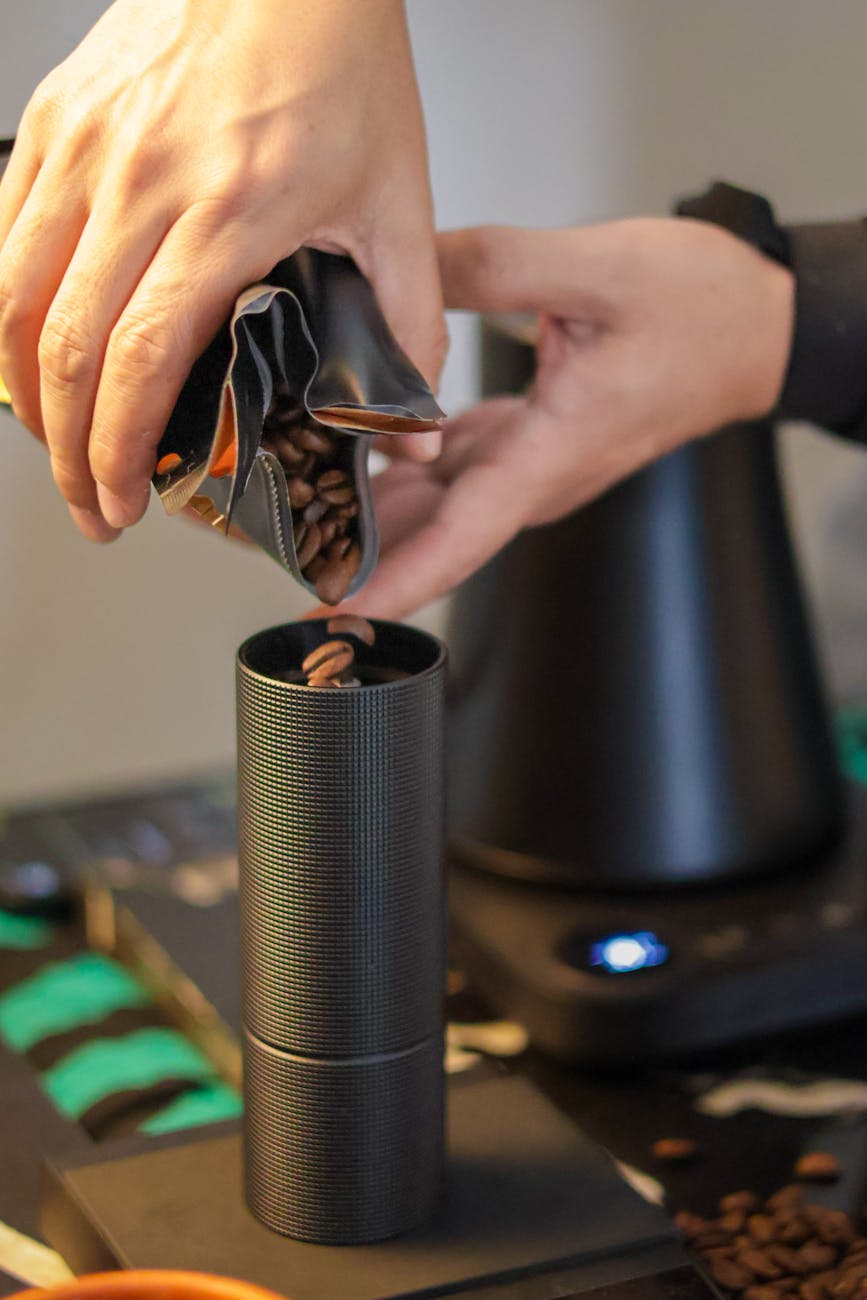
Achieving the perfect cup of Turkish coffee is an art form, and at its heart lies a deceptively simple element: the grind. Unlike any other brewing method, Turkish coffee requires a grind as fine as powder, a consistency that challenges even the most sophisticated equipment. Many coffee enthusiasts with high-end espresso grinders wonder if their powerful machines can handle this task. The answer is a resounding yes, but it requires precision, care, and a deep understanding of your equipment. This article will guide you through the process of mastering the Turkish coffee grind size on your high-end espresso grinder, transforming it from a powerful espresso tool into a versatile machine for creating an authentic, rich, and aromatic Turkish brew.
Understanding the unique demands of a Turkish grind
Before you even touch your grinder’s adjustment dial, it’s crucial to understand why the Turkish grind is so unique. For methods like espresso or pour-over, the goal is extraction. Water passes through the coffee grounds, pulling out soluble flavors. For Turkish coffee, the goal is suspension. The incredibly fine coffee particles are meant to be suspended in the water during the brewing process in a cezve or ibrik, creating the characteristic thick, rich body. They then settle at the bottom of the cup to form the “mud” that is left behind.
The target consistency is not merely “fine”; it is powdery. Think of the texture of cocoa powder or flour. When you rub it between your fingers, it should feel silky smooth with no discernible individual particles. This is significantly finer than a standard espresso setting. Pushing a grinder to this limit puts considerable stress on its burrs and motor. While high-end espresso grinders are built with tight tolerances and powerful motors, they are primarily designed to produce a uniform grind in the espresso range. Asking them to produce a powder requires careful calibration and an awareness of the machine’s limits.
Calibrating your grinder for the finest setting
The key to achieving a Turkish grind is to know your grinder’s absolute limit. This starts with finding its “true zero” point, which is the point where the burrs touch. It’s a delicate process that should be done with care.
- Clean your grinder: First, ensure the grinder is completely empty and clean. Old coffee grounds can interfere with calibration and give you a false reading.
- Find the zero point: With the motor off, slowly and carefully tighten the grind adjustment until you feel the slightest resistance. This is the burrs beginning to touch. Now, turn the motor on and very slowly continue to adjust finer. The moment you hear a light metallic whirring or “chirping” sound, stop immediately. This is your true zero. Back off the setting just enough for the sound to disappear.
- Mark your setting: Make a note of this zero point on your grinder’s collar. This is your absolute limit, and you should never grind coffee at this setting. The Turkish setting will be just a hair coarser than this point.
This process is generally easier on stepless grinders, which offer infinite adjustment points between settings. They allow for the micro-adjustments necessary to dial in the perfect powder. Stepped grinders, which click between predefined settings, might struggle. You may find one step is too coarse while the next is so fine that it stalls the motor. If you have a stepped grinder, you must test its finest settings carefully to see if a true Turkish grind is achievable without damaging the machine.
The grinding process and dialing in
With your grinder calibrated, you can begin the process of dialing in the grind. Start with a small dose of beans, around 10 grams, to avoid waste and minimize stress on the motor. Set your grinder to a setting just slightly coarser than your marked zero point.
Grind the beans and pay close attention to the sound of the motor. If it sounds like it is struggling or slowing down significantly, your setting is too fine. Stop immediately and adjust coarser. Once you have your ground sample, perform a simple tactile test. Pinch some of the coffee between your thumb and forefinger. It should feel completely smooth, like dust. If you feel any grittiness, you need to adjust slightly finer, moving in tiny increments toward your zero point.
Be prepared to encounter a few common issues when grinding this fine. Here’s a quick guide to troubleshooting:
| Problem | Probable cause | Solution |
|---|---|---|
| Grinder is stalling or choking | The grind setting is too fine, causing the burrs to lock up with coffee powder. | Immediately stop the grinder. Coarsen the grind setting significantly before turning it back on. |
| Excessive static and clumping | Common with very fine grinds due to friction. Can be worse with certain beans or low humidity. | Try the Ross Droplet Technique (RDT): spritz your beans with a tiny amount of water before grinding. |
| Motor is overheating | Grinding very fine is hard work for the motor, especially for larger quantities. | Grind in short bursts. Give the grinder a minute to cool down between doses. |
Maintenance and long-term care
Consistently grinding for Turkish coffee is the most demanding task you can ask of your grinder. This high-stress operation necessitates a more rigorous maintenance schedule to ensure the longevity and performance of your machine. Because the coffee is ground to a powder, it can work its way into every crevice of the burr chamber and chute. This buildup can affect grind consistency over time and lead to stale flavors in your brew.
You should plan to clean your burrs much more frequently than you would with a standard espresso routine. A full disassembly and deep cleaning of the burrs and grinding chamber every few weeks is a good practice if you are regularly making Turkish coffee. This is also a good opportunity to check your burr alignment. Misaligned burrs will struggle to produce a uniform powder and will wear down unevenly. Finally, be mindful that this intense use will wear out your burrs faster than grinding for other methods. Keep an eye on their sharpness and be prepared to replace them sooner to maintain peak performance.
In conclusion, using a high-end espresso grinder for Turkish coffee is not only possible but can yield exceptional results. The precision and consistency of a quality grinder allow for a level of control that traditional hand grinders often cannot match. The journey begins with understanding the unique, powdery nature of the Turkish grind, followed by a careful and precise calibration to find your grinder’s true zero point. From there, it’s a matter of patient dialing in, troubleshooting common issues like stalling or static, and committing to a rigorous maintenance schedule. While it demands more from both the user and the machine, mastering this technique unlocks the full potential of your grinder and rewards you with an authentic, incredibly rich cup of Turkish coffee.


 No products in the cart.