

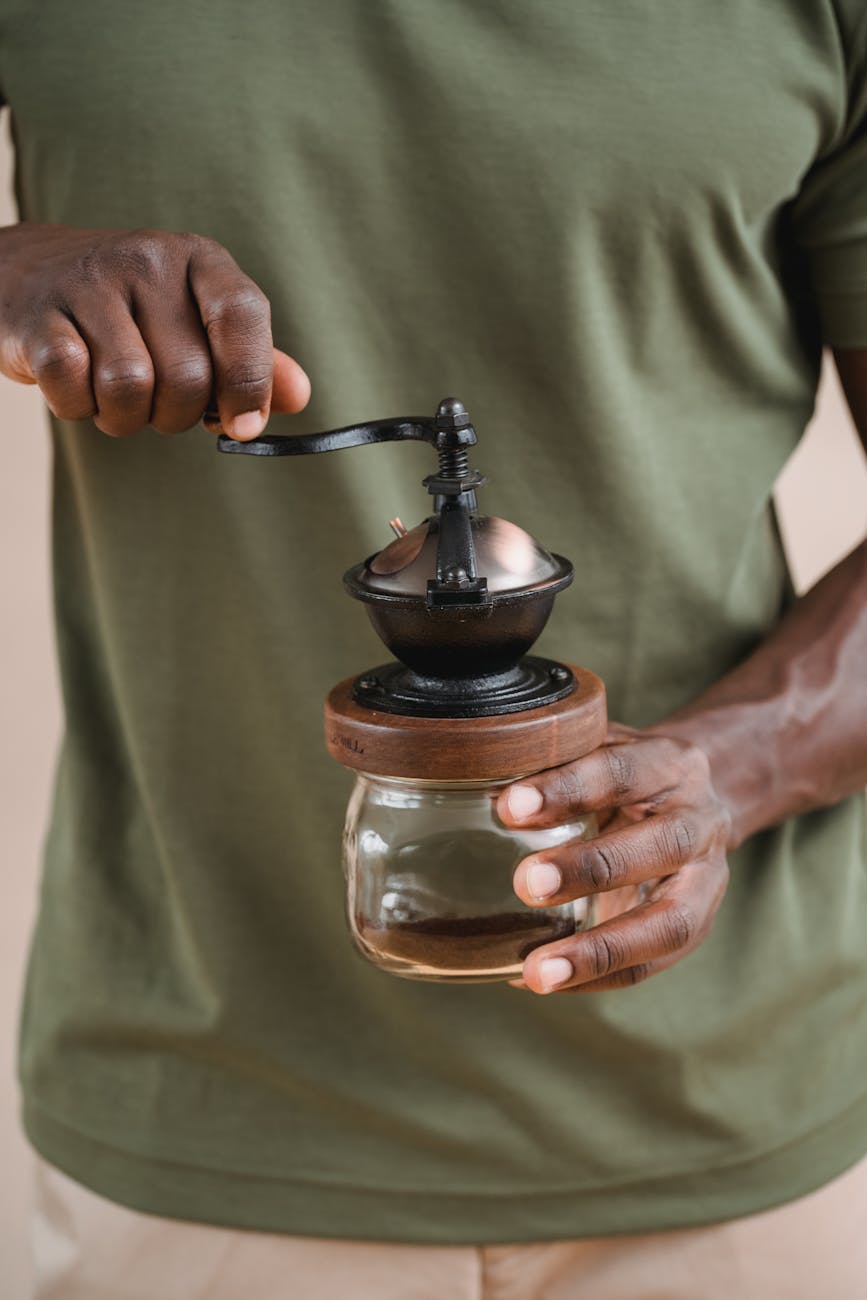
Mastering the Turkish coffee grind size on home espresso grinders
The allure of authentic Turkish coffee is undeniable. It’s a brewing method steeped in history, producing a cup that is simultaneously intense, aromatic, and uniquely full-bodied. For many coffee lovers, replicating this experience at home is the ultimate goal. However, they quickly run into the single most critical and challenging element: the grind. A true Turkish grind is an impalpable powder, finer than any other coffee preparation, and achieving this with standard home equipment can seem daunting. This article is your guide to navigating that challenge. We will delve into what makes the Turkish grind so special and explore how you can push your home espresso grinder to its absolute limit to get as close as possible to that perfect, flour-like consistency.
Understanding why the grind is everything
Before you even touch your grinder’s adjustment collar, it’s crucial to understand why the Turkish grind is so radically different. We’re not just talking about a “fine” setting; we’re talking about pulverizing coffee beans into a dust. In terms of measurement, a typical espresso grind falls between 200-400 microns. For Turkish coffee, you’re aiming for under 100 microns, a consistency similar to that of cocoa powder or flour. This isn’t just for show; it’s fundamental to the brewing science of an ibrik (or cezve).
Unlike drip or French press, Turkish coffee is an immersion method where the grounds are never separated from the final beverage. They remain suspended in the liquid. This ultra-fine grind is essential for two reasons:
- Extraction: The massive surface area allows for a rapid and thorough extraction of flavors and oils in the short time the coffee is on the heat.
- Texture: The powder-like particles create the iconic thick, velvety body and help build the rich, stable foam on top, known as kaymak.
A grind that is too coarse, even by a small margin, will fail on both fronts. It will under-extract, leading to a weak and sour taste, and the larger particles will create an unpleasant, gritty sludge in the cup instead of a smooth, muddy sediment at the bottom.
Assessing your grinder’s potential
With the “why” established, the next logical question is whether your equipment is up for the task. Let’s be clear: a blade grinder is not an option. It shatters beans unevenly and cannot produce the necessary uniformity. You absolutely need a burr grinder. However, not all burr grinders are created equal when it comes to this specific challenge.
The finest setting on most high-quality consumer grinders is calibrated for espresso, which, as we’ve learned, is still significantly coarser than a Turkish grind. The key to pushing past this limitation lies in understanding your grinder’s “zero point.” This is the setting where the two burrs physically touch, representing the absolute finest grind possible. For safety and to prevent damage, manufacturers set the grinder’s dial to stop several steps before this point. The ability to get close to this true zero point is what separates a capable grinder from one that just won’t work for Turkish coffee. High-end grinders, particularly those with large flat burrs, often have tighter tolerances and can be adjusted finer, but many quality conical burr grinders can also be successfully recalibrated.
The step-by-step guide to calibrating for an ultra-fine grind
This is where we get technical. Pushing your grinder beyond its factory settings requires care and attention. A word of caution: This process can potentially void your warranty or, if done incorrectly, damage the burrs. Proceed slowly and carefully.
The goal is to find your grinder’s true zero point and then use that as a reference to dial in the Turkish setting.
- Prepare the Grinder: Unplug the machine from the power outlet. Remove all beans from the hopper and, if possible, the grinding chamber.
- Purge Old Grounds: Plug the grinder back in and run it for a few seconds to clear out any residual grounds or bean fragments caught between the burrs. Then, unplug it again.
- Find the Zero Point: With the power off, begin to slowly adjust your grind setting finer. You are moving past the finest marked setting on your dial. Listen and feel very carefully. You will eventually hear a faint metallic “chirp” or feel resistance as the edges of the burrs just begin to touch. This is your zero point. Stop immediately. Do not force it further, and never turn the grinder on at this setting.
- Set Your Starting Point: Now that you know where the burrs touch, back the setting off just slightly—one or two micro-adjustments coarser. This is your new starting point for a Turkish grind.
- The Feel Test: Grind a small amount of beans at this new, ultra-fine setting. Take a pinch and rub it between your thumb and forefinger. It should feel completely smooth and silky, like flour. If you can detect any individual, sand-like grains, it is still too coarse, and you may need to adjust a tiny fraction closer to the zero point.
Using the brew to diagnose your grind
The ultimate confirmation of your grind size happens not at the grinder, but in the ibrik. The brewing process itself is an excellent diagnostic tool. Once you’ve prepared your coffee with water and sugar (if using) and placed it on the heat, watch for specific signs that tell you if you’ve succeeded.
A perfect grind will mix into the water with minimal clumping and produce a thick, uniform layer of foam very early in the process. This foam will be stable and rise evenly. The final cup will have a rich, syrupy body and no detectable grit while you drink it. In contrast, a grind that is still too coarse will betray itself immediately. You’ll notice poor foam formation, a watery body, and a telltale sandy texture in your mouth. The table below outlines these key indicators.
| Indicator | Correct Turkish Grind | Grind is Too Coarse |
|---|---|---|
| Foam (Kaymak) | Thick, stable, and forms early. Rises as a single, rich layer. | Thin, bubbly, and collapses quickly. May not form properly. |
| Body/Texture | Rich, full-bodied, and syrupy. Smooth in the mouth. | Watery, thin, and gritty. Unpleasant sandy texture. |
| Flavor | Intense, balanced, and aromatic. | Weak, sour, and under-extracted. |
| Sediment | A fine, mud-like layer settles at the bottom of the cup. | A loose, sandy sludge that easily gets stirred up. |
By paying attention to these signs, you can fine-tune your grinder setting—moving it a hair finer or coarser—until you achieve the perfect brew.
In conclusion, achieving a genuine Turkish coffee grind on a home espresso grinder is an ambitious but attainable goal. It requires moving beyond the machine’s presets and understanding its mechanical limits. By identifying the unique, powder-like nature of the required grind, carefully calibrating your burr grinder to its true zero point, and using the brewing process itself as your final guide, you can successfully unlock this capability. While a dedicated, specialized Turkish grinder will always provide the most consistent and effortless results, the rewarding process of mastering your own equipment brings you one step closer to perfecting this ancient and cherished coffee ritual in your own kitchen. It’s a testament to the versatility of quality coffee gear and the rewarding nature of hands-on coffee preparation.
 No products in the cart.