

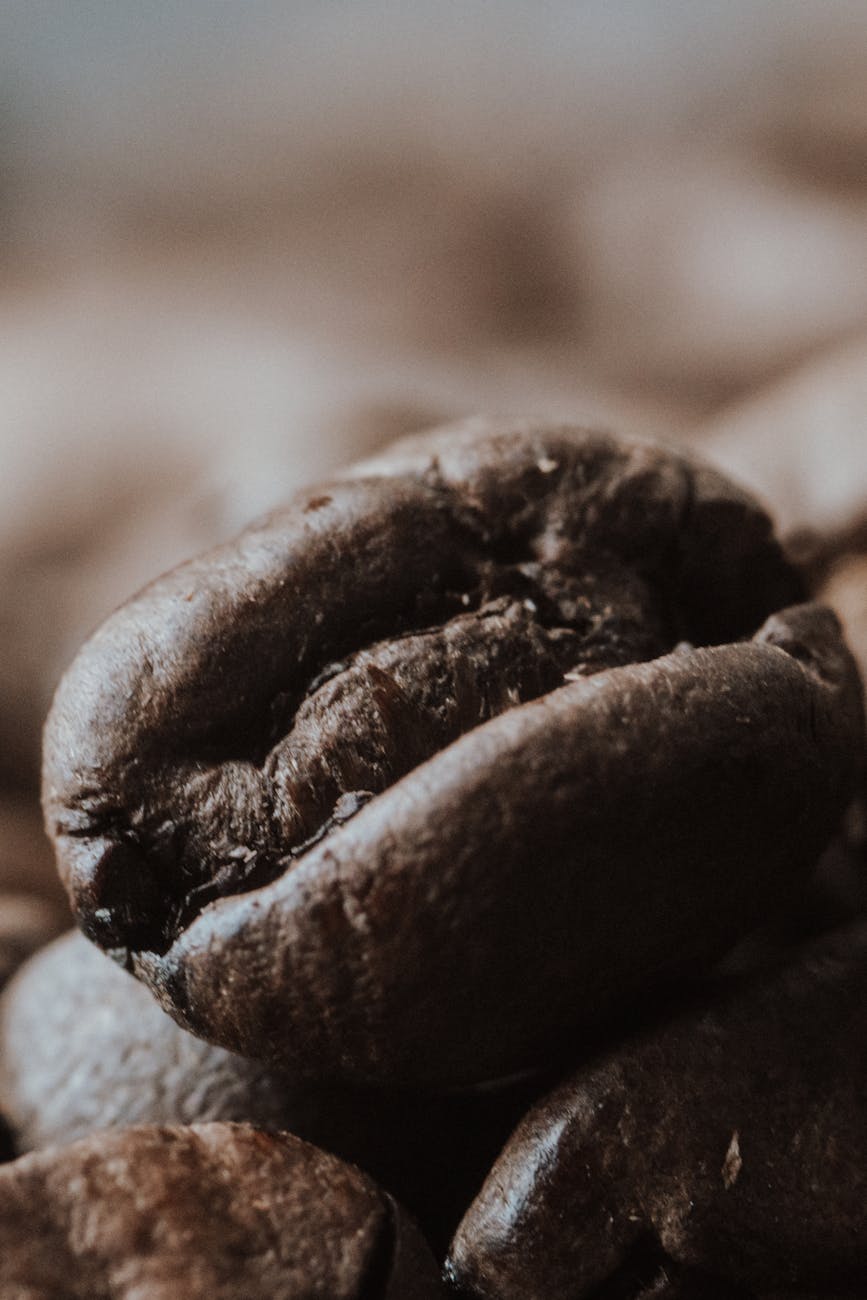
The world of home espresso has undergone a dramatic transformation. What was once a niche hobby is now a mainstream passion, with enthusiasts chasing the perfect shot from the comfort of their own kitchens. At the heart of this evolution is a fundamental shift in how we handle our most crucial ingredient: the coffee bean. The traditional method of filling a large hopper on a grinder is being challenged by a more deliberate and precise technique known as single dosing. This practice, which involves weighing out the exact amount of beans for one drink before grinding, is more than just a trend. It’s a revolution in workflow and philosophy that is fundamentally reshaping the design and functionality of home espresso grinders.
What is single dosing? A shift in mindset
At its core, single dosing is remarkably simple: instead of storing a large quantity of beans in a grinder’s hopper, the user weighs a specific dose—typically 18 to 20 grams for a double espresso—and puts only that amount into the grinder for a single brewing cycle. This marks a significant departure from the traditional “grind-on-demand” workflow, where a hopper acts as a storage container, and the user grinds for a set amount of time to approximate a dose.
This change represents a shift in mindset from convenience to control. The single dosing philosophy treats each and every shot of espresso as an individual, craft preparation. It puts the barista in complete command of the variables, primarily the exact weight of the coffee going in. This precision is the first step in achieving consistency, allowing for more accurate dialing-in and repeatable results. It moves the home brewing experience away from guesswork and closer to a science, empowering users to understand and manipulate their brew with incredible accuracy.
The pursuit of ultimate freshness and flavor
The most compelling argument for single dosing is its profound impact on coffee freshness. Coffee beans are a delicate agricultural product. Once roasted, they begin to degrade through oxidation, a process that is accelerated by exposure to air, light, and heat. A traditional grinder hopper, while convenient, is a suboptimal environment for storing beans. The beans sitting on top are constantly exposed to oxygen, causing their vibrant and volatile aromatic compounds—the very essence of their flavor and aroma—to dissipate over time.
By single dosing, you only grind what you are about to use. The majority of your beans remain safely stored in an airtight, dark container. This ensures that every shot you pull is made with beans at their peak potential, delivering the maximum flavor clarity and complexity intended by the roaster. Furthermore, this workflow unlocks an unparalleled level of flexibility. Without a hopper full of one type of bean, you are free to switch between different coffees effortlessly. You can enjoy a bright, acidic Ethiopian single-origin in the morning and a rich, chocolatey blend in the afternoon, all without the tedious task of emptying and cleaning a hopper.
The war on grind retention
The rise of single dosing has brought a critical grinder issue to the forefront: grind retention. This refers to the amount of coffee grounds that remain inside the grinder’s burr chamber, chute, and internal pathways after a grinding cycle is complete. In traditional hopper grinders, retention can be several grams. This trapped coffee becomes stale and then mixes with the fresh grounds of your next shot, tainting its flavor with old, rancid notes. It also creates inconsistency; if you adjust your grind setting finer, the first shot will contain a mix of the old, coarser grounds, throwing off your extraction.
In response to the demand from single dosers, manufacturers have completely re-engineered their grinders to achieve near-zero retention. This has led to innovations such as:
- Tilted designs: Angling the entire grinder or just the motor and burr set to use gravity to help expel grounds.
- Direct grind paths: Creating the shortest, simplest path from the burrs to the portafilter to minimize areas where grounds can get stuck.
- Bellows: Including a rubber or silicone pump on top of the grinder. A few quick pushes force air through the grind chamber, purging any remaining stubborn particles.
This focus on low retention ensures that the coffee you put in is the same coffee you get out, providing unmatched purity and consistency from shot to shot.
A comparison: Hopper vs. single dose grinders
The practical differences between these two grinder philosophies are stark. While both can produce excellent coffee, they are designed for very different workflows and priorities. The choice between them depends entirely on the user’s goals, whether they prioritize speed and convenience or ultimate control and flavor exploration.
| Feature | Single Dose Grinder | Traditional Hopper Grinder |
|---|---|---|
| Workflow | Weigh beans first, then grind the entire dose. | Grind on demand, typically timed. |
| Bean Freshness | Maximal. Beans are stored airtight until use. | Compromised. Beans in the hopper are exposed to air. |
| Switching Beans | Effortless between each shot. | Difficult and wasteful; requires emptying the hopper. |
| Grind Retention | Engineered to be near-zero (typically < 0.2g). | Variable, can be high (1-5g+). |
| Best For | The home enthusiast seeking precision and flavor exploration. | High-volume settings or users prioritizing speed. |
The table highlights a clear divergence. The hopper grinder excels in a scenario where many drinks of the same coffee need to be made quickly. The single dose grinder, however, is perfectly tailored to the home barista who makes a few drinks a day and wants each one to be an exceptional experience, often experimenting with different beans and recipes.
Ultimately, the single dosing revolution is about empowerment. It has shifted the focus of the home grinder market from simply grinding coffee to providing tools for precision, consistency, and exploration. By demanding grinders that preserve freshness and eliminate retention, home baristas have spurred a wave of innovation that has elevated the quality of espresso that can be made at home. This movement has transformed the grinder from a simple appliance into a precision instrument, placing the pursuit of the perfect shot firmly into the hands of the passionate user. The result is a market filled with exciting new designs and, more importantly, a better cup of coffee for everyone.
 No products in the cart.