

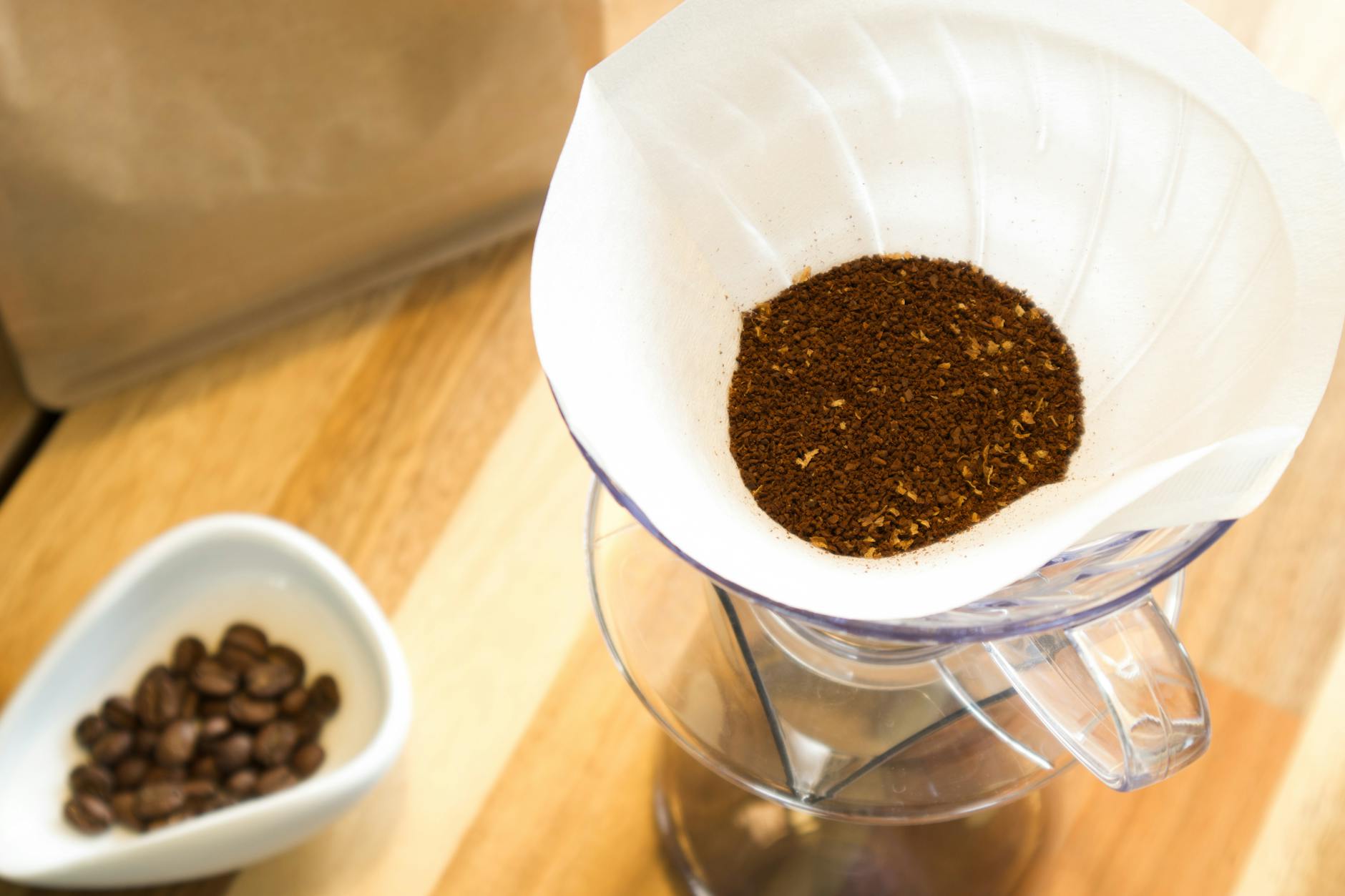
How dosing cups help maintain an organized espresso workflow
The pursuit of the perfect espresso shot at home is a journey filled with passion, precision, and a little bit of science. For many home baristas, this journey can also involve a surprising amount of mess and frustration. Stray coffee grounds on the counter, inconsistent shot weights, and a clunky workflow can take the joy out of the ritual. This is where a simple, often overlooked tool comes into play: the dosing cup. While it may seem like just another accessory, the dosing cup is a cornerstone of an organized, clean, and repeatable espresso routine. This article will explore how this humble vessel can fundamentally improve your workflow, leading to better coffee and a more enjoyable brewing experience.
What is a dosing cup and why does it matter?
At its core, a dosing cup is a small container designed specifically to catch coffee grounds as they come out of your grinder. Its primary function is to provide a clean and efficient way to transfer those grounds into your espresso machine’s portafilter. They typically come in sizes that match standard portafilter baskets, most commonly 54mm and 58mm, ensuring a snug fit for a spill-free transfer. Materials vary from lightweight plastic to durable stainless steel, with many stainless steel models praised for their ability to reduce static cling, a common cause of coffee ground mess.
But its purpose extends far beyond being a simple funnel. The dosing cup is the first step in establishing a controlled and methodical preparation process. Instead of grinding into the wide, often awkward shape of a portafilter, you are capturing your dose in a contained, manageable vessel. This single change sets the stage for improvements in cleanliness, accuracy, and puck preparation, transforming a potentially chaotic process into a streamlined and predictable set of actions. It’s not just an accessory; it’s a foundational tool for intentional espresso making.
Achieving a cleaner workspace
One of the most immediate and satisfying benefits of incorporating a dosing cup is the dramatic reduction in mess. Coffee grounds are notoriously unruly. They are fine, lightweight, and prone to static, which means they can easily scatter across your countertop, floor, and coffee station. Grinding directly into a portafilter often creates a fluffy mound of coffee that spills over the sides, requiring cleanup after every single shot.
A dosing cup elegantly solves this problem. By placing the cup directly under the grinder’s chute, you capture 100% of the grounds. There is no overflow and no stray particles escaping. The contained environment minimizes the effects of static and ensures every last bit of your precious coffee makes it into the cup. This means less time spent wiping down surfaces and more time focusing on the craft of brewing. A clean workspace is not just aesthetically pleasing; it fosters a calmer, more focused mindset, allowing you to move through your workflow efficiently without the constant distraction of cleaning up.
Enhancing dosing consistency and accuracy
Consistency is the key to repeatable, delicious espresso. Every variable matters, and one of the most critical is the dose, or the precise weight of coffee grounds used for each shot. A dosing cup makes achieving this consistency incredibly simple and accurate. Trying to weigh your dose by placing an entire portafilter on a scale is cumbersome. They are heavy, awkwardly shaped, and their weight can fluctuate if they are wet or have old grounds stuck to them.
The dosing cup workflow introduces precision:
- Step 1: Place the empty, lightweight dosing cup on your coffee scale and tare it to zero.
- Step 2: Grind your beans directly into the cup.
- Step 3: Place the cup back on the scale to verify the exact weight, adding or removing tiny amounts of coffee to hit your target dose to a tenth of a gram.
This method ensures that every shot starts with the exact same amount of coffee, eliminating a major variable and making it easier to diagnose issues with your shots. If a shot runs too fast or too slow, you know it isn’t because of an inconsistent dose.
| Feature | Workflow without Dosing Cup | Workflow with Dosing Cup |
|---|---|---|
| Weighing method | Weighing the entire portafilter or guessing. | Weighing grounds in a lightweight, stable cup. |
| Accuracy | Lower, prone to error and inconsistency. | High, allows for precision to 0.1 gram. |
| Mess | High potential for spillage during grinding. | Minimal to no mess. |
| Puck preparation | Grounds can be unevenly distributed in a mound. | Allows for shaking to pre-distribute grounds. |
Streamlining your puck preparation
An organized workflow doesn’t stop after weighing. The quality of your espresso puck, the compressed cake of coffee in the portafilter, is paramount. A dosing cup seamlessly integrates into and improves this next phase. After weighing, you can give the cup a gentle shake to help break up any large clumps from the grinder and begin to settle the grounds evenly. This step is a form of pre-distribution that makes subsequent steps more effective.
The transfer itself is a clean and efficient motion. You simply place the portafilter upside down over the mouth of the dosing cup, flip the entire assembly over, and give it a gentle tap. The grounds fall neatly into the basket, often in a relatively flat and even layer. This creates a perfect canvas for your distribution technique, such as the Weiss Distribution Technique (WDT). You are no longer fighting a messy, unlevel mountain of coffee. Instead, you have a tidy bed of grounds that requires less effort to distribute evenly, reducing the chances of channeling and ensuring a more uniform extraction.
Conclusion
The dosing cup is far more than a simple container; it is a catalyst for a more refined and organized espresso workflow. By systematically addressing three of the biggest pain points for home baristas, it elevates the entire brewing process. It brings cleanliness to your coffee station, eliminating the daily frustration of scattered grounds. It introduces unwavering consistency to your dosing, providing the accuracy needed for repeatable, high-quality shots. Finally, it streamlines your puck preparation, creating a better foundation for an even extraction. For a small investment, the dosing cup offers a massive return in quality, efficiency, and enjoyment, transforming the art of making espresso from a potentially messy task into a calm, controlled, and deeply rewarding daily ritual.

 No products in the cart.