

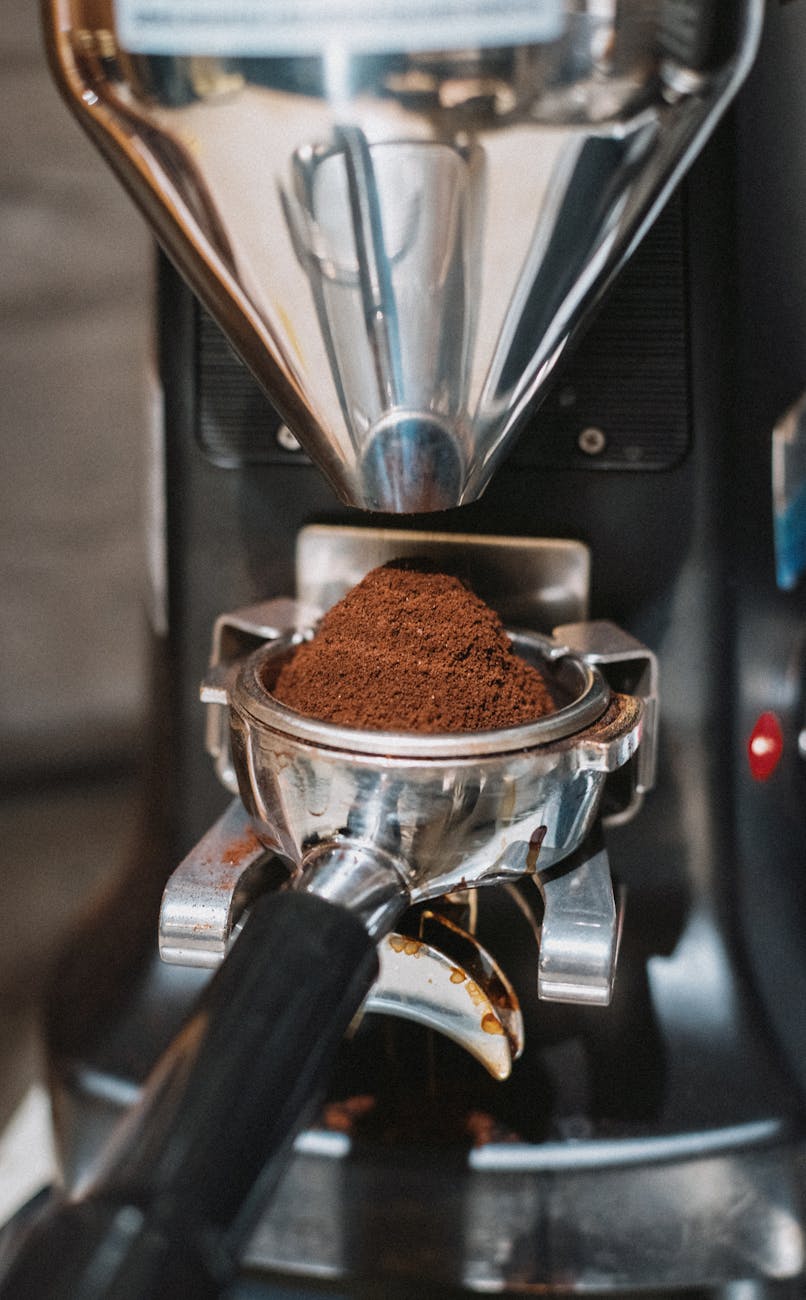
Mastering the Mignon dial: A guide to fine-tuning your espresso
The Eureka Mignon series of grinders is a favorite among home baristas for a reason. It offers exceptional grind quality in a compact, stylish package. However, its most powerful feature can also be its most intimidating: the stepless, micrometric adjustment dial. Unlike grinders with set “clicks,” the Mignon offers infinite control over your grind size, allowing for tiny, precise changes. This level of control is the key to unlocking the perfect espresso shot. This article will demystify the process of making these micro-adjustments. We will guide you through understanding the dial’s sensitivity, the theory behind why you need to adjust, and a practical, repeatable method for dialing in your coffee with confidence and precision.
Understanding the stepless adjustment system
Before you can master the Mignon’s dial, you need to understand what makes it special. The term stepless means there are no predefined clicks or steps between grind settings. You can make an infinitesimally small adjustment by turning the knob just a fraction of a millimeter. This is a professional-grade feature that gives you ultimate control over your extraction, allowing you to perfectly match the grind size to your specific coffee beans, machine, and environmental conditions.
The adjustment knob on the Mignon controls the distance between the burrs. Turning the dial toward the “Coarse” (or larger bean icon) setting moves the burrs apart, creating larger coffee grounds. Turning it toward the “Fine” (smaller bean icon) setting brings them closer together for a finer powder. The key thing to remember is the dial’s incredible sensitivity. A tiny nudge, barely moving the number on the dial, can change your espresso shot time by several seconds. It’s crucial to make adjustments with this sensitivity in mind. Always make adjustments while the grinder is running or completely empty of beans. Adjusting while it’s off and full of beans can cause them to jam the burrs, potentially stressing the motor and making adjustment difficult.
Connecting grind size to your shot
Why are these micro-adjustments so important? Because grind size is the primary variable you will use to control the speed of your espresso extraction. Think of your coffee puck as a filter. Water from your espresso machine is pushed through this puck under high pressure.
- If your grind is too coarse, there will be large gaps between the coffee particles. Water will rush through it too quickly, resulting in a fast, watery shot. This is called under-extraction, and it typically tastes sour, acidic, and lacks body.
- If your grind is too fine, the coffee particles will be packed too tightly. The water will struggle to get through, resulting in a very slow, dripping shot, or even choking the machine completely. This is called over-extraction, and it often tastes bitter, harsh, and astringent.
Your goal is to find the sweet spot. A common starting point for a standard double espresso is a 1:2 ratio (e.g., 18 grams of coffee in, 36 grams of liquid espresso out) in about 25 to 30 seconds. The Mignon’s micro-adjustment dial is your tool to hit that target time and achieve a balanced, delicious taste.
A step-by-step method for dialing in
Dialing in a new bag of coffee can feel daunting, but a methodical approach makes it simple. Let’s assume your dose (grams of coffee) is consistent.
Step 1: Pull a baseline shot. After getting your grind in the general espresso range, pull your first shot and time it. Let’s say your 18g dose produces 36g of espresso in only 18 seconds. This shot is too fast and will likely taste sour.
Step 2: Make one small adjustment. Your shot is too fast, so you need to grind finer. With the grinder running, turn the dial toward the “Fine” setting. Don’t turn it a full number. Instead, think of it like the face of a clock; a movement of “five minutes” on the dial is a significant adjustment. Start with a tiny nudge, perhaps moving the indicator line from the number 2 to just before it.
Step 3: Purge the grinder. After adjusting, a small amount of coffee from the previous, coarser setting is still in the chute. Run the grinder for a second or two to purge these old grounds. This ensures your next shot is made entirely with the newly adjusted grind size.
Step 4: Pull another shot and evaluate. Now, pull another shot with the same dose. You might find your shot time has increased to 24 seconds. You’re very close! The taste will have improved, with less sourness and more body. From here, you might make one more, even smaller, adjustment to hit your target of 27-28 seconds. This iterative process of adjust, purge, and test is the key to perfection.
Troubleshooting your adjustments
Sometimes things don’t go as planned. It’s easy to get lost or overshoot your target. Here’s a simple table to help you diagnose common issues and get back on track.
| Symptom (Your Espresso Shot) | Likely Cause | Mignon Dial Adjustment |
|---|---|---|
| Water gushes out in under 20 seconds. Tastes very sour. | Grind is far too coarse. | Make a significant adjustment finer (e.g., half a number). |
| Shot takes 40+ seconds or barely drips out. Tastes very bitter. | Grind is far too fine. | Make a significant adjustment coarser (e.g., half a number). |
| Shot time is a few seconds too fast (e.g., 22 seconds). | Grind is slightly too coarse. | Make a very small adjustment finer (a tiny nudge). |
| Shot time is a few seconds too slow (e.g., 34 seconds). | Grind is slightly too fine. | Make a very small adjustment coarser (a tiny nudge). |
| You adjusted the dial, but the shot time didn’t change. | You likely forgot to purge the old grounds. | Purge 2-3 grams of coffee before your next shot. |
Remember, coffee beans change as they age, and even changes in humidity can affect your shot time. Don’t be surprised if you need to make small micro-adjustments from day to day to keep your espresso tasting perfect.
Mastering the Eureka Mignon’s dial is a journey of practice and patience. It transforms the grinder from a simple appliance into a precision instrument for crafting exceptional espresso. By understanding that its stepless nature offers infinite control, you can move beyond fear and into a state of confidence. The key is to connect every adjustment to a tangible result in the cup: a shot that is too fast needs a finer grind, and one that is too slow needs a coarser one. Following a methodical process of making one small change, purging, and then testing will save you coffee and frustration. Embrace the sensitivity of the dial, and with a little practice, you’ll be making tiny, intuitive adjustments to pull the perfect shot every single time.
 No products in the cart.