

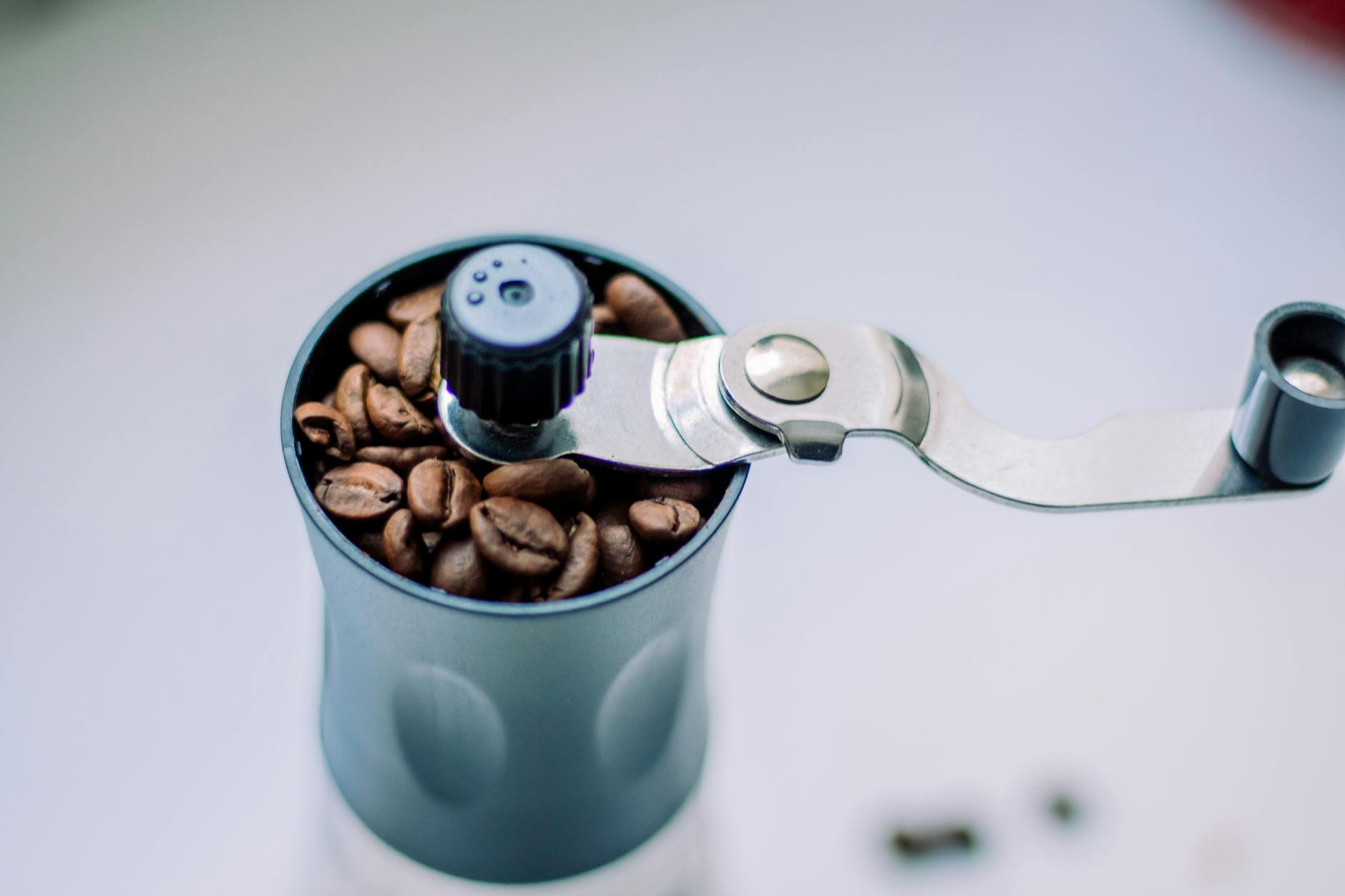
Eureka Mignon single dosing workflow: Reducing retention and waste
The Eureka Mignon series of grinders has earned a stellar reputation in the home espresso community for its build quality, consistent grind, and compact footprint. Traditionally designed to be used with a hopper full of beans, these grinders are fantastic for daily use. However, a growing number of coffee enthusiasts are embracing a “single dosing” workflow, where only the exact amount of beans for one shot is ground at a time. This method maximizes freshness and allows for easy switching between different coffee beans. While the Mignon is a capable platform, adapting it for single dosing requires a specific workflow and a few key accessories to tackle its main challenge: grind retention. This article will guide you through creating an efficient Eureka Mignon single dosing workflow that minimizes waste and ensures every gram of your precious coffee ends up in your cup.
Understanding grind retention in the Eureka Mignon
Before optimizing our workflow, it’s crucial to understand what we’re up against. Grind retention refers to the amount of coffee grounds left inside the grinder after a grinding cycle is complete. In any grinder, some grounds will inevitably get stuck in the burr chamber, the exit chute, and other internal crevices. For a grinder with a full hopper, this is less of an issue, as a relatively stable amount of grounds remains inside, and what you put in is roughly what you get out—a concept known as “exchange.”
When you single dose, however, this retained coffee becomes a significant problem. The grounds from your previous shot can sit inside the grinder, going stale, only to be pushed out with your next fresh dose. This means your first shot of the day might contain several grams of old, oxidized coffee, negatively impacting the flavor. Furthermore, it creates waste and makes it difficult to achieve dose consistency. The Eureka Mignon, with its flat burr set and compact internal pathway, can retain anywhere from 0.5 to over 2 grams of coffee without modifications, which is a substantial percentage of a typical 18-gram espresso dose.
Essential tools for a Mignon single dosing setup
To transform your Mignon from a hopper-based grinder into a low-retention single dosing machine, a few aftermarket accessories are essential. These tools are designed specifically to combat the retention issues inherent in its design.
- Single dose hopper and bellows: This is the most critical component. It replaces the stock hopper with a small funnel to hold a single dose of beans. Attached to this is a flexible, silicone “bellows.” After grinding, you pump the bellows, which pushes a strong puff of air through the grind chamber and chute, forcing out the vast majority of retained grounds. This single tool can drastically reduce retention to near-zero levels.
- Tilted base: A simple but highly effective modification is an angled or tilted stand for the grinder. By positioning the Mignon at a 10-20 degree incline, you enlist the help of gravity. This angle encourages coffee grounds to exit the chute more cleanly and completely, preventing them from settling in the internal pathways. This works in tandem with the bellows for maximum efficiency.
- Dosing cup: While you can grind directly into your portafilter, a dosing cup that fits snugly under the Mignon’s chute makes the process cleaner and more accurate. It catches all the grounds, including those purged by the bellows, and allows you to easily weigh your output to confirm your dose. It also provides the perfect vessel for using a Weiss Distribution Technique (WDT) tool before transferring the grounds to your portafilter.
The step-by-step low-retention workflow
With the right tools in place, achieving a consistent, near-zero retention workflow is straightforward. Follow these steps for the perfect single dose every time.
- Weigh your beans: Using a scale with at least 0.1-gram precision, weigh out your desired dose of coffee beans. For espresso, this is typically between 17 and 20 grams.
- Apply RDT (optional but recommended): The Ross Droplet Technique (RDT) is a simple way to combat static, which causes grounds to cling to the grinder’s chute and create a mess. Lightly spritz the weighed beans with a fine mist of water and give them a quick shake. One small spray is all you need; the beans should not feel wet.
- Add beans and grind: Pour the beans into the single dose hopper. Turn the grinder on and let it run until you hear the sound change, indicating that all the beans have been pulled through the burrs.
- Purge with the bellows: With the grinder motor still running (or immediately after it stops), place the palm of your hand on the bellows and give it 3-5 firm, quick pumps. You will see a final cloud of coffee grounds get pushed out of the chute and into your dosing cup. This is the retained coffee that would have otherwise been left behind.
- Weigh the output: Place your dosing cup with the ground coffee back on the scale. The weight should be identical or within 0.1 grams of your starting bean weight, confirming a successful, low-retention grind.
Measuring and improving your results
The true test of your new workflow is in the numbers. Consistently measuring your input dose versus your output dose is the best way to confirm that you have minimized retention. You can track your results to see how effective your modifications have been. The goal is to get as close to a 0.0-gram difference as possible, ensuring every shot is made entirely of freshly ground coffee.
The table below illustrates the potential improvements at each stage of modification. Note: these are representative values and your actual results may vary based on your specific Mignon model, beans, and environment.
| Workflow Configuration | Input Weight (g) | Typical Output (g) | Retention (g) |
|---|---|---|---|
| Stock grinder with hopper | 18.0g | 16.5g – 17.5g | 0.5g – 1.5g (exchange) |
| Single dosing (no mods) | 18.0g | 17.2g | ~0.8g |
| Single dosing + Bellows | 18.0g | 17.9g | ~0.1g |
| Single dosing + Bellows + Tilted Base | 18.0g | 18.0g | <0.1g |
If you find retention is still higher than you’d like, try pumping the bellows more forcefully or increasing the angle of your tilted stand. Different beans (especially oily, darker roasts) can behave differently, so slight adjustments may be needed as you change your coffee.
Conclusion
While the Eureka Mignon series was not originally designed for single dosing, its robust build and excellent grind quality make it a perfect candidate for this popular workflow with just a few modifications. By understanding the core problem of grind retention, you can take targeted steps to eliminate it. The combination of a single dose hopper with bellows and a tilted base provides a powerful, two-pronged attack on leftover grounds. By following a methodical workflow of weighing, grinding, and purging, you can transform your Mignon into a highly precise and efficient single-dosing machine. This not only eradicates waste and stale coffee from your shots but also unlocks the full potential of your grinder, allowing you to enjoy the freshest, most flavorful espresso possible with every single cup.
 No products in the cart.