

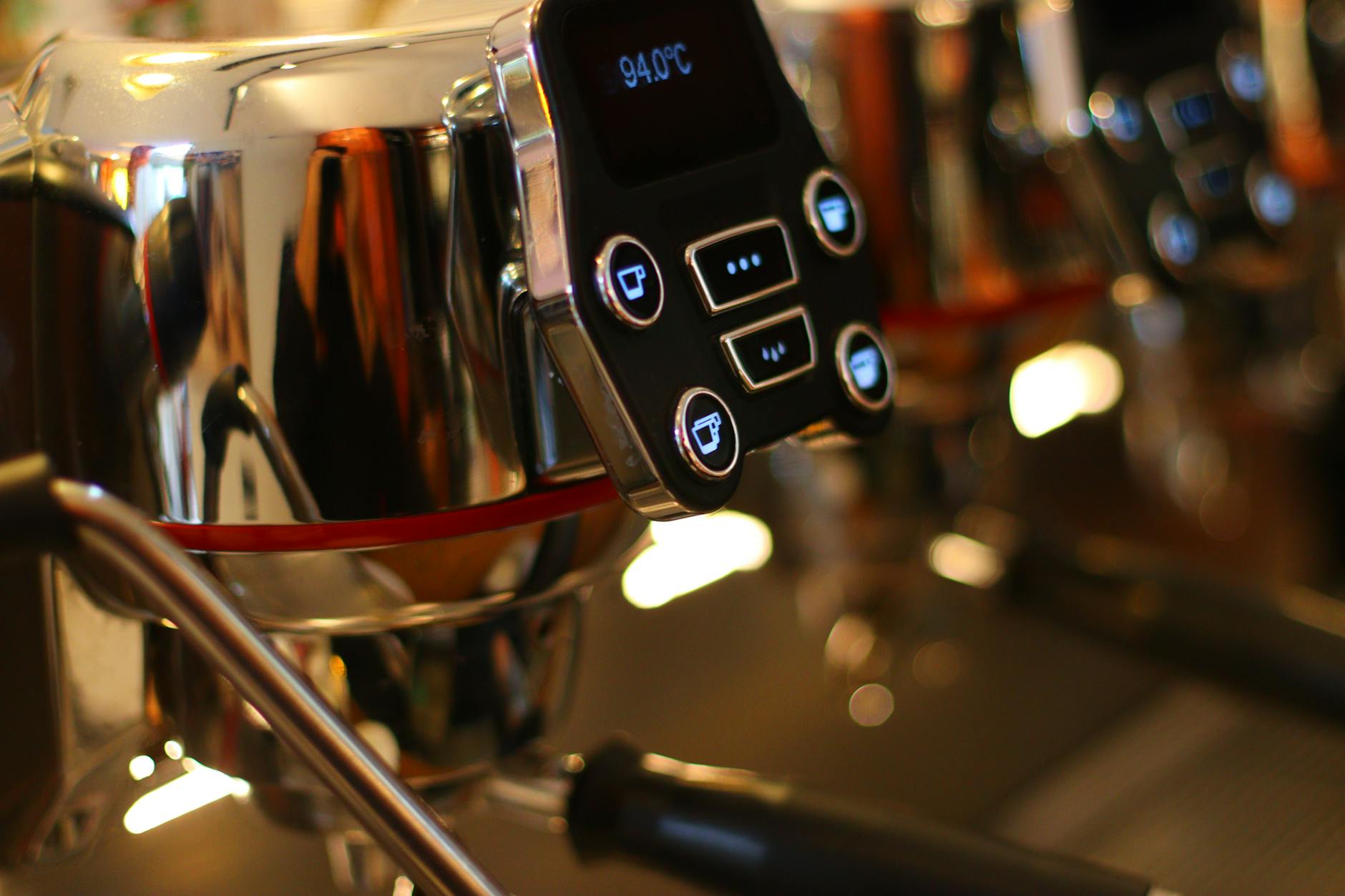
Understanding the science of temperature control in home espresso preparation
The pursuit of the perfect espresso shot is a journey familiar to every home barista. We obsess over grind size, tamping pressure, and extraction time, but one of the most critical variables is often the most misunderstood: water temperature. It’s not just about making the water hot; it’s about achieving a precise, stable temperature that unlocks the desired flavors from your coffee beans. An espresso shot brewed just a few degrees too cool can be sour and underwhelming, while one brewed too hot becomes bitter and harsh. This article delves into the science behind temperature control, exploring why it’s so crucial for extraction, how different espresso machines manage heat, and how you can harness this knowledge to elevate your home espresso from good to exceptional.
The chemistry of extraction: Why temperature matters
At its core, pulling an espresso shot is a rapid chemical extraction. Hot, pressurized water flows through a puck of finely ground coffee, dissolving hundreds of soluble compounds that create the complex aroma, flavor, and body of the final beverage. Temperature acts as the primary catalyst in this process, directly influencing which compounds are extracted and at what rate.
Think of it like this: different flavor compounds have different levels of solubility. The bright, acidic notes in coffee are highly soluble and extract relatively easily, even at lower temperatures. Sugars, which contribute to sweetness and body, require a bit more heat and time. Finally, the heavier, more bitter compounds are the least soluble and are pulled out more aggressively at higher temperatures.
- Too cool (Under-extraction): If your brew water is below the optimal range (e.g., below 90°C or 195°F), you will primarily extract the fast-dissolving organic acids. The sugars and oils that provide balance and sweetness won’t have enough energy to dissolve properly. The result is a shot that tastes overwhelmingly sour, thin, and hollow.
- Too hot (Over-extraction): When the water is too hot (e.g., above 96°C or 205°F), you extract everything too quickly. You’ll get the acids and sugars, but you’ll also aggressively pull out the bitter compounds, like melanoidins, and break down delicate oils. This leads to a shot that is bitter, astringent, and can have a burnt or chalky taste.
The goal is to find the “sweet spot” where you achieve a balanced extraction—enough heat to dissolve the desirable sugars and oils without scorching the grounds and releasing excessive bitterness. This perfect balance is what creates a rich, complex, and satisfying espresso.
The hardware: How espresso machines manage heat
Understanding the importance of temperature naturally leads to the next question: how do our machines control it? The heating system inside an espresso machine is the single biggest factor in its ability to deliver stable and accurate brew water. Home machines typically use one of a few common technologies, each with its own pros and cons for thermal stability.
Thermoblocks and Thermocoils: Found in most entry-level and appliance-grade machines, these systems flash-heat water on demand as it passes through a heated metal block or coil. While they heat up very quickly, their small thermal mass makes them highly susceptible to temperature fluctuations. The temperature can drop significantly as cool water enters the system during the shot, leading to inconsistent extraction.
Single Boilers: A step up in performance, these machines use a single, small boiler to heat water for both brewing and steaming. They offer better stability than a thermoblock because of the larger body of heated water. However, since brewing (around 93°C) and steaming (around 120°C+) require different temperatures, you must wait for the machine to heat up or cool down when switching between functions, which can be disruptive to your workflow.
Heat Exchangers (HX): Common in prosumer machines, an HX system features a large steam boiler with a separate, isolated tube (the heat exchanger) running through it. Brew water is heated as it passes through this tube. This design allows you to brew and steam simultaneously. The main challenge is managing the superheated water that sits in the tube, requiring a “cooling flush” before pulling a shot to bring the temperature down to the ideal brew range.
Dual Boilers (DB): Often considered the gold standard for home espresso, dual boiler machines have two separate boilers—one dedicated to brewing and one for steaming. This provides the ultimate in temperature stability and control, as the brew boiler can be held at a precise temperature, unaffected by steaming. This technology eliminates the need for temperature surfing or cooling flushes, offering unparalleled consistency.
PID controllers: The brain behind precision
Having a stable heat source like a boiler is only half the battle; you also need a way to regulate its temperature accurately. This is where the difference between a basic thermostat and a PID controller becomes critical. A traditional thermostat works like a simple on-off switch. It turns the heating element on full power when the temperature drops below a set point and turns it completely off when it goes above. This creates a crude cycle of overshooting and undershooting the target temperature, resulting in a wide temperature swing.
A PID (Proportional-Integral-Derivative) controller, on the other hand, is a sophisticated microprocessor. It constantly monitors the temperature and uses a complex algorithm to make tiny, intelligent adjustments to the heating element. It learns the machine’s thermal behavior and can anticipate temperature changes, applying just enough power to hold the temperature incredibly steady, often within a fraction of a degree of your target. For the home barista, a PID controller is a game-changer. It transforms temperature from a fluctuating variable into a precise tool, allowing you to reliably repeat your best shots and fine-tune your recipe for different beans.
Practical application: Tuning temperature for your coffee
With an understanding of the science and the hardware, you can begin to use temperature as a deliberate tool to perfect your espresso. While the general recommendation is a range of 90-96°C (195-205°F), the ideal temperature varies significantly based on the coffee bean itself, especially its roast level.
The key principle is solubility: lighter roasts are denser and less soluble, while darker roasts are more porous and soluble. Therefore, you need to adjust your temperature to achieve a balanced extraction for each.
Here is a general guide to get you started:
| Roast level | Recommended temperature range | Reasoning and expected flavors |
|---|---|---|
| Light roast | 93-96°C (200-205°F) | Higher temperatures are needed to properly extract the dense bean structure and highlight delicate floral and fruity notes. Brewing too cool will result in sourness. |
| Medium roast | 91-94°C (196-202°F) | This is the “sweet spot” for many coffees, providing a great balance of acidity, sweetness, and body. It’s a forgiving range that brings out classic caramel and chocolate notes. |
| Dark roast | 89-92°C (192-198°F) | Lower temperatures help tame the bitterness inherent in darker roasts. The beans are more soluble, so less heat is needed to extract their roasty, chocolatey, and nutty flavors without becoming harsh. |
Remember, this table is a starting point, not a set of rigid rules. The best way to find the perfect temperature for a new bag of beans is to experiment. Try pulling a shot at the low, middle, and high end of the recommended range while keeping all other variables (dose, grind, yield) the same. Taste each one and let your palate guide you. This practice of “dialing in” by temperature is what separates a thoughtful barista from someone just pushing a button.
Conclusion
Mastering temperature control is a fundamental step in the journey toward consistently delicious home espresso. It is not an arbitrary setting but a powerful lever that directly influences the chemical extraction of flavor from your coffee grounds. As we’ve explored, a few degrees can be the difference between a vibrant, sweet shot and one that is unpleasantly sour or bitter. Understanding the science of solubility, the capabilities and limitations of your machine’s heating system, and the precision offered by a PID controller empowers you to take control of your brew. By thoughtfully adjusting your temperature based on your coffee’s roast level and, most importantly, your own taste, you can unlock a new level of depth and complexity, transforming every espresso you prepare into a deliberate and rewarding creation.

 No products in the cart.