

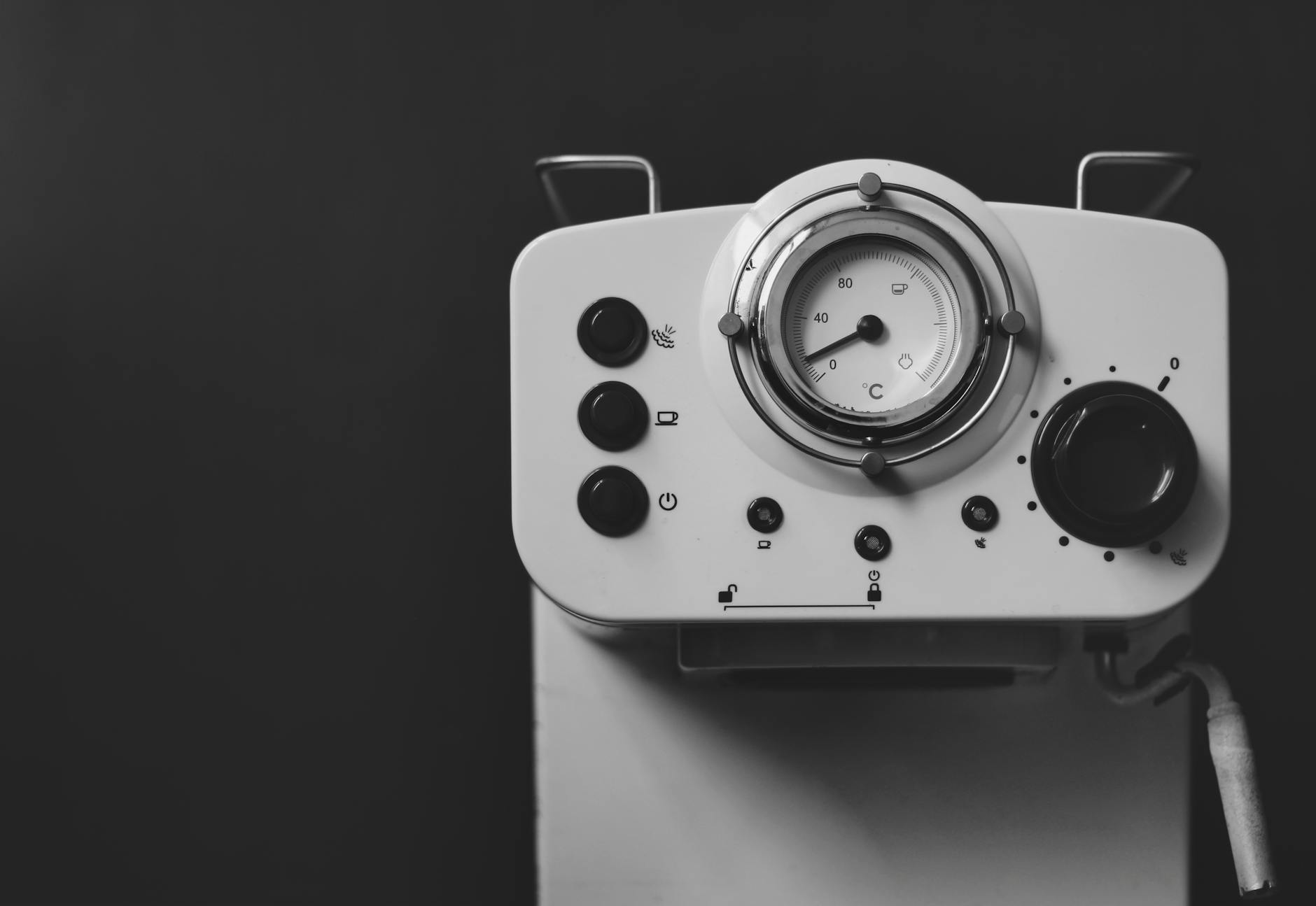
Mastering your Gaggia Classic: PID settings for dark vs. light roasts
Upgrading a Gaggia Classic with a PID (Proportional-Integral-Derivative) controller is one of the most significant improvements a home barista can make. This small device transforms the machine from a capable espresso maker into a precision instrument, offering incredible temperature stability. However, with great power comes the need for great knowledge. Simply setting the PID to one temperature and forgetting it means you’re missing out on its true potential. The key to unlocking exceptional espresso lies in adjusting your brew temperature to suit your coffee beans, specifically their roast level. This guide will delve into the why and how of tailoring your Gaggia Classic PID settings for both light and dark roast coffees, helping you move beyond generic recipes and start pulling truly spectacular shots.
Why brew temperature matters for different roasts
To understand why we need different temperatures, we must first understand a little about coffee extraction. Brewing espresso is the process of using hot, pressurized water to dissolve soluble flavor compounds from ground coffee. The roast level of the bean dramatically changes its physical and chemical structure, which directly impacts how easily these flavors are extracted.
Light roast beans are roasted for a shorter time. They are denser, less porous, and retain more of their complex, delicate acids and floral or fruity notes. Because they are less soluble, they require more energy to extract their flavors properly. Using a higher brew temperature provides this energy, helping to break down the cellular structure and pull out those desirable sweet and acidic compounds. If you brew a light roast too cool, the water won’t have enough energy to perform a full extraction, resulting in a thin, sour, and underdeveloped shot that tastes grassy or lemony in an unpleasant way.
Conversely, dark roast beans are roasted longer, making them more brittle, porous, and significantly more soluble. The prolonged heat has already done much of the work of breaking down the bean’s structure. These beans have deep, rich notes of chocolate, nuts, and caramel, but are also more prone to tasting bitter or ashy if pushed too far. Using a lower brew temperature helps to gently extract these flavors without scorching them or dissolving too many of the bitter-tasting compounds. Brewing a dark roast too hot will result in rapid over-extraction, creating an intensely bitter, harsh, and hollow-tasting espresso.
Finding your starting point: General PID settings
The beauty of a PID is that it allows you to set and hold a precise temperature, eliminating the “temperature surfing” required with the stock Gaggia thermostat. Your main point of interaction will be the Set Value (SV), which is your target brew temperature. While every bean is different, we can establish reliable starting points based on the roast profile. These ranges serve as a fantastic baseline from which you can begin to fine-tune your shots by taste.
Before pulling a shot, always allow your machine and portafilter to fully heat up for at least 15-20 minutes. This ensures that the water temperature set on your PID is the temperature that actually hits the coffee puck. Below is a table of recommended starting temperatures for your Gaggia Classic PID.
| Roast level | Temperature range (°C) | Temperature range (°F) | Expected flavor profile |
|---|---|---|---|
| Light roast | 93°C – 96°C | 200°F – 205°F | Bright acidity, fruity, floral, complex. Higher temps bring out sweetness and tame sourness. |
| Medium roast | 90°C – 93°C | 195°F – 200°F | Balanced, sweet, notes of caramel and milk chocolate. A versatile middle-ground. |
| Dark roast | 88°C – 91°C | 190°F – 197°F | Rich, low acidity, notes of dark chocolate and nuts. Lower temps prevent bitterness and ashiness. |
The dialing-in process: Adjusting by taste
The table above provides an excellent starting point, but it’s not the final word. Coffee is an organic product, and variables like bean age, varietal, and processing method will influence the perfect temperature. This is where you, the barista, come in. The most important tool you have is your palate. The process of “dialing in” involves making small, methodical adjustments based on how your espresso tastes.
Here is a simple workflow to follow:
- Keep variables consistent. When adjusting temperature, don’t simultaneously change your dose (amount of coffee) or grind size. Change only one thing at a time to understand its effect.
- Start in the recommended range. Pick a temperature from the table that matches your roast. Pull a shot and taste it carefully.
- Identify the core taste. Is the primary unpleasant taste sour or bitter?
- If the shot is sour, weak, and lacks sweetness, it is likely under-extracted. Your water is not hot enough to pull out the good stuff. Increase your PID temperature by 1°C (or 2°F) and try again.
- If the shot is bitter, harsh, and drying, it is likely over-extracted. Your water is too hot and is dissolving too many unpleasant compounds. Decrease your PID temperature by 1°C (or 2°F) and try again.
- Repeat and refine. Continue this process of tasting and making small adjustments until you find the “sweet spot” where the espresso is balanced, rich, and showcases the best flavors of the bean.
Conclusion: Temperature as a creative tool
Installing a PID on your Gaggia Classic elevates it into a truly professional-grade machine, giving you precise control over one of the most critical variables in espresso brewing: temperature. As we’ve explored, this control is not about finding one perfect number, but about adapting to the specific needs of your coffee beans. Remember the core principle: light roasts are dense and need higher temperatures (93-96°C) to unlock their complex, bright flavors and avoid sourness. Dark roasts are more soluble and require lower temperatures (88-91°C) to extract their deep, rich notes without introducing bitterness. Use these ranges as your guide, but trust your palate as the ultimate judge. By tasting, adjusting, and experimenting, you can use your PID not just for consistency, but as a creative tool to get the absolute best out of every single bean.
 No products in the cart.