

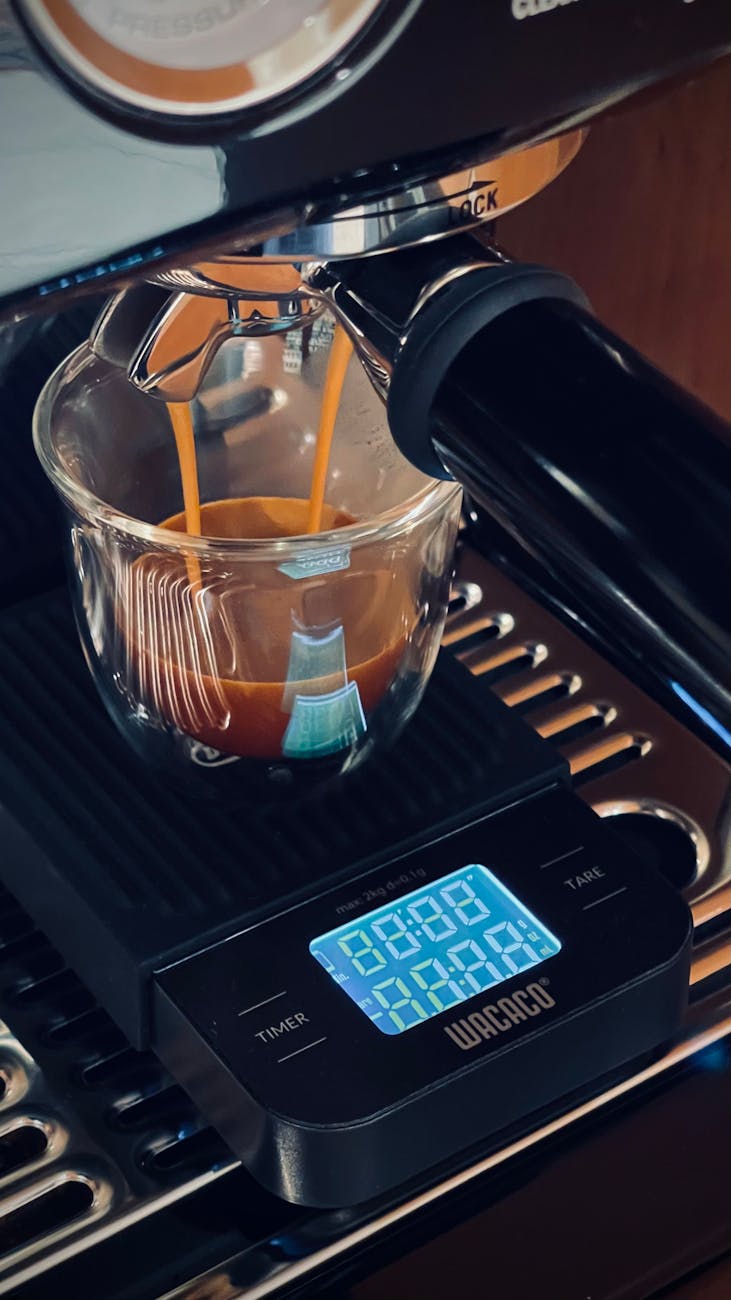
The quest for the perfect espresso shot has led to a fascinating array of tools and accessories, with the puck screen being one of the most popular in recent years. This simple metal disc, placed on top of the tamped coffee grounds, promises more even water distribution and a cleaner group head. However, its introduction into the brewing process raises a critical question for meticulous home baristas and professionals alike: does using a puck screen affect espresso brewing temperature? Temperature is a cornerstone of extraction, influencing which flavor compounds are dissolved from the coffee. Any significant alteration could fundamentally change the taste in the cup. This article will delve into the physics of heat transfer during brewing and explore whether this accessory helps or hinders thermal stability.
What is a puck screen and why do baristas use it?
At its core, a puck screen is a thin, reusable metal disc, typically made of stainless steel mesh or a solid plate with fine perforations. It is designed to sit directly on top of the tamped coffee puck inside the portafilter basket before brewing. Its rise in popularity stems from two primary benefits that directly address common espresso-making challenges.
Firstly, it promotes more even water distribution. When hot water is released from the group head, it can sometimes hit the coffee bed with enough force to create small fissures or disrupt the surface. The puck screen acts as a diffuser, absorbing the initial impact of the water and dispersing it gently and evenly across the entire surface of the coffee. This significantly reduces the likelihood of channeling, a phenomenon where water finds a path of least resistance through the puck, leading to uneven extraction—a shot that is simultaneously sour and bitter.
Secondly, it helps maintain a cleaner machine. By creating a barrier between the wet coffee grounds and the group head shower screen, the puck screen minimizes the amount of coffee oil and fine particles that get sucked back into the group head at the end of a shot. This results in less frequent deep cleaning and better long-term machine hygiene.
The physics of heat transfer in espresso brewing
To understand how a puck screen might influence temperature, we first need to appreciate the thermal dynamics at play during an espresso shot. The water in your espresso machine’s boiler is heated to a specific, stable temperature. When you start the brew cycle, this water travels through the group head and is forced through the coffee puck. The goal is to maintain a stable water temperature as it comes into contact with the coffee grounds, as temperature fluctuations of even a degree or two can noticeably impact flavor.
This is where the concept of thermal mass becomes crucial. Every object in the brew path—the metal group head, the portafilter, the basket, and now, the puck screen—has a thermal mass. This means it can absorb and store heat energy. A key reason baristas preheat their portafilters is to ensure they don’t act as a “heat sink,” robbing the brew water of its heat. The puck screen, being a piece of metal, is no different. When relatively cool, it will inevitably absorb some thermal energy from the first rush of hot water that hits it.
How a puck screen can alter brew temperature
Given its thermal mass, a puck screen absolutely can affect brew temperature, but the extent of this effect is entirely dependent on how you use it. If you take a room-temperature puck screen and place it on your coffee puck just before brewing, it will act as a heat sink. The initial volume of water will lose a small amount of heat as it works to bring the metal screen up to its temperature. This can result in a slight, temporary drop in the temperature of the water that first saturates the coffee grounds. For lighter roasts, which require higher temperatures for proper extraction, this initial dip could lead to under-extraction and increased sourness.
Fortunately, the solution is simple and effective: preheating the puck screen. The impact on temperature is almost entirely negated if the screen is hot before the shot begins. The most common practice is to place the puck screen in the empty portafilter basket and lock it into the preheated group head for 10-20 seconds. Alternatively, running a quick water flush over it will also work. By preheating it, you ensure the screen is already at or very near the target brew temperature. When the brew water arrives, the screen no longer needs to absorb significant heat, allowing for a much more stable thermal environment for the coffee puck below.
Practical testing and results
While precise measurements require specialized equipment like a Scace device, the general principle has been widely observed and documented by the espresso community. The data below illustrates the potential impact of a puck screen under different conditions. The temperatures are estimates meant to demonstrate the concept, not serve as absolute values, as they will vary by machine.
| Brewing Scenario | Group Head Water Temp | Estimated Temp at Puck Surface | Notes |
|---|---|---|---|
| No Puck Screen | 93°C (199.4°F) | 92.5°C (198.5°F) | A minor, expected temperature loss from the group head to the coffee. This is the baseline. |
| Cold Puck Screen Used | 93°C (199.4°F) | 90-91°C (194-195.8°F) | The cold metal screen absorbs heat, causing a noticeable initial temperature drop. This can negatively impact extraction. |
| Preheated Puck Screen Used | 93°C (199.4°F) | 92.5°C (198.5°F) | The preheated screen is thermally stable, resulting in a negligible effect on brew temperature, similar to using no screen at all. |
As the table shows, the key variable isn’t the presence of the puck screen itself, but its temperature before brewing. A cold screen introduces thermal instability, while a preheated one preserves it.
In conclusion, the answer to whether a puck screen affects espresso brewing temperature is a nuanced yes. It certainly can introduce a variable that lowers the initial temperature of the water hitting the coffee. This effect is caused by the screen’s thermal mass absorbing heat, and it is most pronounced when the screen is used cold from room temperature. However, this potential negative is easily and completely overcome with a simple procedural adjustment: preheating. By taking a few moments to heat the puck screen in the portafilter before dosing and tamping, you eliminate its role as a heat sink. When properly preheated, a puck screen’s effect on temperature becomes negligible, allowing you to enjoy all its benefits—like reduced channeling and a cleaner machine—without compromising the thermal stability crucial for a delicious and consistent extraction.

 No products in the cart.