

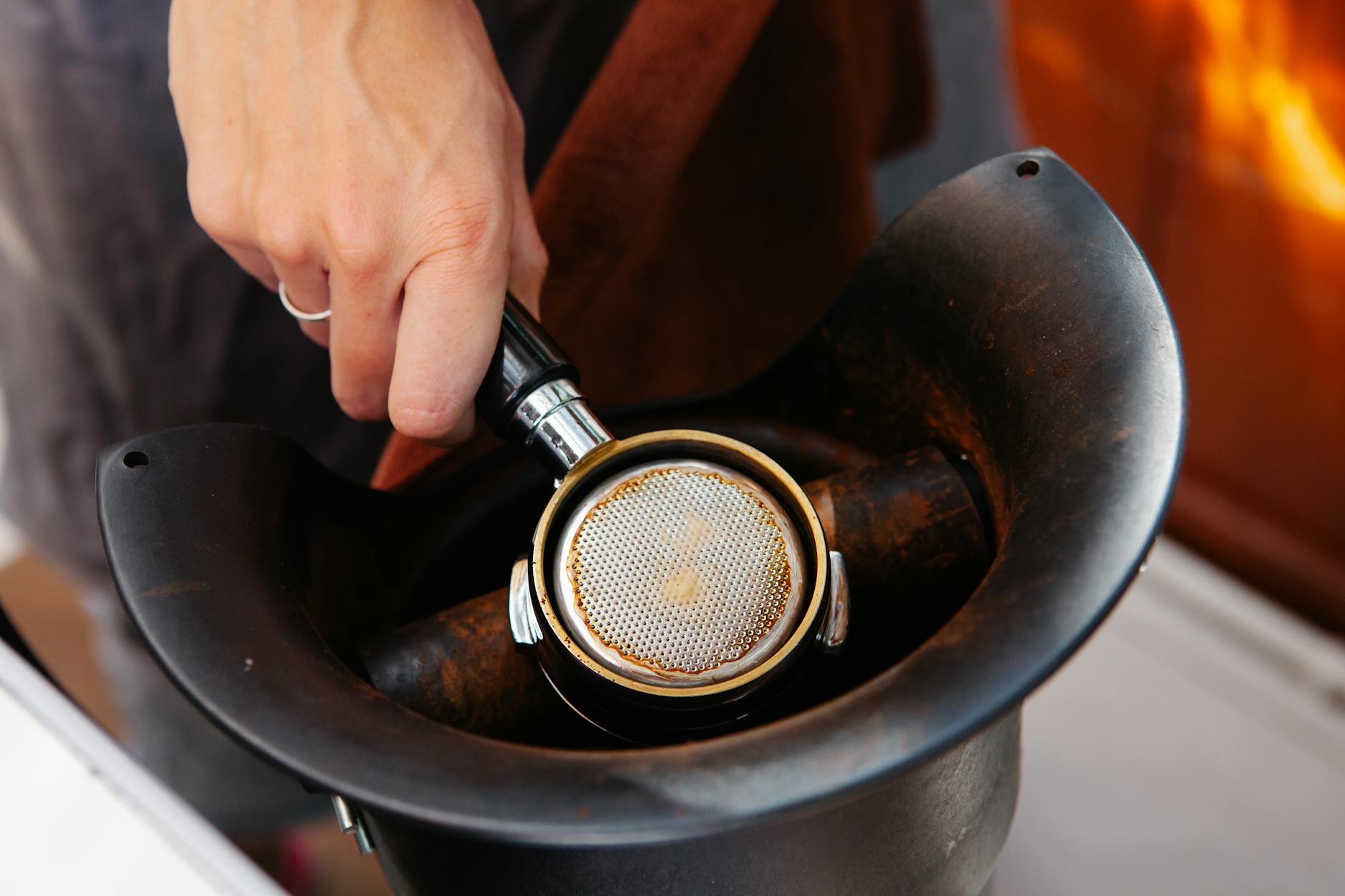
How to dial in a new roast on a manual espresso maker
There’s a unique excitement that comes with opening a new bag of specialty coffee beans. The aroma promises new flavors and a unique experience. However, for the owner of a manual espresso maker, this excitement is paired with a challenge: dialing in the new roast. Unlike automatic machines, manual devices give you complete control, which means every variable is in your hands. This can be daunting, but it’s also incredibly rewarding. This guide will walk you through a systematic process for taming any new coffee bean. We will cover the essential variables you can manipulate, how to establish a starting point, and the iterative process of tasting and adjusting to pull that perfect, delicious shot of espresso.
Understanding the variables you can control
The beauty of a manual espresso maker, whether it’s a Flair, Robot, or La Pavoni, is the direct feedback and control it offers. To dial in a new roast, you first need to understand the levers you can pull. Your goal is to create a recipe where these elements work in harmony to extract the best flavors from your coffee. The primary variables are:
- Dose: This is the weight of your ground coffee in grams. It’s the foundation of your recipe and impacts the shot’s strength and overall character. It’s best to keep this consistent while you adjust other variables.
- Grind size: Perhaps the most critical adjustment you’ll make. A finer grind creates more resistance for the water, slowing down the extraction. A coarser grind does the opposite. This single variable has a massive impact on whether your shot is sour, bitter, or balanced.
- Yield: This is the weight of the liquid espresso in your cup. The relationship between your dose and yield is called the brew ratio. A standard 1:2 ratio (e.g., 18g of coffee in, 36g of espresso out) is a great starting point.
- Water temperature: Different roasts shine at different temperatures. Lighter roasts often require hotter water (around 94-96°C) to properly extract their delicate, acidic notes. Darker roasts are more soluble and can benefit from slightly cooler water (around 90-93°C) to avoid pulling out harsh, bitter flavors.
- Pressure profile: This is the signature of manual espresso. You control the pressure applied to the lever throughout the shot. This includes a low-pressure pre-infusion to saturate the coffee puck, followed by the main extraction phase, which is typically between 6 and 9 bars of pressure.
Establishing a baseline recipe
Before you can adjust, you need a starting point. The biggest mistake home baristas make is changing multiple variables at once. This creates confusion and makes it impossible to know what change had what effect. The key is to be methodical: only change one variable at a time. We’ll start by locking in our dose, yield, and temperature to create a baseline, then use grind size as our primary tool for dialing in.
Here is a classic, reliable baseline recipe to start with:
- Dose: 18 grams (or the recommended dose for your filter basket).
- Yield: 36 grams (for a 1:2 brew ratio).
- Temperature: 93°C (200°F), a great middle-ground temperature.
- Time: Aim for a total shot time of 25-35 seconds, including pre-infusion. This is a target, not a rule. Taste is the ultimate judge.
Use a scale to weigh your dose and yield precisely. Pull your first shot using this recipe and record your results. A simple log can be incredibly helpful. It doesn’t need to be complicated; just track the key data points so you can see the effect of your changes.
| Shot # | Dose (g) | Grind Setting | Yield (g) | Time (s) | Taste Notes |
|---|---|---|---|---|---|
| 1 | 18 | 10 | 36 | 19 | Very fast, watery, sour, acidic. Under-extracted. |
| 2 | 18 | 8 (Finer) | 36 | 28 | Much better. Balanced sweetness, good body. Slight lingering sourness. |
| 3 | 18 | 7 (Finer) | 36 | 34 | A little slow, slightly bitter finish. Over-extracted. Setting 8 was better. |
The tasting and adjustment process
Now that you’ve pulled your first shot, it’s time for the most important part: tasting. Your palate is your best tool. The goal is to identify the primary characteristic of the shot and use that information to make a logical adjustment. Espresso generally falls into one of three categories:
- Under-extracted (Sour): This is a sharp, aggressive, and unpleasant acidity, like biting into a lemon. The shot will often taste weak, salty, and have a thin body. This happens when the water passes through the coffee too quickly, failing to extract enough of the soluble sweet compounds. Your shot time will likely be very short (under 20-22 seconds). The fix for this is to grind finer. This will increase the resistance, slow the shot down, and give the water more time to extract flavor.
- Over-extracted (Bitter): This is a harsh, drying, and astringent taste, like burnt toast or dark baker’s chocolate. The shot might feel hollow and leave an unpleasant, lingering aftertaste. This occurs when the water spends too much time in contact with the coffee, pulling out undesirable bitter compounds. Your shot time will likely be very long (over 35-40 seconds). The fix for this is to grind coarser. This will reduce resistance and allow the shot to flow faster.
- Balanced (The Goal): This is the sweet spot. A balanced shot has a pleasant sweetness, a vibrant but not sour acidity, minimal bitterness, and a rich, full body. The specific flavor notes—chocolate, fruit, nuts, caramel—will shine through. When you reach this point, you are very close to being dialed in.
After your first shot, identify if it’s primarily sour or bitter. Based on your assessment, make a single, small adjustment to your grinder and pull another shot, keeping every other variable identical. Repeat this process until the dominant sour or bitter notes disappear and you have a balanced, tasty shot.
Fine-tuning with advanced variables
Once you’ve achieved a balanced shot by adjusting your grind size, you can start to experiment with the other variables to perfect the extraction. This is where you move from “good” to “exceptional.”
First, consider your brew ratio. While 1:2 is a great standard, it’s not always perfect for every bean. If your balanced shot feels a little thin or weak, try a tighter ratio like 1:1.8 (e.g., 18g in, 32g out). This can increase the body and texture. Conversely, if the shot is too intense or syrupy, try a longer ratio like 1:2.2 (e.g., 18g in, 40g out) to open it up and reveal more clarity.
Next, play with water temperature. If you have a light roast that still has a hint of sourness even with a good shot time, increasing the temperature by a degree or two can help extract more of its sweetness. For a dark roast that has a bit of lingering bitterness, dropping the temperature can smooth it out and reduce harshness.
Finally, explore pressure profiling. A long, low-pressure pre-infusion (e.g., 10-15 seconds at 2 bars) can help fully saturate the coffee puck, which can lead to a more even extraction and allow you to grind even finer without choking the machine. You can also try a declining pressure profile, starting at 9 bars and gradually lowering the pressure towards the end of the shot to reduce the extraction of bitter compounds.
Conclusion
Dialing in a new roast on a manual espresso maker is a journey of precision and sensory feedback. It’s a skill that transforms coffee making from a simple routine into a deliberate craft. The process, when approached systematically, is straightforward. Start by understanding your key variables: dose, grind, yield, temperature, and pressure. Establish a firm baseline recipe and commit to changing only one variable at a time, using grind size as your primary tool. Let your palate be your guide—taste for sourness or bitterness, and adjust accordingly to find that sweet, balanced middle ground. Once you’re in the ballpark, you can fine-tune with ratio and temperature to unlock the bean’s full potential. Embrace the process; it is the most rewarding part of owning a manual machine.
 No products in the cart.