

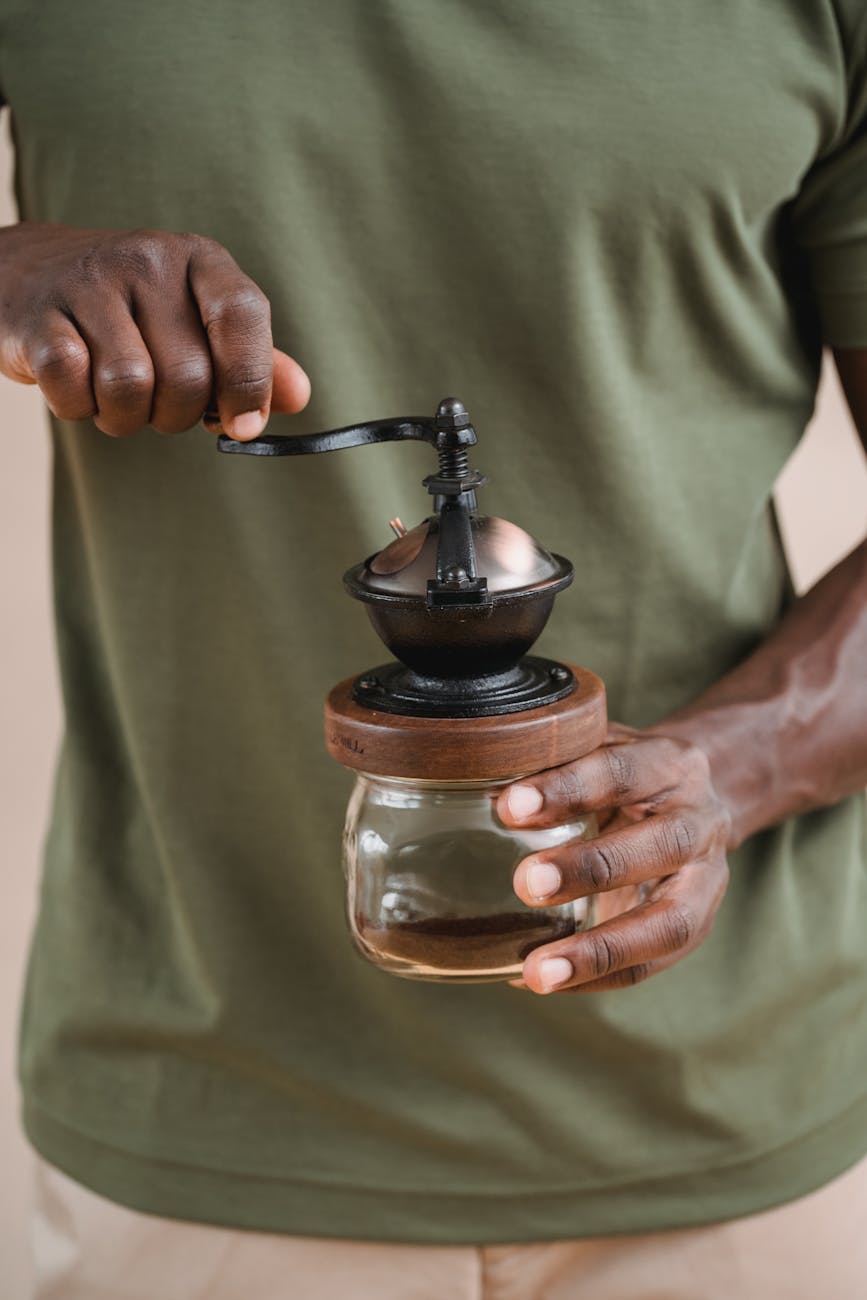
The allure of a manual lever espresso machine is undeniable. It represents a return to the craft of coffee making, placing the barista in complete control of every variable. From pre-infusion to pressure profiling, every movement directly influences the final shot. However, this intricate dance of mechanics and intuition is built upon a single, crucial foundation: the quality of the coffee grind. Without a precise and consistent grind, the control offered by a lever machine becomes an exercise in frustration. This article will delve into why a high-quality grinder isn’t just a recommended accessory for your manual lever machine; it is the most critical component for unlocking its true potential and achieving espresso excellence right in your own kitchen.
Why lever machines demand a superior grind
Unlike their semi-automatic counterparts that use a pump to deliver a constant, unwavering pressure (typically 9 bars), manual lever machines are entirely dependent on the user. The pressure you apply to the lever is not constant; it naturally declines as you pull the shot. This gentle, diminishing pressure profile is what gives lever espresso its characteristic syrupy body and nuanced flavor. However, this process is incredibly sensitive. The coffee puck itself must provide the correct resistance to this pressure. If the grind is inconsistent, with a mix of large particles (boulders) and fine dust (fines), water will exploit the path of least resistance. This phenomenon, known as channeling, results in a shot that is simultaneously sour and bitter, completely missing the mark. A high-quality grinder creates a uniform bed of coffee that promotes an even, controlled extraction, allowing the lever’s unique pressure profile to work its magic.
The anatomy of a perfect espresso grind
So, what exactly makes a grind “high-quality”? It boils down to two essential characteristics: consistency and adjustability. Grind consistency refers to the uniformity of the coffee particles. A great grinder produces grounds that are all very close to the same size. This is vital for ensuring that water flows evenly through the entire coffee puck, extracting flavor compounds at the same rate. When you have a mix of sizes, the small particles over-extract (adding bitterness) while the large ones under-extract (adding sourness), creating a muddled and unbalanced cup.
Equally important is adjustability. Dialing in a shot on a lever machine requires making tiny, incremental changes to the grind size. A grinder with large, pre-defined “steps” might have one setting that chokes the machine and the very next setting that produces a watery gusher. A grinder with stepless or micro-stepped adjustment allows you to make minute changes, giving you the precision needed to perfectly balance the resistance of the puck with the pressure you apply, thereby controlling the flow rate and extraction time with absolute accuracy.
From workflow frustration to flavor clarity
The impact of a grinder extends beyond the coffee puck and directly into your daily routine and the final taste in your cup. A subpar grinder often suffers from high retention, meaning a significant amount of old coffee grounds are left inside after each use. This stale coffee will contaminate your next shot, muddying the flavor profile of your fresh, expensive beans. A high-quality, low-retention grinder ensures that the coffee you grind is the coffee you brew, leading to vibrant and clear flavors.
The workflow is also dramatically improved. The process of dialing in a new coffee on a lever machine can be challenging. A precise, easy-to-adjust grinder makes this process a pleasure rather than a chore. When you can trust your grinder to make a specific, repeatable change, you can focus on mastering your technique with the lever. This synergy between user skill and equipment capability is where exceptional espresso is born. The grinder provides the consistent foundation, allowing your manual input to create a balanced, sweet, and complex shot that truly expresses the character of the bean.
Choosing your grinder: Key considerations
When selecting a grinder to pair with your manual lever machine, a few key features should be at the top of your list. Look for grinders with large, high-quality burrs, either flat or conical, as they tend to produce a more consistent grind with fewer fines. A stepless adjustment mechanism is highly preferable for the reasons mentioned earlier. For many lever enthusiasts, the experience is about being hands-on, making high-end manual hand grinders an excellent and popular choice. They offer exceptional grind quality and zero retention in a compact, quiet package. Alternatively, electric single-dosing grinders provide convenience without sacrificing precision.
Here’s a simple breakdown of what to look for:
| Feature | Why it matters for lever espresso | What to look for |
|---|---|---|
| Burr type and size | Larger burrs generally produce a more consistent grind at a faster rate with less heat. | Conical or flat burrs, typically 40mm and above. Steel is the standard for quality. |
| Adjustment mechanism | Allows for the tiny changes needed to dial in the perfect shot resistance for a dynamic pressure profile. | Stepless is ideal. Micro-stepped with many settings is a good alternative. |
| Grind retention | Low or zero retention ensures you are always brewing with fresh coffee, not stale grounds from a previous shot. | Look for “single-dosing” grinders or designs with a direct grind path. |
| Build quality | Ensures alignment and stability, which are critical for consistent particle size. | Solid metal construction, tight tolerances, and a stable base. |
Investing in a grinder with these qualities will ensure it can meet the rigorous demands of your lever machine for years to come.
Conclusion
In the world of manual lever espresso, the grinder is not merely a preparatory tool; it is your primary partner in the pursuit of the perfect shot. The control and tactile feedback of a lever machine are only as good as the coffee puck you prepare, and that puck’s quality is dictated almost entirely by your grinder. A high-quality grinder provides the essential consistency and precision that allows you to manage variables like flow rate and extraction time effectively. By prioritizing grind uniformity and fine-grained adjustability, you empower yourself to unlock the nuanced, textured, and deeply satisfying espresso that lever machines are famous for. Ultimately, skimping on the grinder is like putting economy tires on a performance sports car—you’ll never get to experience what it can truly do.
 No products in the cart.