

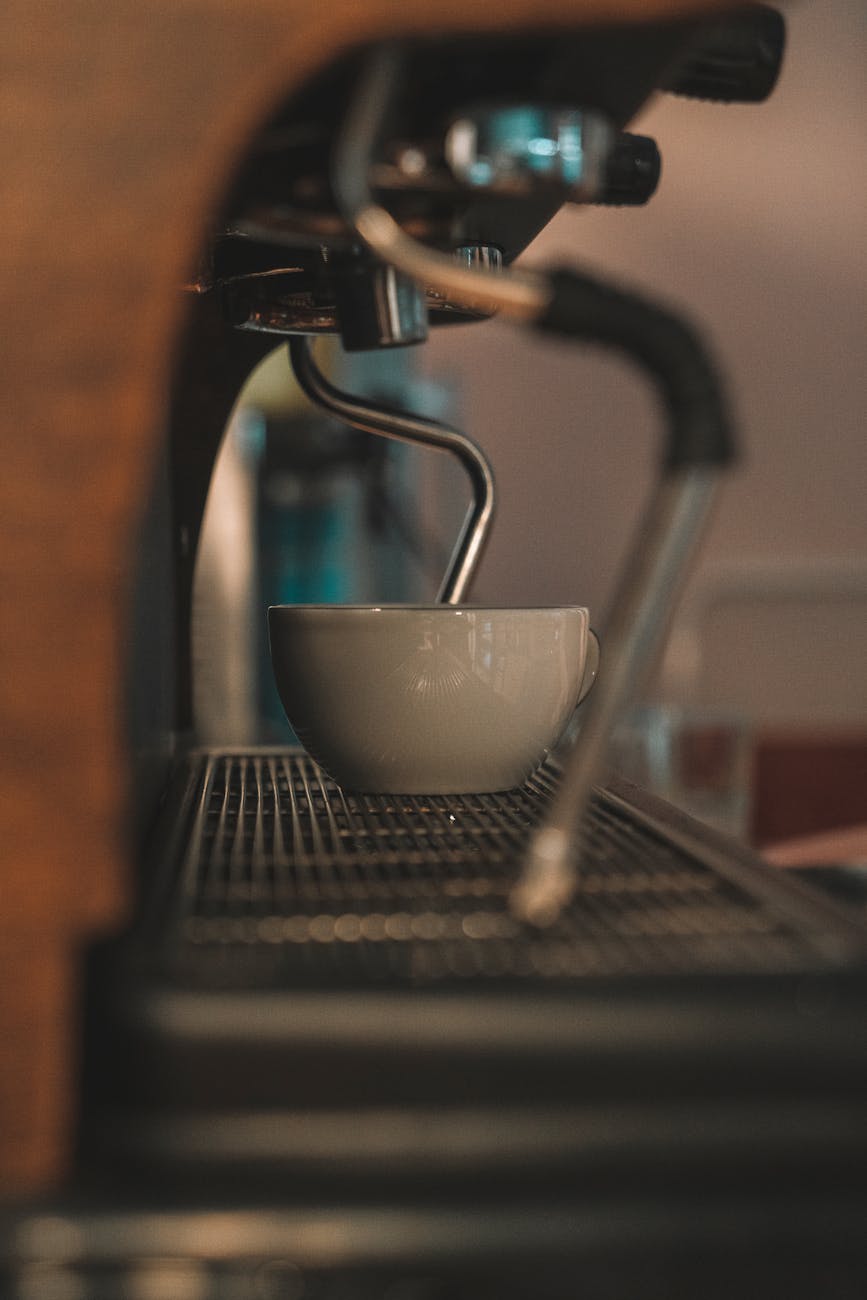
Mastering the rush: How to streamline your workflow for back-to-back manual espresso shots
There’s a special kind of pressure that builds when you have guests over, and everyone suddenly wants an espresso, a latte, or a cappuccino. Your home café transforms into a bustling production line, and the manual process that felt meditative for one cup now feels chaotic. How do professional baristas handle the rush with such grace? The secret lies not in speed alone, but in a refined, repeatable workflow. This article will guide you through the art of streamlining your process for pulling back-to-back manual espresso shots. We’ll break down everything from initial preparation to the final cleanup, helping you develop a rhythm that ensures every single shot is as delicious and consistent as the last, without the stress.
Mise en place: The art of preparation
In the culinary world, “mise en place” means “everything in its place.” This concept is the absolute foundation of an efficient espresso workflow. Before you even think about grinding your first dose, your entire station should be prepared for the full service. A frantic search for a tamper or a clean cloth mid-flow is what kills momentum and consistency. Start by arranging your space logically.
- Gather your tools: Have your tamper, distribution tool (like a WDT tool), dosing funnel, and scale all within arm’s reach.
- Prepare your materials: Pre-weigh your coffee beans into individual containers for each shot. This single step eliminates the need to fiddle with a bag and scale between each espresso.
- Set the stage: Place your knock box right next to your machine for quick puck disposal. Have at least two clean, dry microfiber cloths ready: one for the portafilter basket and one for the steam wand.
- Thermal stability is key: Turn on your machine well in advance. Lock your portafilter into the group head so it heats up thoroughly. Run hot water through it and into your serving cups to preheat them. A cold portafilter or cup can drastically reduce the temperature of your espresso, resulting in a sour, under-extracted shot. Preparation isn’t just about convenience; it’s the first step to quality control.
The grind, dose, and prep cycle
With your station set, the next step is to master the core cycle of preparing your espresso puck. The goal is to make these actions second nature, a repeatable sequence that you can perform without conscious thought. This muscle memory frees up your mental energy to focus on the quality of the extraction itself. Your sequence should be: Grind, Dose, Distribute, Tamp. The key to pulling consecutive shots is to overlap this cycle with the extraction of the previous shot.
The moment you start pulling your first shot, you should immediately begin preparing for the second. This is the single most important time-saving technique. As espresso is dripping into the first cup, you should be grinding the beans for the next. Use a dosing funnel on your portafilter to catch all the grinds cleanly and efficiently. Once the grinds are in, a quick distribution with a WDT tool ensures an even density, which is crucial for preventing channeling and ensuring a balanced extraction. A firm, level tamp is the final step. By the time your first shot is finished, your second puck should be fully prepped and ready to go.
The shot pulling and steaming rhythm
This is where all the preparation comes together in a fluid “dance.” You’re no longer performing isolated tasks but are in a continuous loop of activity. The rhythm allows you to manage multiple tasks simultaneously without feeling overwhelmed. For example, if you are making lattes, the steam wand becomes another instrument in your orchestra. You can steam your milk for the first drink while the second shot is pulling.
Developing this rhythm takes practice. At first, it might feel clumsy, but focus on one overlapping task at a time. The most critical overlap is preparing the next puck while the current one is extracting. Once you master that, you can integrate milk steaming and other tasks. A visual representation of this workflow can make it easier to understand.
| Time/Action | Task for Shot 1 | Task for Shot 2 |
|---|---|---|
| 0-30 sec | Pulling Shot 1 | Grinding and Dosing |
| 30-45 sec | Shot 1 finished. Serve or start steaming milk. | Distributing and Tamping |
| 45-60 sec | Clean Portafilter 1 and purge group head. | Lock in Portafilter 2 and start shot. |
| 60-90 sec | Finish steaming/serving Drink 1. | Shot 2 is pulling. Begin prep for Shot 3. |
This table illustrates how tasks overlap, turning a linear, stop-and-start process into a continuous, efficient flow.
Clean as you go: The secret to speed and longevity
A messy workspace is an inefficient workspace. Failing to clean between shots not only slows you down but also negatively impacts the flavor of your coffee and the health of your machine. Integrating cleaning into your workflow is non-negotiable for both quality and speed. This isn’t about a deep clean after every session, but a series of micro-cleaning habits that take only a second or two each.
Here is your immediate post-shot cleaning checklist:
- Knock and wipe: As soon as you remove the portafilter, immediately knock the used puck into your knock box. Use a dedicated dry cloth to wipe out any residual moisture and grounds from the basket. A clean, dry basket is essential for the next shot.
- Purge the group head: Before locking in the next portafilter, run the group head for 2-3 seconds. This flush clears out any stray coffee grounds from the shower screen, preventing them from adding a bitter, over-extracted flavor to your next espresso.
- Wipe the steam wand: If you’re steaming milk, wipe the steam wand with a damp cloth immediately after you finish. Purge it for a second to clear any milk from the inside. Dried, cooked-on milk is difficult to clean and can harbor bacteria.
These small habits prevent flavor contamination between shots and significantly reduce the amount of deep cleaning your machine will need over time.
Conclusion: From chaos to consistency
Transitioning from a chaotic, one-at-a-time approach to a streamlined, multi-shot workflow is a game-changer for any home barista. By embracing the principle of mise en place, you set the stage for success before the first bean is even ground. Mastering a consistent puck preparation cycle—grind, dose, distribute, tamp—and learning to overlap it with your shot extraction is the core of this efficiency. This creates a fluid rhythm that allows you to pull shot after shot with confidence. Finally, integrating a “clean as you go” mentality ensures that your quality never falters and your equipment stays in top condition. With practice, this workflow will become second nature, transforming a stressful rush into an enjoyable performance that produces consistently delicious espresso for everyone.

 No products in the cart.