

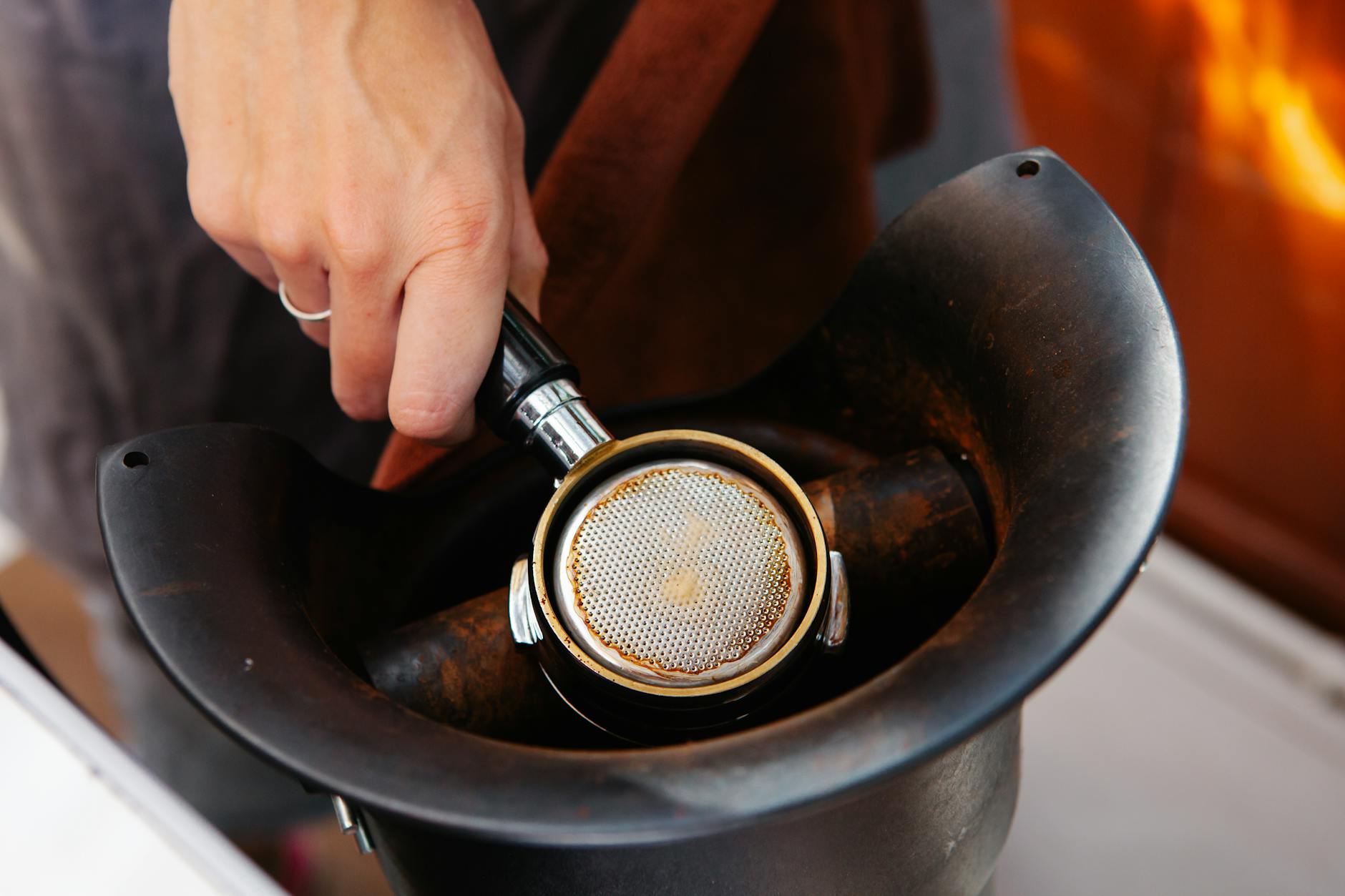
The allure of a manual espresso machine lies in the tactile control it offers, transforming the barista into an integral part of the brewing process. However, this control comes with a responsibility to manage one of the most critical variables for delicious espresso: temperature stability. A machine’s group head, a hefty piece of metal, possesses significant thermal mass that directly influences the final taste in your cup. An improperly heated group can turn a potentially perfect shot into a sour or bitter disappointment. This article will guide you through the essential techniques of preconditioning your manual espresso group, ensuring its thermal mass works for you, not against you, leading to consistently excellent shots every single time.
Understanding thermal mass and its impact on espresso
In the world of espresso, thermal mass refers to the ability of a component, primarily the group head, to absorb, store, and maintain heat. In manual and lever machines, the group head is often a large, heavy chunk of brass or stainless steel. Think of it as a thermal battery. When the machine is warming up, this “battery” needs to be fully charged with heat. If you pull a shot with a cold or lukewarm group head, the metal will act as a heat sink, rapidly leeching heat from the brew water as it passes through.
This temperature drop is catastrophic for extraction. Water that is too cool will fail to properly dissolve the coffee solids, resulting in a thin, sour, and acidic shot—a classic sign of under-extraction. Conversely, on some machine designs, the group can become too hot, scalding the coffee grounds and leading to an over-extracted shot that is harsh, bitter, and astringent. Mastering the temperature of this critical component is the first step toward unlocking the full potential of your machine and your coffee beans.
The art of the pre-shot flush
The primary method for managing your group’s temperature is the pre-shot flush, sometimes called a warming or cooling flush. This is the simple act of running water through the group head before you’ve locked in your portafilter with coffee. This process is not just for cleaning; it is a deliberate act of thermal management. By flushing water from the boiler through the group, you are actively transferring heat and bringing the metal up to your desired brewing temperature.
The technique can vary, but a common approach involves a series of short flushes or half-pulls of the lever. This introduces hot water into the group’s internal pathways, gradually heating the entire assembly. For many machines, locking in a blank or “dummy” portafilter after a flush can further stabilize the temperature, as the hot metal of the portafilter contributes to the overall thermal stability. The goal is to create a stable, predictable temperature environment for the water that will eventually brew your coffee, eliminating temperature as a wild variable.
Tailoring your preconditioning routine
There is no single, universal preconditioning routine; the right technique depends entirely on your specific machine, your environment, and even your coffee. It’s crucial to understand your machine’s design to develop an effective workflow.
- Dipper-fed levers: Machines like the La Pavoni Europiccola have the group head bolted directly to the boiler. They tend to overheat with prolonged idle time. For these, the flush is often a cooling flush, meant to bleed off excess heat and bring the group temperature down to an optimal range.
- Heat-exchanger levers: Machines like the Bezzera Strega use a heat exchanger to heat brew water. These often require a warming flush to bring a cool group up to temperature, as the group is more isolated from the main boiler.
- Environmental factors: A machine in a cold garage will require a more extensive warming routine than one in a warm kitchen. Pay attention to how long the machine has been on; a machine that has been on for 20 minutes will need less preheating than one that has been on for 10.
Even the coffee you use matters. Lighter roasts generally benefit from a higher brewing temperature, which may require a more aggressive preheating routine to ensure the group is sufficiently hot.
Tools and techniques for consistency
While you can learn to judge group temperature by feel (carefully touching the side of the group), using tools can transform your guesswork into a repeatable science. An aftermarket group head thermometer is one of the best investments a manual espresso enthusiast can make. These devices provide a real-time digital readout of your group’s surface temperature, giving you precise data to build your routine around.
With a thermometer, you can establish a target temperature and create a consistent flushing routine to hit it every time. For example, you might learn that three 5-second flushes bring your group to a perfect 92°C. This creates a reliable workflow that eliminates one of the biggest variables in manual espresso, allowing you to focus on grind size and puck prep. Below is a comparison of common techniques.
| Preconditioning method | Description | Best for | Pros | Cons |
|---|---|---|---|---|
| Warming flush | Pulling short bursts of water through an empty group head. | Machines where the group runs cool (e.g., heat-exchanger levers). | Precise control over heat addition. | Can waste water; requires timing for consistency. |
| Cooling flush | A longer flush to expel overheated water from the group. | Machines where the group is attached to the boiler (e.g., dippers). | Essential for preventing over-extraction on some machines. | Easy to over-cool the group if not careful. |
| Portafilter lock-in | Locking the portafilter into the group for several minutes before the shot. | All machine types, used for stabilizing temperature. | Heats the portafilter and group simultaneously. | Slower method; may not be enough on its own. |
| Dummy shot | Pulling a full shot of water through a blank portafilter basket. | Aggressively heating a very cold group. | Quickly brings the entire brew path to temperature. | Uses a significant amount of water. |
Ultimately, achieving mastery over your manual espresso machine requires a deep understanding of its thermal behavior. By treating the group head as a thermal battery that must be properly charged, you move from simply pulling shots to engineering them. The process begins with understanding the concept of thermal mass and its direct effect on extraction. From there, you develop a flushing routine—whether for warming or cooling—that is specifically tailored to your machine’s design and your brewing goals. By incorporating tools like a group head thermometer and building a repeatable workflow, you eliminate temperature swings as a source of frustration. This consistent preconditioning is the key to unlocking rich, balanced, and delicious espresso, shot after shot.
 No products in the cart.