

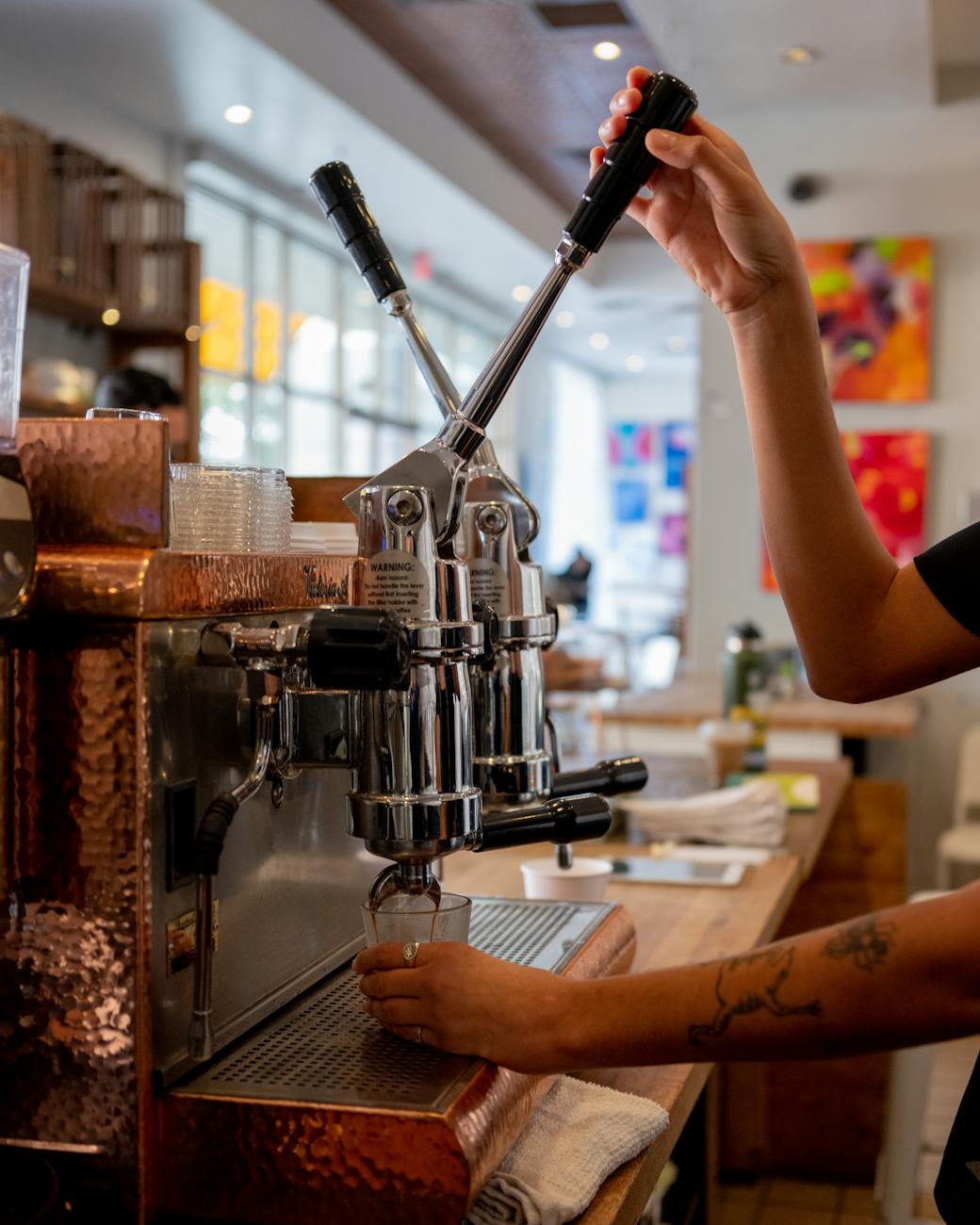
Mastering temperature stability on manual lever espresso machines
The allure of a manual lever espresso machine is undeniable. The gleaming chrome, the satisfying pull of the lever, and the direct, tactile connection to the brewing process offer a unique experience for any coffee enthusiast. However, this hands-on approach comes with a significant challenge: managing temperature. Unlike their semi-automatic counterparts with their PID controllers and stable thermoblocks, a lever machine is a dynamic thermal system that you, the barista, must control. This article is your guide to mastering that system. We will explore the fundamental principles of heat in a lever machine, establish a consistent pre-heating ritual, and learn how to adjust your technique to get the very best extraction from any coffee bean, transforming potential frustration into delicious, repeatable results.
Understanding the thermal heart of your machine
Before you can control the temperature, you must understand where the heat comes from and where it goes. In a manual lever machine, the most critical components in the thermal equation are the boiler, the grouphead, and the portafilter. The boiler provides the initial source of hot water and steam, but it’s the massive, often brass, grouphead that dictates the final brew temperature.
Think of the grouphead as a thermal battery. Its primary job is to absorb heat from the boiler and stabilize it, then transfer that heat to the brew water as it passes through on its way to the coffee puck. If the grouphead is too cold, it will steal heat from the water, resulting in a low brew temperature and a sour, under-extracted shot. If it’s too hot, it will superheat the water, leading to a bitter, over-extracted shot. Your goal is to get this chunk of metal to the perfect temperature before you pull your shot.
Different machine designs have different thermal characteristics. For example, a dipper-style machine (like many classic La Pavoni models) draws water directly from the top of the boiler into the group, making it more susceptible to overheating. An open-boiler design (like a Flair or Robot) separates the brew chamber from the heat source, giving you more direct control but also requiring you to pre-heat it meticulously.
The pre-heating ritual: Setting the stage for success
Consistency in espresso comes from a consistent workflow. For a lever machine, the most important part of that workflow is the pre-heating ritual. Simply turning the machine on and waiting is not enough; the grouphead and portafilter must be brought up to a stable, appropriate temperature. Skipping this will almost guarantee poor results.
Here is a foundational pre-heating routine that you can adapt to your specific machine:
- Warm up the machine: Turn your machine on at least 15-20 minutes before you plan to brew. This allows the boiler to come to pressure and for heat to begin saturating the grouphead.
- Lock in the portafilter: Keep your portafilter locked into the grouphead during warm-up. This ensures it heats up at the same rate as the group. A cold portafilter can drastically lower your brew temperature.
- Perform warming flushes: Once the machine indicates it’s ready, raise the lever to draw water into the group, then lower it to flush that water through (without coffee). This “warming flush” forces hot water through the system, accelerating the heating of the grouphead. You may need one, two, or even three flushes depending on your machine’s design and the ambient room temperature.
- Feel for readiness: A common technique is to carefully touch the grouphead (be cautious!). You should be able to hold your hand on it for a few seconds but not much longer. This tactile feedback is invaluable for building intuition.
Developing a repeatable pre-heating ritual is the single most effective thing you can do to achieve shot-to-shot consistency.
Adapting your temperature for different coffee roasts
Once you have a baseline for pre-heating, you can begin to manipulate temperature to suit the specific coffee you are brewing. Not all beans are the same; lighter roasts are denser and require more thermal energy to extract their complex flavors, while darker roasts are more porous and can easily become bitter if brewed too hot.
This is where the true artistry of using a lever machine comes into play. You can steer the temperature up or down by adjusting your pre-heating routine. For a light roast, you’ll want to maximize the grouphead temperature to bring out those bright, floral, or fruity notes. This might mean adding an extra warming flush or waiting a bit longer after the machine comes to pressure. For a dark roast, you want to avoid extracting ashy or overly bitter compounds. You can achieve this with a shorter pre-heating routine, fewer warming flushes, or even by performing a “cooling flush” by pulling a blank shot to slightly lower the group’s temperature before pulling your actual shot.
| Roast level | Target brew temperature (°C) | Target brew temperature (°F) | Management technique |
|---|---|---|---|
| Light | 93-96°C | 200-205°F | Maximize group heat; use multiple warming flushes or a longer pre-heat. |
| Medium | 90-94°C | 195-202°F | Follow your standard, consistent pre-heating routine. |
| Dark | 88-92°C | 190-198°F | Use a shorter pre-heat or perform a cooling flush before your shot. |
Reading the signs and managing heat between shots
Mastery comes from moving beyond a script and learning to react to your machine in real time. This is especially important when pulling multiple shots back-to-back, as the grouphead will continue to absorb heat and can easily overheat.
Learning to “read” your machine is a sensory process. How does the grouphead feel to the touch? How does the first drop of espresso look as it emerges from the portafilter? Is it syrupy and rich, or does it gush out thin and watery? Most importantly, how does it taste? A consistently sour taste points to a temperature that is too low, while overwhelming bitterness often indicates a temperature that is too high.
If you find your grouphead is getting too hot during a session, you have several options to cool it down:
- A wet towel: The simplest method is to wrap a cool, damp cloth around the grouphead for 15-30 seconds.
- Cooling the portafilter: Briefly running the portafilter under a cool tap before dosing your coffee can help sink some heat out of the group when you lock it in.
- Heat sink fins: Many popular machines have third-party accessories, like brass or aluminum fins, that can be attached to the grouphead to help it dissipate heat more effectively.
By combining a consistent routine with active observation, you can develop an intuition for your machine’s thermal behavior, allowing you to make small adjustments on the fly to keep every shot in the delicious sweet spot.
Conclusion
The journey to mastering a manual lever espresso machine is one of patience, observation, and practice. While the lack of automated temperature control can seem daunting, it is also the machine’s greatest strength, offering you unparalleled influence over the final taste in your cup. By understanding the core thermal dynamics of your machine, you can stop guessing and start brewing with intention. Establishing a consistent pre-heating ritual provides the stable foundation necessary for repeatable results. From there, you can learn to adapt your technique for different coffees and manage heat between shots. This hands-on process is what makes brewing with a lever machine so incredibly rewarding, transforming your daily coffee routine into a craft you can continually perfect.

 No products in the cart.