

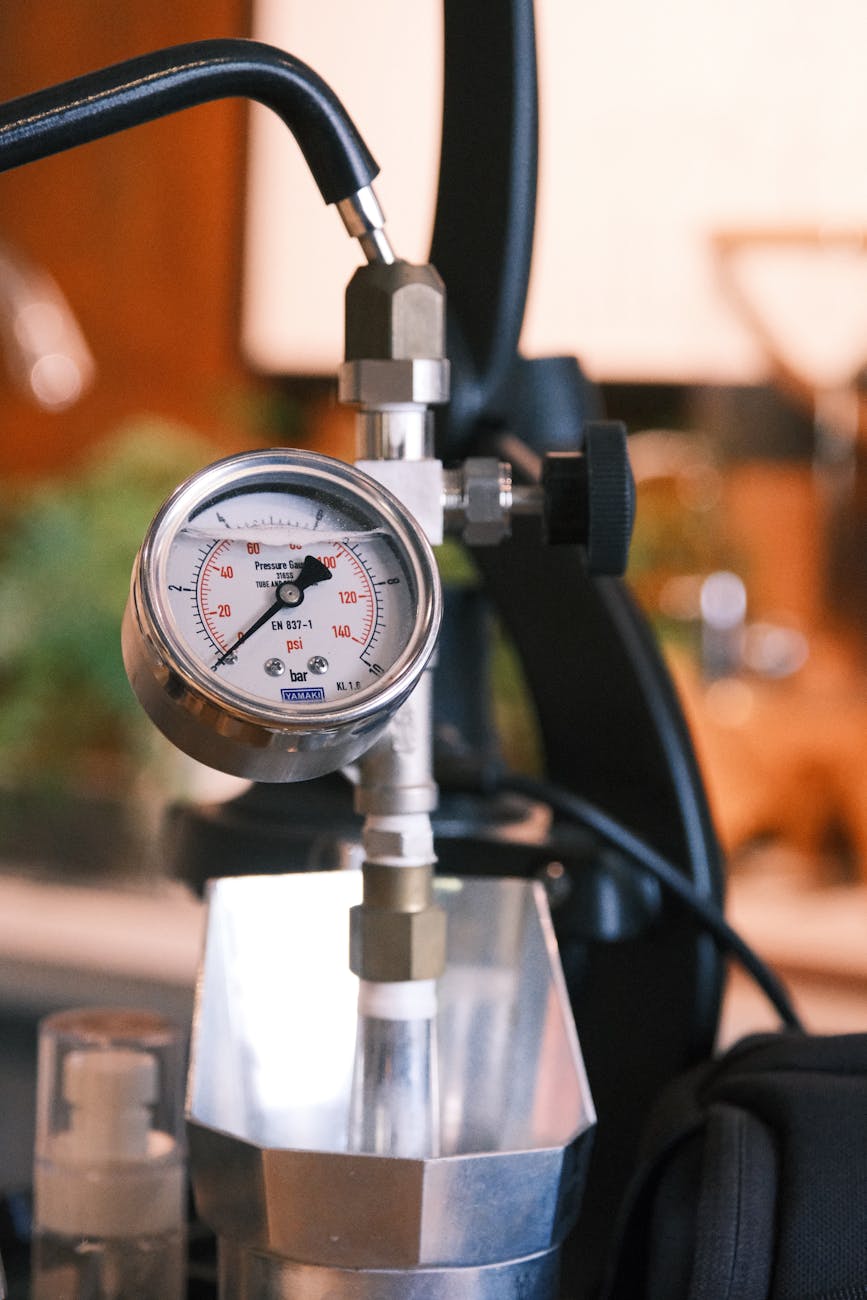
The science of pressure profiling for better home espresso
The quest for the perfect espresso shot is a journey familiar to every home barista. We obsess over grind size, dose, and temperature, yet one of the most impactful variables often remains fixed: pressure. Most home machines are designed to deliver a steady 9 bars of pressure, a long-standing industry standard. But what if that constant pressure isn’t optimal for every coffee? This is where pressure profiling comes in. It’s the art and science of manipulating pump pressure throughout the extraction process. By moving beyond a flat pressure curve, you can unlock new dimensions of flavor, tame difficult beans, and gain an unprecedented level of control over your final cup. This article delves into the science behind this advanced technique, exploring how it works and how you can use it to elevate your home espresso game.
Beyond 9 bars: what is pressure profiling?
For decades, the gold standard for espresso extraction has been 9 bars of pressure, or roughly nine times the atmospheric pressure at sea level. This figure became popular with the rise of pump-driven machines and provides the necessary force to create the rich, syrupy texture we associate with great espresso. It’s a reliable standard that works well for classic, medium-to-dark roast blends.
However, pressure profiling challenges this one-size-fits-all approach. At its core, it is the intentional manipulation of pump pressure at different stages of the shot. Instead of a flat line at 9 bars, the pressure might start low, ramp up to a peak, and then gently taper off towards the end of the extraction. This dynamic control allows the barista to influence how water flows through the coffee puck, targeting specific flavor compounds while avoiding undesirable ones.
It’s important to distinguish this from flow profiling, a related concept. While pressure profiling directly controls the force applied by the pump, flow profiling controls the volume of water moving through the group head. The two are interconnected—changing one will affect the other—but they are distinct methods of controlling the extraction. For most home users, direct pressure control (or flow control that mimics it) is the more accessible pathway into this advanced world of espresso brewing.
The three phases of a pressure profile
A well-executed pressure profile can be broken down into three distinct phases, each serving a specific purpose in building the final flavor of the shot. Understanding these stages is the first step to creating your own custom profiles.
- Pre-infusion: This initial phase involves wetting the coffee puck at a very low pressure, typically between 2 and 4 bars. The goal isn’t extraction but gentle saturation. This allows the dry coffee grounds to swell and settle, which helps eliminate any dry pockets or cracks in the puck. A proper pre-infusion is your best defense against channeling, a phenomenon where water finds a path of least resistance and bypasses most of the coffee, leading to a thin, sour, and bitter shot all at once. For light roasts, a longer pre-infusion can help break down the less soluble cellular structure, unlocking more sweetness and complex acidity.
- Ramp-up and extraction: After the puck is fully saturated, the pressure is increased to its peak, often around the traditional 8 or 9 bars. This is the main extraction phase where the majority of the oils, sugars, and acids that create the body and primary flavors of the espresso are dissolved. The speed of this ramp-up and the peak pressure used can significantly affect the shot’s character. A slower ramp might yield a softer, more delicate cup, while a higher peak pressure can build a thicker, more viscous body.
- Ramp-down: In the final stage of the pull, the pressure is gradually reduced. As the shot progresses, soluble compounds are washed away, and the puck’s integrity begins to degrade, making it easier for water to pass through. If you maintain a high pressure at this stage, you risk over-extracting bitter and astringent compounds like tannins. By tapering the pressure down (for example, from 9 to 6 bars), you can maintain a steady, gentle flow rate, allowing you to extract the remaining sweetness without introducing harshness. This phase is crucial for pulling longer shots (like a lungo) that are balanced and not bitter.
How pressure impacts flavor in the cup
The technical adjustments of pressure profiling directly translate into tangible changes in taste, aroma, and texture. By moving away from a fixed pressure, you can effectively steer the extraction towards a desired flavor profile, making it an invaluable tool for getting the best out of any coffee bean.
The low-pressure pre-infusion phase is particularly effective at enhancing sweetness and clarity. By ensuring an even saturation, you create the conditions for a more uniform extraction, which prevents the sour notes of under-extraction and the bitter notes of over-extraction from dominating the cup. This allows the inherent sweetness and delicate floral or fruit notes of a coffee, especially single-origin light roasts, to shine through.
The peak pressure during the main extraction phase has the biggest impact on body and texture. Higher pressures (e.g., 9-10 bars) tend to emulsify more oils, resulting in a richer, more abundant crema and a heavier, more syrupy mouthfeel. This is ideal for traditional Italian-style blends where a thick body is highly prized. Conversely, a lower peak pressure (e.g., 7-8 bars) might produce a slightly thinner body but can reveal more nuance and complexity in the flavor.
Finally, the ramp-down phase is your primary tool for controlling bitterness and astringency. The compounds responsible for these undesirable flavors are typically less soluble and extract towards the end of the shot. By lowering the pressure, you reduce the solvent power of the water, effectively cutting the extraction of these compounds short. This allows you to achieve a higher extraction yield—getting more of the good stuff out of the coffee—without the negative consequences, resulting in a cleaner, sweeter, and more balanced finish.
| Profile Phase | Typical Pressure | Primary Impact on Flavor |
|---|---|---|
| Pre-infusion | 2-4 bars | Reduces channeling, increases sweetness and clarity. |
| Peak Extraction | 7-10 bars | Builds body, crema, and texture. Higher pressure = heavier body. |
| Ramp-down | Decline from 8 to 5 bars | Minimizes bitterness and astringency, allows for a clean finish. |
Getting started with pressure profiling at home
Venturing into pressure profiling might seem daunting, but it’s more accessible than ever for the home barista. The first step is having the right equipment. Manual lever machines have always offered a form of pressure profiling by nature. Modern options include adding a flow control device to a classic E61 group head machine or investing in a high-end machine with built-in, programmable pressure profiling capabilities.
When you’re ready to start, don’t try to reinvent the wheel. Begin with a classic profile as your baseline. A great starting point is a “blooming” profile:
- Start with a pre-infusion at 3 bars for 10-15 seconds, or until the bottom of your portafilter basket is saturated with beads of espresso.
- Quickly ramp up to 9 bars and hold it there for the main part of the extraction.
- Once you have about two-thirds of your desired yield in the cup, begin to ramp down the pressure, aiming to finish around 6 bars as you stop the shot.
Remember that pressure is now a new, powerful variable in your recipe, alongside dose, grind, and yield. The golden rule is to only change one variable at a time. If you change your grind size, keep the pressure profile the same to see its effect. If you want to test a different profile, keep your grind and dose consistent. Keeping a simple log of your parameters and tasting notes will dramatically speed up your learning curve. Ultimately, your palate is the final judge. Experiment, taste, and trust your senses to guide you toward that perfect shot.
Conclusion
Pressure profiling transforms espresso making from a static process into a dynamic craft. It moves beyond the rigid 9-bar standard, acknowledging that different coffees benefit from different extraction approaches. By breaking down the shot into phases—pre-infusion, extraction, and ramp-down—baristas can gain precise control over the final result. This allows for the mitigation of channeling, the enhancement of sweetness and acidity, and the reduction of bitterness. For the home enthusiast, this technique unlocks a new level of engagement with their coffee, providing the tools to tailor each extraction to the unique characteristics of the bean. While it adds a layer of complexity, the reward is immense: a deeper understanding of espresso science and, most importantly, a consistently more delicious and personalized cup of coffee.

 No products in the cart.