

Common mistakes when dialing in espresso on a manual lever machine
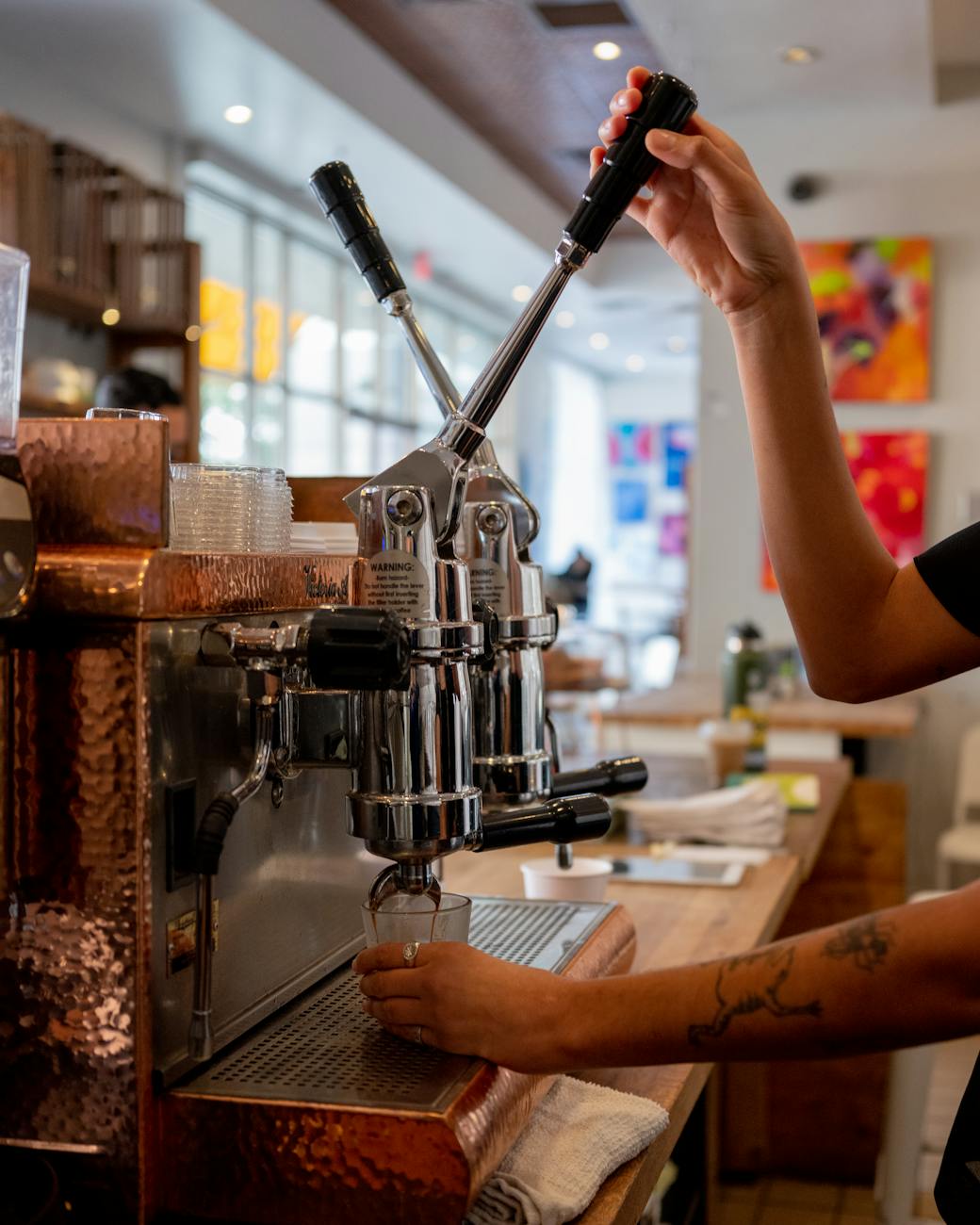
The allure of a manual lever espresso machine is undeniable. The gleaming chrome, the satisfying pull of the lever, and the promise of direct control over every shot can feel like the pinnacle of the home barista experience. However, this hands-on approach also introduces a steep learning curve. Unlike semi-automatic machines, where a pump does the heavy lifting, a lever machine makes you the pump. This means every small inconsistency is magnified, often leading to frustration. Many new owners struggle, pulling sour, bitter, or watery shots, and question their purchase. This guide will walk you through the most common mistakes made when dialing in espresso on a manual lever machine, helping you tame your machine and start pulling delicious, syrupy shots.
Ignoring the foundation: Puck preparation
Before you even think about pulling the lever, the most critical work has already happened inside your portafilter. On a manual machine, where you are manually creating pressure, any weakness in the coffee puck will be exploited, leading to channeling and a poorly extracted shot. The most common mistake is underestimating the importance of a flawless puck.
This starts with your dose. Weighing your beans before grinding and weighing your grounds in the portafilter is not optional; it’s essential for consistency. A dose that’s off by even half a gram can significantly alter how the shot pulls.
Next is distribution. Coffee grinders, especially at fine espresso settings, produce clumps. If you tamp on a clumpy, uneven bed of coffee, you create dense spots and loose spots. Water will always follow the path of least resistance, rushing through the loose spots and creating channels. This is where a Weiss Distribution Technique (WDT) tool is invaluable. Using a tool with fine needles to stir the grounds breaks up clumps and creates a uniform, fluffy bed. Only after proper distribution should you tamp. Your tamp should be level and consistent, ensuring you apply even pressure across the surface to create a uniformly dense puck ready for extraction.
Mismanaging brew temperature
Many popular manual lever machines, particularly direct-boiler designs like the classic La Pavoni Europiccola, have a group head attached directly to the boiler. This simple design is elegant but creates a significant thermal challenge: the group head gets progressively hotter with each shot. A beginner often pulls a decent first shot, only to find the second and third are incredibly bitter and harsh. This is a classic sign of an overheated group head, which is boiling the water as it hits the coffee, scorching it and over-extracting bitter compounds.
Learning to manage this heat is key. You can:
- Use a temperature strip: These adhesive strips change color to give you a visual indication of the group head temperature.
- Perform a cooling flush: Lock in a portafilter with no coffee and lift the lever part-way to run some overly hot water out before pulling your actual shot.
- Use a cold, wet towel: Wrapping the group head with a damp cloth for a few seconds can bring the temperature down quickly between shots.
Conversely, some machines may need help getting up to temperature. A shot pulled with a cold group head and portafilter will taste sour and under-extracted. Always preheat your machine thoroughly, and consider pulling a “blank shot” of just hot water through your locked-in portafilter to bring everything up to an ideal brewing temperature before you dose your coffee.
Rushing the pre-infusion and pull
The magic of the lever machine happens during pre-infusion and the subsequent pull. Pre-infusion is the phase where you lift the lever, allowing low-pressure water from the boiler to gently saturate the coffee puck. A common mistake is rushing this step. If you begin to apply full pressure before the puck is fully and evenly saturated, you can fracture it, creating instant channels for water to rush through. A good pre-infusion, typically lasting 5-10 seconds, should result in the first few drops of espresso appearing at the bottom of the basket. This tells you the puck is ready for pressure.
When you do begin the pull, the mistake is often applying pressure too aggressively or inconsistently. Don’t just yank the lever down. Apply firm, steady, and even pressure. The lever provides tactile feedback; you should feel a consistent resistance throughout the pull. If the lever suddenly gives way, it’s a sign that your puck has fractured and channeling is occurring. Many advanced users practice pressure profiling, where they might start with slightly less pressure and then ramp up to a peak before tapering off toward the end of the shot to reduce the chance of bitterness. Learning to feel and control this process is the heart of mastering a lever machine.
Chasing variables without a plan
When a shot tastes bad, the first instinct for many is to simply “grind finer.” While grind size is a critical variable, it’s not the only one, and changing it without a clear reason can lead you down a rabbit hole of frustration. A shot that runs too fast and tastes sour could be caused by a coarse grind, but it could also be caused by severe channeling due to poor puck prep, as discussed earlier. If you grind finer to compensate for channeling, you might just choke the machine or create an even more bitter shot.
To avoid this, adopt a methodical approach. Only change one variable at a time. If you suspect your puck prep is the issue, focus on improving your WDT and tamping before you touch the grinder. If you think your temperature is too high, try a cooling flush before you change your dose. Keeping your other variables constant allows you to isolate the problem and understand its solution. The table below offers a simple troubleshooting guide.
| Problem (Taste/Visual) | Likely Cause(s) | First Variable to Adjust |
|---|---|---|
| Sour, acidic, thin body | Under-extraction (shot ran too fast, grind is too coarse) | Grind finer |
| Bitter, harsh, burnt | Over-extraction (shot ran too long, grind too fine, water too hot) | Coarsen the grind OR lower the brew temperature |
| Tastes both sour and bitter | Channeling (uneven extraction) | Improve puck prep (WDT, level tamp) |
| Shot gushes out quickly | Grind is much too coarse, or severe channeling | Check puck prep first, then grind significantly finer |
Mastering a manual lever espresso machine is a journey of patience and precision. By avoiding these common pitfalls, you can dramatically shorten your learning curve. Remember the three pillars: a perfectly prepared puck, stable and appropriate brew temperature, and a steady, controlled pull. It’s not about achieving perfection on the first try, but about building a consistent routine and learning to diagnose your shots. When you approach the process methodically, you stop fighting the machine and start working with it. The reward for this effort is not just a superior cup of espresso, but the deep satisfaction of having crafted it entirely with your own hands, transforming a daily ritual into a true art form.
 No products in the cart.