

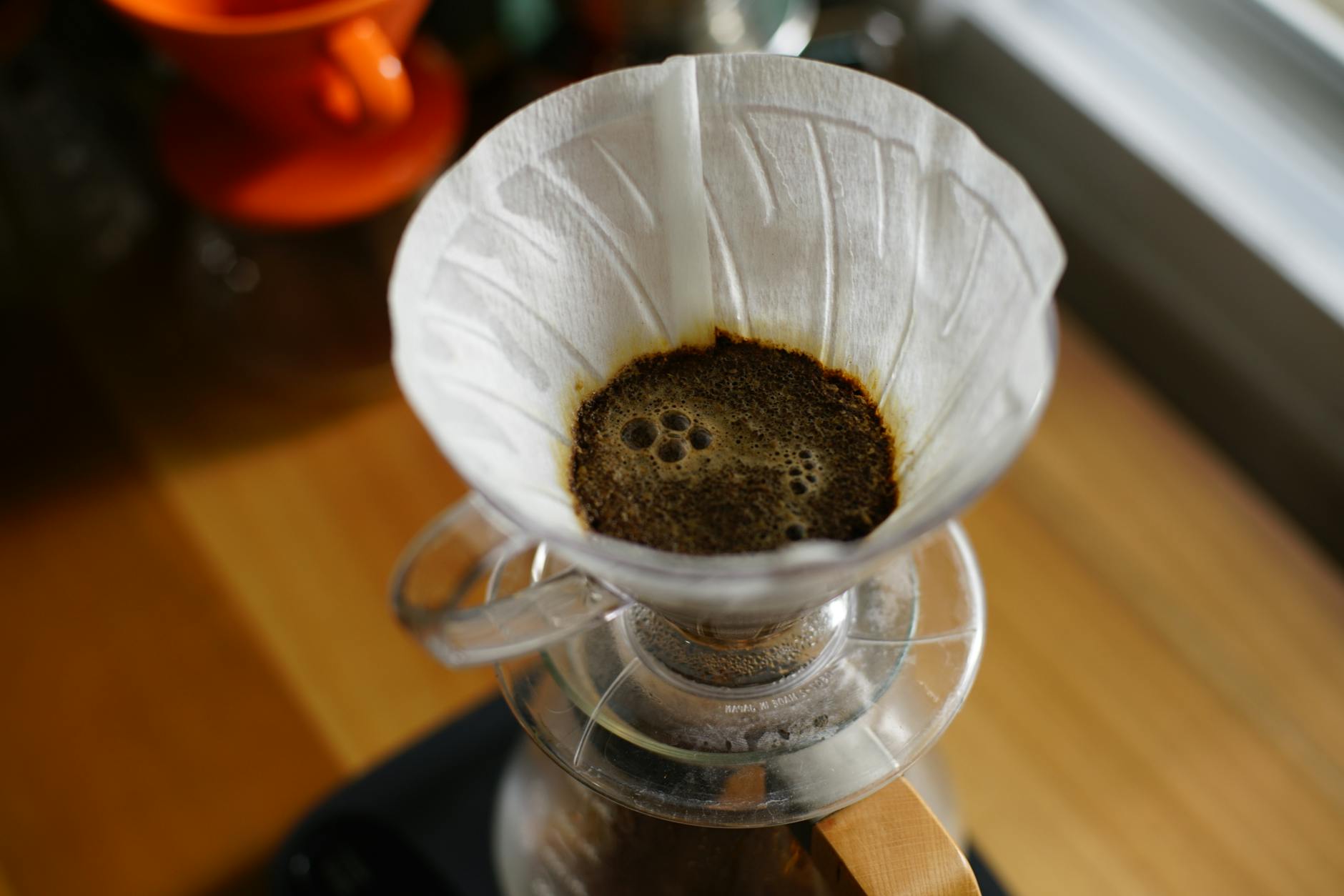
Unlock espresso clarity: A guide to V60-style paper filtration techniques
For many coffee lovers, the perfect espresso is a delicate balance of rich texture and distinct flavor. However, the very nature of traditional espresso extraction, with its high pressure and metal filter basket, often results in a heavy-bodied shot where subtle tasting notes can get lost in the ‘mud’. What if you could borrow a technique from the world of pour-over coffee to clean up your cup? This article explores an increasingly popular method among home baristas: using V60-style paper filters inside your espresso portafilter. We will delve into why this works, how to do it correctly, and what changes you can expect in your final brew, transforming your espresso from a powerhouse of texture to a beacon of flavor clarity.
Why traditional espresso can be ‘muddy’
To understand the solution, we first need to appreciate the problem. A standard espresso portafilter basket is a marvel of engineering, designed to withstand immense pressure while allowing liquid coffee to pass through. Its filtration, however, is purely mechanical and based on hole size. These precision-drilled holes are incredibly small, but they are still large enough to allow very fine coffee particles, known as fines, to pass through into the cup.
These fines, along with certain coffee oils, are the primary contributors to espresso’s characteristic heavy, viscous body and thick crema. While many cherish this texture, it comes at a cost. The high concentration of suspended solids can create a silty or ‘muddy’ mouthfeel that can overpower the more delicate, nuanced flavors of the coffee itself, particularly with light-roast single origins. Fruity, floral, or acidic notes can become muted, blended into a singular, intense coffee flavor rather than standing out as distinct elements.
Introducing paper filtration to your espresso routine
Here is where the worlds of pour-over and espresso collide. Pour-over methods like the Hario V60 are renowned for producing exceptionally clean, bright, and transparent cups of coffee. The secret is the paper filter, which provides a much finer level of filtration than a metal espresso basket. By placing a paper filter inside the portafilter, you are adding a secondary, more discerning filtration layer to the espresso-making process.
This simple addition does two key things. First, it traps a significant portion of the fines that would normally end up in your cup. Second, it absorbs some of the oils responsible for a heavier body and crema. The result is a fundamental shift in the shot’s profile. Instead of masking flavors, the liquid is cleaner, allowing the inherent characteristics of the coffee bean to shine through with greater clarity and separation. It effectively strips back the texture to reveal the flavor underneath.
A step-by-step guide to paper-filtered espresso
Implementing this technique is straightforward, but it requires a small adjustment to your workflow and dialing-in process. Here’s how to get started:
- Prepare your filter: You can purchase pre-cut paper filters specifically sized for your 58mm or 54mm portafilter. Alternatively, you can make your own by taking a standard V60 or other cone-shaped filter, placing your tamper on it, and tracing and cutting out a circle.
- Choose your placement: You have two main options, though one has a much larger impact on clarity.
- Filter on the bottom (for clarity): This is the most common and effective method. Place the circular paper filter at the bottom of the empty portafilter basket, ensuring it sits flat. Then, add your coffee grounds on top of it as you normally would. This filters the espresso as it is being extracted.
- Filter on top (for distribution): You can also place a paper filter on top of your tamped puck of coffee. This acts as a makeshift puck screen, helping to distribute water more evenly and keeping your group head cleaner. While beneficial, this placement has a minimal effect on the final cup’s clarity compared to placing it on the bottom.
- Important: Adjust your grind: This is the most critical step. Adding a paper filter at the bottom of the basket reduces resistance, causing the shot to flow much faster. To compensate, you must grind your coffee significantly finer than you would for a standard shot. Aim for your usual shot time (e.g., 25-30 seconds) as a starting point and adjust your grind size to hit that target. Ignoring this step will result in a sour, under-extracted shot.
The taste test: Analyzing the impact on flavor and texture
Once you’ve dialed in your shot with the paper filter, the difference in the cup will be immediately noticeable. You are trading traditional characteristics for new ones, and whether this is an “improvement” is a matter of personal preference. The goal is not necessarily a better shot, but a different one that can highlight new aspects of your coffee.
Here’s a breakdown of what to expect:
Clarity: This is the biggest win. Flavors will be more separated and easier to identify. Notes of berry, citrus, or jasmine in a light roast that were previously muddled will become vibrant and distinct. The finish will be cleaner and less lingering.
Body: The mouthfeel will be significantly lighter, closer to a strong pour-over or an Americano than a traditional espresso. The thick, syrupy texture will be replaced by a more tea-like or juicy body.
Crema: Expect much less crema. Because the paper traps many of the oils necessary for creating and stabilizing the foam, your crema will be thinner, lighter in color, and will dissipate more quickly.
| Attribute | Standard espresso shot | Paper-filtered espresso shot |
|---|---|---|
| Clarity | Lower; flavors can be blended and muted. | High; distinct and separated flavor notes. |
| Body/Mouthfeel | Heavy, viscous, sometimes silty. | Light, clean, more tea-like or juicy. |
| Crema | Thick, rich, and persistent. | Thin, light, and quick to dissipate. |
| Fines in Cup | Present; contribute to heavy texture. | Significantly reduced or eliminated. |
Conclusion: A new tool for flavor exploration
In summary, incorporating a V60-style paper filter into your espresso routine is a powerful technique for shifting the final cup’s profile away from texture and towards flavor clarity. By placing a paper disc at the bottom of your portafilter and grinding finer to maintain extraction time, you can effectively trap the fine particles and oils that create a heavy body. The result is a cleaner, brighter shot where the nuanced flavors of your coffee beans can be tasted with unprecedented distinction, though at the expense of traditional body and crema. This method is not a replacement for classic espresso but rather a fantastic tool for enthusiasts looking to explore the full potential of their specialty coffees. Give it a try—you might just discover a whole new dimension to your favorite beans.

 No products in the cart.