

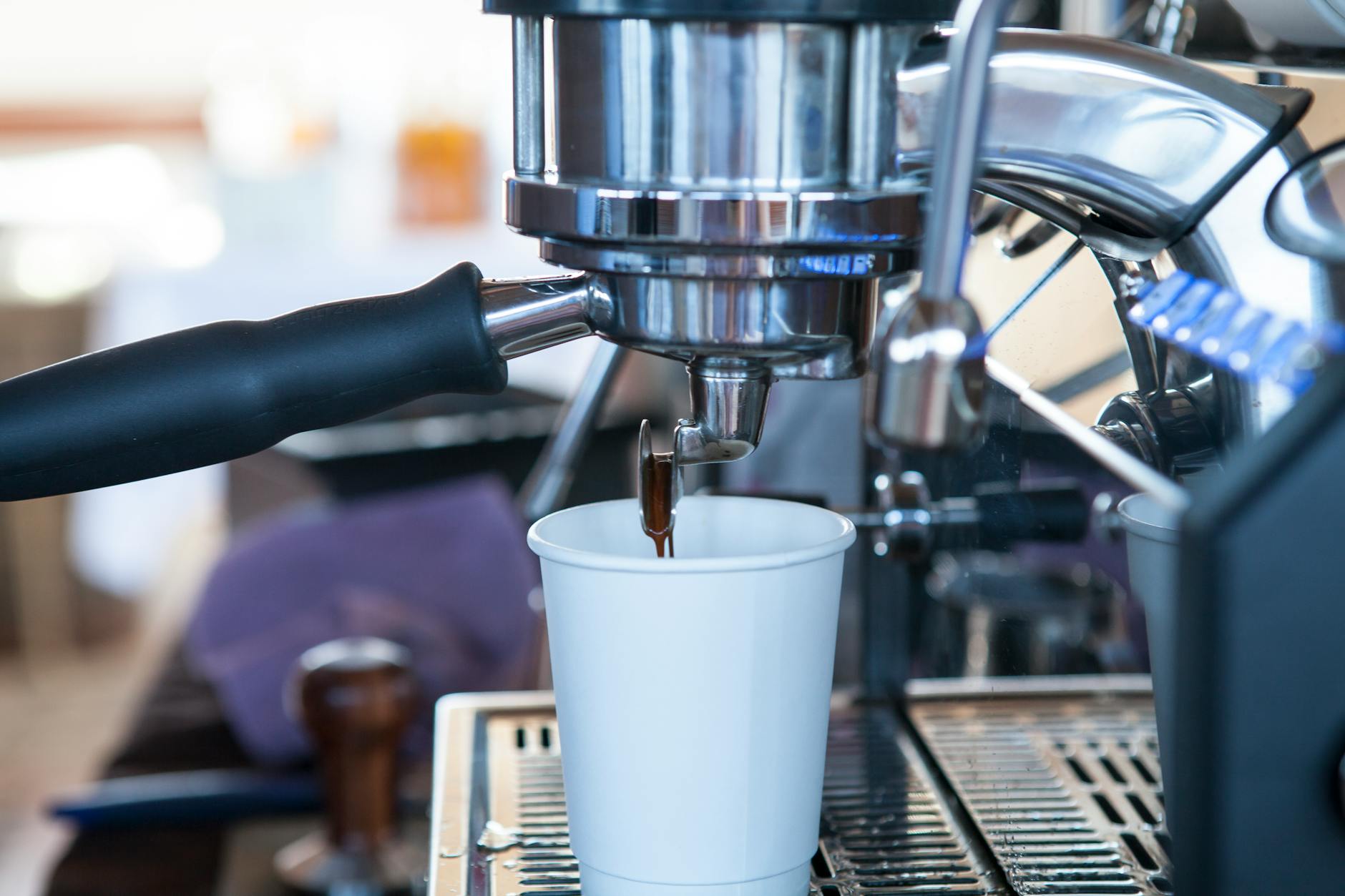
In the relentless pursuit of the perfect espresso, baristas meticulously control variables like bean origin, roast profile, grind size, and water temperature. Yet, a small, often overlooked piece of metal sits at the heart of the extraction process: the filter basket. For many, the standard basket that comes with their machine is simply accepted as part of the equipment. However, for those chasing exceptional clarity, sweetness, and a high extraction yield, the switch to a precision filter basket is a game-changing upgrade. This article will delve into the critical role these engineered baskets play, exploring how their design directly impacts water flow, prevents channeling, and ultimately unlocks the full flavor potential hidden within your coffee beans.
What separates a precision basket from a stock basket?
At a glance, a stock filter basket and a precision basket look similar. They are both small, metal cups with holes in the bottom. However, the difference lies in the manufacturing process and the resulting consistency. A standard, or stock, basket is typically mass-produced by stamping holes into a sheet of metal. This process can result in irregularly shaped holes with jagged edges, and their placement across the basket floor can be inconsistent.
A precision filter basket, in contrast, is an engineered tool. Its creation focuses on three key areas:
- Hole uniformity: Each hole is created with extreme precision, often using lasers or a photo-etching process. This ensures every single hole is identical in diameter and has a clean, sharp edge. There is no variance from one hole to the next.
- Hole distribution: The holes are arranged in a deliberate, geometric pattern that covers a wider surface area of the basket’s base. This design is calculated to promote a more even saturation of the coffee puck.
- Material and finish: They are often crafted from higher-grade stainless steel. Many precision baskets also undergo an electropolishing process, which creates an incredibly smooth, non-stick surface. This finish helps prevent coffee oils from clogging the holes and makes cleaning the basket significantly easier.
These seemingly minor differences fundamentally alter how water interacts with the coffee, moving the basket from a simple filter to an active tool in achieving a better extraction.
The link between precision and even extraction
The ultimate goal in espresso is to achieve a high and even extraction. This means dissolving the optimal amount of coffee solids (sugars, acids, oils) from the grounds into the water, ideally between 19-22% of the coffee’s initial weight. When extraction is uneven, your shot becomes a muddled mix of undesirable flavors.
This is where the flaws of a stock basket become apparent. Its inconsistent holes create paths of varying resistance for the water. Water, like electricity, will always follow the path of least resistance. This leads to a phenomenon called channeling, where water rushes through certain parts of the coffee puck while neglecting others. The areas with excessive flow become over-extracted, contributing bitter and astringent flavors. Meanwhile, the neglected areas are under-extracted, adding sour, weak notes. The final cup is unbalanced and fails to represent the coffee’s true potential.
A precision basket’s uniform hole pattern forces water to permeate the entire coffee puck much more evenly. By eliminating the easy escape routes, it encourages a homogenous saturation. This even flow is the key to unlocking a higher extraction yield without introducing negative flavors. It allows the barista to grind the coffee finer, increasing the surface area for extraction, with a much lower risk of channeling. The result is a cup with more sweetness, complexity, and a clarity of flavor that is simply not possible with a stock basket.
Choosing the right precision basket for your setup
When you decide to upgrade, you will primarily encounter two major brands in the precision basket market: VST and IMS. While both offer a massive improvement over stock baskets, they have slightly different philosophies and characteristics. Choosing between them often comes down to personal preference and the specific qualities you are looking for in your espresso.
Beyond the brand, you must consider the basket’s size (dose) and shape. Sizes are listed by their recommended coffee dose, such as 18g, 20g, or 22g. It is crucial to use the correct dose for your basket to ensure proper headspace between the coffee puck and the shower screen. You will also see options for ridged and ridgeless baskets. A ridge is an indentation that helps hold the basket in the portafilter. Many baristas prefer ridgeless baskets as they are easier to remove for cleaning and can provide a more uniform seal with the tamper all the way to the edge of the puck.
| Feature | VST baskets | IMS baskets | Stock baskets |
|---|---|---|---|
| Hole machining | Photo-etched, very high precision | Laser-cut, high precision | Stamped, inconsistent |
| Hole pattern | Extremely uniform and geometric | Specific, patented patterns | Often random or clustered |
| Tolerances | Very tight, often sold with a QC report | Tight, with various competition models | Wide variance |
| Typical flow rate | Faster, requiring a finer grind setting | Varies by model, generally faster than stock | Slower and less consistent |
| Best for | Baristas seeking maximum clarity and data | A significant upgrade with many shape options | Basic use, often a performance bottleneck |
Dialing in with a precision basket
Upgrading to a precision basket is not a simple drop-in replacement; it requires you to adjust your espresso-making routine. Its higher efficiency and flow rate will expose any flaws in your technique that a stock basket might have masked. The first and most important change will be your grind size. Because water flows more freely through the uniform holes, you must grind finer to achieve a standard shot time of 25-30 seconds. This is not a drawback; it is the entire point. A finer grind increases the coffee’s surface area, which, combined with the basket’s even flow, enables a higher extraction.
Furthermore, puck preparation becomes paramount. The even flow of a precision basket will punish an unevenly distributed coffee bed. Techniques like the Weiss Distribution Technique (WDT), which uses a needle tool to break up clumps and evenly distribute the grounds, become almost essential. A level and consistent tamp is equally critical. A precision basket rewards meticulous preparation with exceptional espresso, but it will punish sloppy prep with a fast, sour, and unsatisfying shot.
In conclusion, the filter basket is far from just a container for coffee grounds; it is a fundamental tool that dictates the potential of every shot you pull. While stock baskets serve a basic function, their inherent inconsistencies create a low ceiling for extraction quality, often leading to channeling and unbalanced flavors. A precision filter basket removes this significant variable from the equation. Through its meticulously engineered hole pattern and uniform construction, it promotes an even flow of water across the entire coffee puck. This uniformity is the key that unlocks the ability to grind finer and achieve a higher, more even extraction, resulting in espresso that is consistently sweeter, clearer, and more complex. It’s a modest investment that elevates your equipment and empowers you to get the absolute best out of your coffee.



 No products in the cart.