

The pursuit of the perfect espresso shot is a journey of precision, patience, and practice. For dedicated home baristas using manual machines like the Gaggia Classic Pro, every variable matters. Yet, one often-overlooked aspect of workflow refinement is mess reduction. Stray coffee grounds, water splashes, and a disorganized station not only add to cleanup time but can also compromise the quality and consistency of your shots. A clean, deliberate workflow is not about aesthetics; it is about control. By minimizing uncontrolled variables, you can focus more on the elements that directly impact extraction, leading to a more repeatable and enjoyable brewing process. This article explores practical techniques to maintain a tidier, more efficient Gaggia espresso workflow.
Grounds containment during dosing
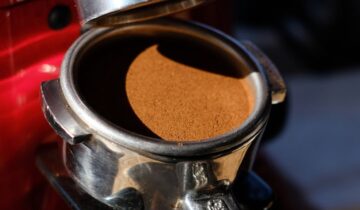
The first and most significant source of mess in any espresso routine is the transfer of coffee grounds from the grinder to the portafilter. Static electricity, grinder design, and dosing technique all contribute to spillage. While some grinders produce fluffier, less clumpy grounds, static can still cause fine particles to cling to surfaces and disperse around your workspace. The most effective strategy for containment at this stage is to create a physical barrier.
Using a dosing funnel that fits snugly on your portafilter basket is a fundamental step. A well-designed funnel provides a wider target for the grounds, preventing them from overflowing the basket’s edges. This is especially critical when using a grinder that doses quickly or when preparing a shot that requires a larger dose of coffee. The funnel allows you to build a taller mound of grounds than the basket could otherwise hold, which is essential for effective distribution techniques that follow. It effectively eliminates the primary source of loose grounds on your countertop and around the group head.
Refining puck preparation techniques
Puck preparation, which includes distribution and tamping, is another critical point where mess can occur. The goal is to create a uniformly dense coffee bed for an even extraction, but the process itself can be untidy if not performed with care. Techniques like the Weiss Distribution Technique (WDT), which uses fine needles to break up clumps, can easily send grounds over the side of the portafilter basket.
This is where a dosing funnel continues to provide value. By keeping the funnel in place during WDT, you can agitate the grounds thoroughly without spillage. After distribution, a few gentle vertical taps of the portafilter on a tamping mat can help settle the coffee bed, creating a flat surface for tamping. Avoid aggressive side-tapping, which can create density channels along the basket walls and may not be as effective for settling the grounds uniformly. Once the grounds are settled below the rim, you can remove the funnel and proceed to tamp.
Tamping and portafilter hygiene
The transition from distribution to tamping is a small but important step for cleanliness. After leveling the grounds, it is crucial to ensure the rim of the filter basket is completely free of coffee particles before tamping. Any grounds left on the rim can be pressed into the group head gasket when you lock in the portafilter. Over time, this buildup can harden, leading to a poor seal, leaks during extraction, and potential damage to the gasket.
Use a finger or a small brush to wipe the rim clean after distribution and before tamping. After tamping, inspect the portafilter ears and the top surface one last time. A clean portafilter ensures a solid connection with the group head, preventing messy leaks and channeling caused by an improper seal. This simple habit contributes significantly to the long-term health and cleanliness of your Gaggia machine.
Managing the extraction and post-shot cleanup
A clean workflow extends to the extraction itself. Splashes and spurts from the portafilter spouts (or bottomless portafilter) are often symptoms of channeling, where water finds pathways of least resistance through the puck. This not only creates a mess but is also a clear indicator of uneven extraction. A focus on meticulous puck preparation is the best preventative measure.
After the shot, Gaggia machines can sometimes produce a wet, soupy puck due to the specific design of their three-way solenoid valve release. This can make knocking out the puck a messy affair. To manage this, let the portafilter rest in the group head for a few extra seconds after the shot is complete. This allows the valve to release pressure more gently. A solid, appropriately sized knock box is also essential. A firm, confident strike is more effective and cleaner than multiple timid taps. Immediately after, a quick flush of the group head and a wipe of the shower screen with a brush will prevent coffee oils from baking onto the components.
Conclusion
Reducing mess in your Gaggia espresso workflow is not about obsessive neatness but about intentionality and control. Each step, from grinding to final cleanup, offers an opportunity to refine your technique. By containing grounds during dosing and distribution, ensuring a clean portafilter seal, and adopting a methodical post-shot routine, you can create a more efficient and repeatable process. The result is less time spent on cleanup and more time focused on the nuances of extraction. A tidy workspace is the foundation for consistent, high-quality espresso. While mastering technique is paramount, having the right equipment can support a cleaner process. Baristas can find a range of relevant tools designed for Gaggia machines at papelespresso.com.
 No products in the cart.