

An espresso shot that runs too fast is a common frustration for home baristas, especially when working with manual machines like the Gaggia series. A shot that gushes out in under 20 seconds is more than just a visual issue; it is a sign of under-extraction. This rapid flow means the water has not had sufficient contact time with the coffee grounds to dissolve the desirable solids and oils responsible for a rich, balanced flavor. The result is often a thin, sour, and unsatisfying cup. For the experienced user aiming for precision and control, diagnosing the cause of a fast shot is a critical skill. It involves a systematic evaluation of your preparation workflow, from the grinder to the machine itself. This guide provides a technical breakdown of the most common causes and how to correct them.
Dialing in the grind
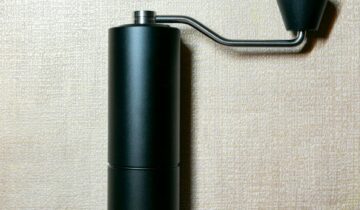
The single most influential factor in espresso extraction time is the grind size. If your shot is running too fast, your first and most important adjustment should be to your grinder. Water will always follow the path of least resistance, and large or inconsistent coffee particles create a porous coffee bed with significant empty space. This allows water to pass through the puck with little opposition, preventing proper extraction. To slow the shot down, you must make the grind finer. This adjustment reduces the space between coffee particles, increasing the density of the puck and forcing the water to work harder and more slowly to get through. When adjusting, make small, incremental changes. Even a minor shift on a quality grinder can have a significant impact on shot time. Grind a small dose, make a change, and pull another shot, aiming for a total extraction time of around 25 to 30 seconds as a starting point.
Dose and distribution
While grind size is primary, the amount of coffee you use (your dose) and how it is distributed in the portafilter basket are also critical. An insufficient dose for your basket size will result in excessive headroom between the coffee puck and the group head shower screen. When the pump engages, this empty space allows water to forcefully agitate the surface of the puck, eroding its integrity and often leading to channeling, where water punches a hole through the coffee bed and gushes out. Ensure your dose is appropriate for the basket’s specified capacity. Furthermore, even with the correct dose, clumps and an uneven distribution of grounds will create localized areas of low density. These spots become channels for the water to exploit, again causing a fast, under-extracted shot. Using a workflow that includes breaking up clumps and leveling the grounds before tamping is essential for creating a homogenous puck that resists channeling.
Tamping pressure and technique
Tamping is the final step in preparing the coffee puck, and its purpose is to create a uniformly dense bed for the water to pass through. Inconsistent or overly light tamping is a frequent cause of fast shots. A tamp that is not perfectly level will leave one side of the puck less compressed than the other. Water will naturally flow faster through the less compressed side, leading to an uneven extraction and a faster overall shot time. Similarly, insufficient pressure fails to compact the grounds adequately, leaving the puck vulnerable to being fractured by the introduction of high-pressure water from the group head. The goal of tamping is not to apply as much force as possible, but rather to be consistent. Focus on applying firm, even pressure until the coffee bed stops compressing. A level, polished surface is a good indicator of a well-prepared puck that will encourage a uniform extraction.
Machine temperature and pressure
Although less common than issues with puck preparation, the machine itself can contribute to fast shots. On Gaggia machines, temperature and pressure play a role in how the water interacts with the coffee. Water that is too hot can, in some cases, cause the puck to fracture, while brew pressure that is excessively high will force water through the coffee bed too quickly. Many Gaggia users modify their machines to include pressure gauges or PID controllers for temperature stability. If you have a stock machine, you can still manage temperature by flushing a small amount of water through the group head right before pulling your shot. This can help stabilize the temperature of the brew path. If you consistently face fast shots and have exhausted all grind, dose, and tamping variables, verifying your machine’s pump pressure may be a worthwhile step, as an unregulated pump could be operating far above the ideal 9-bar range.
Conclusion
Fixing a fast espresso shot on a Gaggia machine is a systematic process of elimination. More often than not, the solution lies in refining your puck preparation. By making your grind finer, ensuring an adequate and evenly distributed dose, and applying a consistent and level tamp, you address the most common variables that lead to under-extraction. Each step is interconnected; a fine grind requires careful distribution, and a perfect distribution requires a solid tamp. Patience and a methodical approach are key. By focusing on creating a dense, uniform coffee puck, you provide the necessary resistance to the machine’s pressure, allowing for a slow, even extraction. This control is the foundation of high-quality espresso. For baristas seeking to improve their workflow consistency, a variety of precision preparation tools are available at papelespresso.com.
 No products in the cart.