

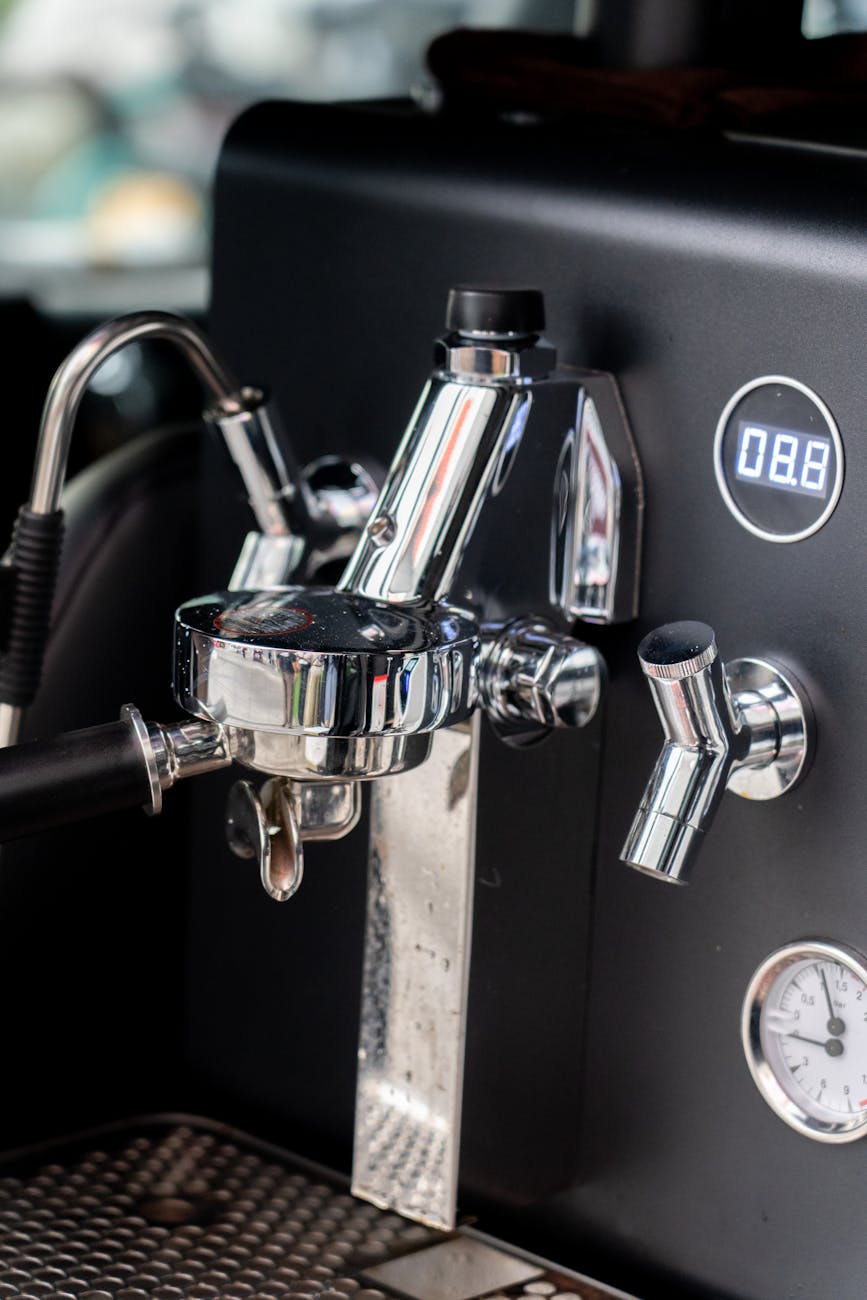
Documenting your espresso journey: The value of saving shot logs
For the dedicated manual espresso enthusiast, the pursuit of the perfect shot is a journey of continuous refinement. Unlike the automated convenience of super-automatic machines, manual espresso requires a deep understanding of variables and a commitment to process. This is where the practice of logging your shots transitions from a tedious chore to an indispensable tool. Documenting each extraction provides a clear, data-driven path to understanding how small adjustments create significant changes in the final cup. By systematically recording your parameters and results, you can move beyond guesswork and start making intentional decisions that lead to repeatable, exceptional espresso. This is not about chasing an elusive, singular “god shot,” but about building a reliable foundation for quality across any coffee you choose to brew.
Establishing a baseline for consistency
Consistency is the hallmark of skill in espresso preparation. Without a written record, you are relying solely on memory to replicate a great shot, a notoriously unreliable method given the number of variables at play. A shot log serves as your objective memory, capturing the exact parameters that led to a specific result. When you dial in a new coffee, this log becomes the foundation of your process. It allows you to establish a baseline recipe—a set of parameters that produces a balanced and enjoyable shot. From this baseline, any future adjustments are deliberate and informed. If a shot tastes sour, you can look at your log and decide to increase the yield or grind finer, knowing precisely what the previous successful parameters were. This methodical approach minimizes frustration and accelerates the learning process, turning each brewing session into a valuable data point rather than a random attempt.
Key variables to track in your log
An effective shot log is detailed but not overwhelming. The goal is to capture the inputs and outputs that have the most significant impact on taste. While you can add more variables as you refine your process, starting with a core set of data is the most effective approach. A simple, well-organized log is more likely to be used consistently. Consider a dedicated notebook or a digital template, such as this Espresso Shot Log Template, to keep your notes organized.
Your log should include several key categories:
- Coffee details: Name, origin, and roaster of the coffee, as well as the roast date. The age of the coffee is a critical variable, as beans require more rest after roasting and their characteristics will change over time.
– Dose: The weight of the ground coffee in your portafilter basket, measured in grams. Precision here is non-negotiable.
– Yield: The final weight of the liquid espresso in the cup, also in grams. The ratio of dose to yield is a primary driver of extraction strength.
– Time: The total duration of the extraction, from the moment the pump is engaged to when it is stopped.
– Grind setting: The numerical setting on your grinder. This provides a crucial reference point for future adjustments.
– Tasting notes: A subjective but vital component. Note the acidity, sweetness, bitterness, and overall balance. Was it sour, astringent, rich, or thin? This is where you connect the data to the sensory outcome.
Interpreting the data to refine your technique
With a few entries in your log, you can begin to see patterns emerge. The log transforms from a simple record into an analytical tool. For instance, you might notice that with a specific coffee, a slightly longer extraction time consistently mutes acidity and enhances sweetness. This is the power of documentation in action. If your shots are consistently sour, your log might show a combination of a fast shot time and a low yield. The solution—grinding finer to slow the shot and increase contact time—becomes an informed decision rather than a random guess.
The log also helps you understand the impact of aging on your coffee beans. You may find that a coffee that required a coarse grind setting seven days post-roast needs a much finer setting at twenty-one days post-roast to achieve a similar extraction time. By documenting these changes, you develop an intuition that is backed by data, allowing you to anticipate adjustments and reduce the number of wasted shots when dialing in a new bag of beans.
The role of tools in data-driven espresso
While a log provides the map, your tools are the vehicle. The precision of your equipment is what allows you to execute the parameters you so carefully record. A scale with 0.1-gram resolution is essential for accurately measuring dose and yield, ensuring the numbers in your log are reliable. Similarly, consistent puck preparation is vital for a repeatable extraction. An uneven or poorly distributed coffee bed can lead to channeling, where water bypasses the coffee grounds, resulting in a shot that is simultaneously sour and bitter. This is an example of a variable that is difficult to quantify in a log but has a profound impact on the result. Ensuring your tamping is level and your distribution is uniform every time helps eliminate these uncontrolled variables, making the data in your log more meaningful. When your technique is consistent, you can be more confident that changes in taste are due to the adjustments you intended to make.
Conclusion
Adopting the practice of logging your espresso shots is a transformative step for any serious home barista. It elevates the craft from one of intuition alone to a blend of sensory evaluation and methodical, data-driven refinement. A detailed log demystifies the extraction process, providing a clear record of cause and effect that accelerates learning and fosters deep consistency. By documenting your variables and tasting notes, you build a personal database that empowers you to understand your coffee and equipment on a more profound level. This disciplined approach minimizes frustration, reduces waste, and ultimately leads to a higher standard of espresso in every cup. For those looking to improve their craft, the necessary tools and accessories to support a consistent workflow are available from retailers like papelespresso.com.

 No products in the cart.