

Over-extraction vs. high extraction: pushing the limits of coffee
For the dedicated home barista, the pursuit of the perfect espresso shot is a journey of continuous refinement. Central to this pursuit is the concept of extraction. While beginners learn to avoid the obvious faults of under-extraction (sourness) and over-extraction (bitterness), the advanced user operates in a more nuanced space. Here, the goal is not merely to avoid flaws but to maximize the potential of the bean. This article explores the critical distinction between high, desirable extraction and genuine over-extraction. Understanding this difference is key for anyone using manual espresso equipment, as it unlocks the door to shots with greater sweetness, complexity, and clarity without introducing negative flavors.
Defining the terms: extraction yield and its meaning
At its core, coffee extraction is the process of dissolving soluble flavor compounds from ground coffee into water. We measure this using a metric called Total Dissolved Solids (TDS), which informs the extraction yield percentage. Extraction yield tells us what percentage of the coffee bean’s mass has moved into the final beverage. A typical espresso shot might have an extraction yield between 18% and 22%. Historically, anything above this range was automatically labeled “over-extracted.”
However, this is a simplification. High extraction refers to achieving a yield above the conventional 22% mark while maintaining a balanced and pleasant taste profile. It is characterized by enhanced sweetness and complex, transparent flavors. Over-extraction, by contrast, is a sensory term. It describes a beverage where, alongside the desirable compounds, an excessive amount of undesirable ones have also been dissolved. These include bitter, astringent, and drying flavors that create a harsh and unpleasant experience, regardless of the numerical yield.
The sensory profile of high extraction
A well-executed high-extraction shot is not bitter. Instead, it presents a layered and articulate flavor profile. The acidity, which might be sharp at lower extractions, becomes more integrated and complex, often perceived as ripe fruit or sweetness. The finish is clean and lingering, without the drying, astringent sensation that coats the palate after an over-extracted shot. Think of it as the difference between the pleasant, structured tannins in a fine wine and the raw, woody bitterness of chewing on a twig. The goal is to pull out more of the good, not just more of everything.
Key variables for maximizing desirable extraction
Achieving a high, balanced extraction requires meticulous control over several variables. It is not about simply grinding finer or pulling a longer shot, as these actions often lead directly to channeling and over-extraction. Instead, a holistic approach is needed.
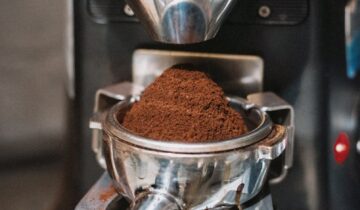
- Uniform puck preparation: Channeling is the primary enemy of high extraction. When water finds a path of least resistance through the coffee puck, it over-extracts the coffee along that path while under-extracting the rest. This results in a shot that is simultaneously sour, bitter, and thin. Perfect distribution and tamping are non-negotiable for creating a homogenous puck that promotes even water flow.
- Grind quality: A high-quality grinder that produces a unimodal distribution of particle sizes is crucial. When coffee grounds are of a consistent size, they extract at a more uniform rate. An excess of fine particles, often produced by lesser grinders, can choke the machine or contribute disproportionately to bitter flavors.
- Water temperature and chemistry: Water is the solvent, and its properties matter immensely. Higher temperatures increase the rate of extraction, but can also more easily pull out bitter compounds. The ideal temperature is bean-dependent. Likewise, water with appropriate mineral content (soft, but not distilled) has better solvent power for desirable flavor compounds.
- Pressure and flow dynamics: Manual and advanced espresso machines offer the ability to manipulate pressure and flow during the shot. A gentle pre-infusion at low pressure helps to saturate the puck evenly before applying full pressure, minimizing the risk of channeling. Tapering the pressure or flow toward the end of the shot can also help, as it reduces the velocity of water moving through the puck when it is most structurally fragile, preventing the extraction of harsh flavors.
Practical application: the blooming espresso
One advanced technique for pushing extraction is the “blooming espresso” or extended pre-infusion. This involves saturating the puck at a very low pressure (e.g., 1-2 bars) for an extended period, sometimes up to 30 seconds, before ramping up to full extraction pressure. This gentle, prolonged wetting period ensures the entire coffee bed is uniformly saturated, which dramatically improves the evenness of the subsequent extraction. This method allows the use of a finer grind setting than would be possible with a standard pressure profile, enabling access to soluble compounds that would otherwise be left behind, all while mitigating the risk of channeling and the associated bitterness of over-extraction.
Conclusion
The distinction between high extraction and over-extraction is not merely academic; it is fundamental to advancing espresso-making skills. Over-extraction is a failure of technique, resulting in a bitter, astringent beverage. High extraction is a success, yielding a shot that is sweeter, more complex, and more transparent. It is achieved not by pushing one variable to its limit, but by meticulously managing all of them in harmony, from puck preparation to pressure profiling. By focusing on uniformity and control, the home barista can move beyond simply avoiding negative outcomes and begin to actively pursue the maximum flavor potential locked within their coffee beans. The right preparation methods, supported by precise tools, are central to this advanced pursuit of coffee excellence.

 No products in the cart.