

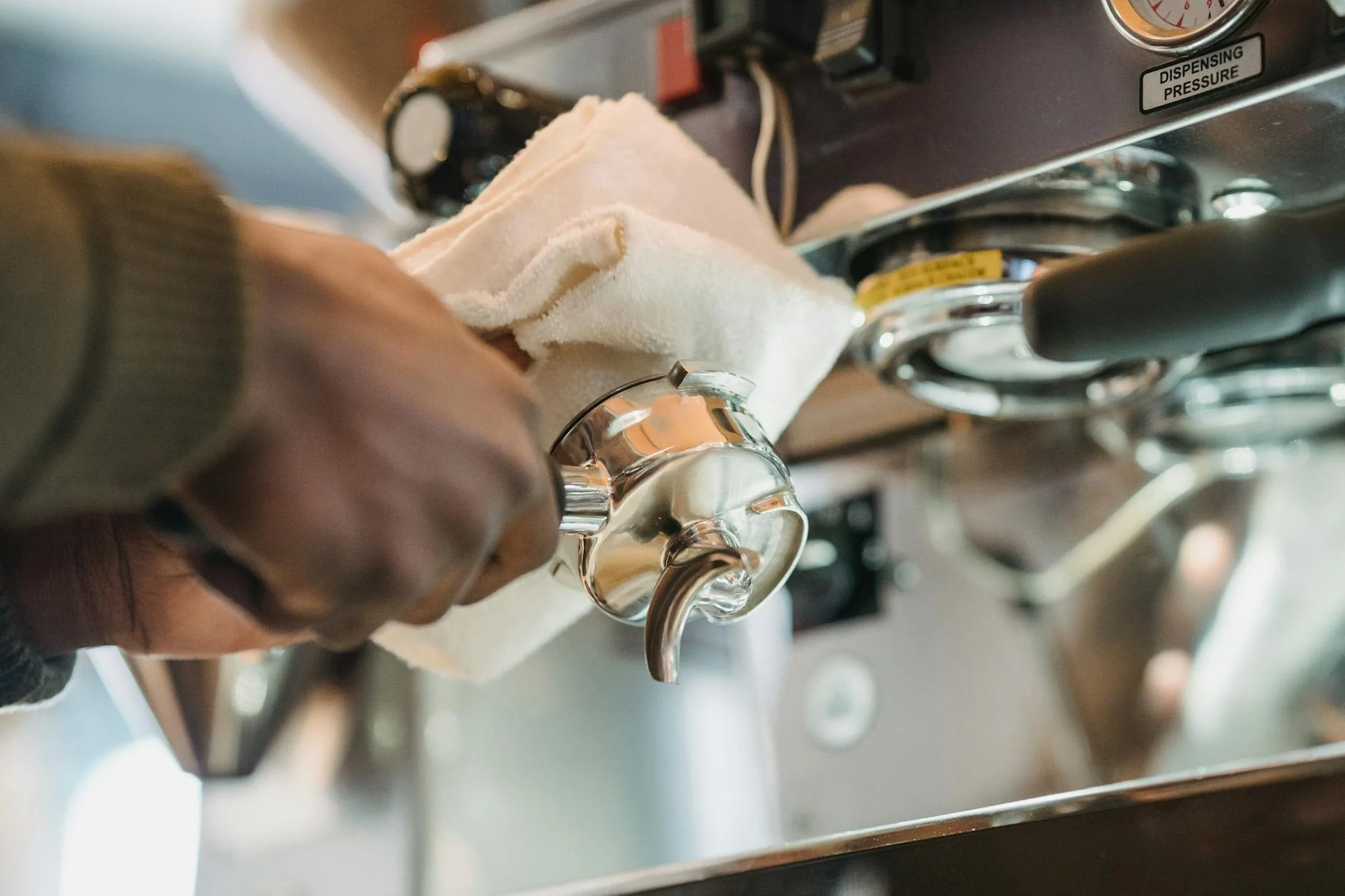
Why your machine loses pressure mid-shot and how to fix it
For the dedicated manual espresso enthusiast, the pressure gauge is a storyteller. It narrates the dynamic interaction between water and coffee, and a steady, predictable pressure curve is often the protagonist of a well-extracted shot. When that pressure unexpectedly drops midway through the pull, it’s not just a number changing; it’s a sign that something in the system has failed. This sudden loss of resistance can lead to an under-extracted, thin, and unsatisfying shot. Understanding the root causes of this issue is fundamental to achieving consistent results and mastering the craft. It requires moving beyond surface-level adjustments and delving into the mechanics of puck preparation and machine health, ensuring every variable is accounted for.
Understanding puck integrity and channeling
The most common culprit for a sudden pressure drop is not the machine itself, but a failure within the coffee puck. The bed of compacted coffee grounds is designed to provide consistent resistance against the water. When this resistance breaks down, water finds a path of least resistance, or a “channel,” and rushes through it. This process, known as channeling, causes the flow rate to increase dramatically and the pressure to plummet. The cause is almost always uneven density within the puck.
Factors that contribute to poor puck integrity include:
- Clumping: Coffee grounds, especially from finer settings, can form clumps that are difficult to break up. These clumps create dense pockets surrounded by less dense areas, predisposing the puck to fracture under pressure.
- Uneven distribution: Simply leveling the grounds with a finger or a quick tap is often insufficient. Uneven distribution leaves some areas of the puck more compacted than others, creating weak points where channels are likely to form.
- Inconsistent tamping: A level, firm tamp is crucial. Tamping unevenly applies more force to one side of the puck, which can create a fracture line once the shot begins. The goal is not maximum force, but even, consistent force.
To diagnose this, observe the shot. A tell-tale sign of channeling is a stream of espresso that suddenly blondes and gushes from one area of the portafilter. Fixing it requires a meticulous approach to preparation: thorough distribution with a needle tool, careful leveling, and a perfectly flat tamp.
The role of grind size and dose
While puck preparation is critical, the foundation of a stable extraction is the correct grind size and dose for your specific coffee and basket. If the pressure drops mid-shot, it can indicate that your initial resistance was built on a superficially fine grind, which the water eventually broke through. This is common when the grind is too fine, but the puck preparation is not perfect.
Consider this scenario: you grind very fine to slow the shot down. The initial pressure builds as expected because the tightly packed particles offer high resistance. However, this fine grind is also more susceptible to channeling. The immense pressure can force a channel through a minor weak spot, and once that path is created, the shot is compromised. The pressure gauge will rise to its peak, hold for a few seconds, and then suddenly fall as water finds its new, easier path.
The solution involves finding a balance. It may be necessary to grind slightly coarser and increase the dose to compensate. This creates a deeper, more structurally sound puck that relies on its overall density for resistance rather than just the fineness of the particles. This approach often leads to a more stable and forgiving extraction profile.
Machine health: seals and gaskets
If you are confident in your puck preparation but still experience pressure loss, the next area to investigate is the machine itself. An espresso machine is a closed system, and any failure in its seals can manifest as a pressure drop during extraction. The group head gasket is a primary suspect. This rubber or silicone seal creates the tight lock between the portafilter and the group head.
Over time, these gaskets harden, crack, or become caked with old coffee oils. When a gasket is compromised, water at nine bars of pressure can bypass the puck entirely, leaking out over the top of the portafilter. This leak might not always be a dramatic spray; it can be a subtle drip. However, any water escaping the system this way is water that isn’t contributing to the pressure against the puck, leading to a noticeable drop on the gauge. Regularly cleaning and replacing the group head gasket is a simple but essential piece of preventative maintenance.
Pump and valve considerations
For machines with a vibratory or rotary pump, the pressure-generating components themselves can be a source of failure, though this is less common than puck-related issues. In a vibratory pump, a failing internal component could lead to inconsistent pressure output. Similarly, a rotary pump could have a worn-out vane that causes it to lose its ability to maintain high pressure under load.
Another critical component is the over-pressure valve (OPV). The OPV is designed to vent excess pressure, typically setting the maximum extraction pressure to around 9-10 bars. If the OPV spring weakens or the valve gets stuck partially open due to scale buildup, it can start to vent water at a lower pressure than intended. This would result in the machine struggling to reach or maintain its target pressure during the shot. Diagnosing pump or OPV issues often requires more technical skill and may involve listening for unusual noises from the pump or observing the return line from the OPV for constant water flow.
Conclusion
A sudden drop in pressure during an espresso shot is a frustrating experience, but it is almost always a solvable problem. The issue is most frequently rooted in the coffee puck itself, where channeling undermines the resistance needed to maintain pressure. By focusing on meticulous puck preparation—from grinding and distribution to tamping—baristas can eliminate the primary cause. However, when the problem persists despite flawless technique, it becomes necessary to look at the health of the machine. Failing seals, a worn group head gasket, or issues with the pump or over-pressure valve can also be responsible. A systematic approach to diagnosis, starting with the puck and moving to the hardware, will ultimately lead to more consistent, stable, and delicious extractions. For those looking to refine their process, a range of precision tools are available from retailers like papelespresso.com.


 No products in the cart.