

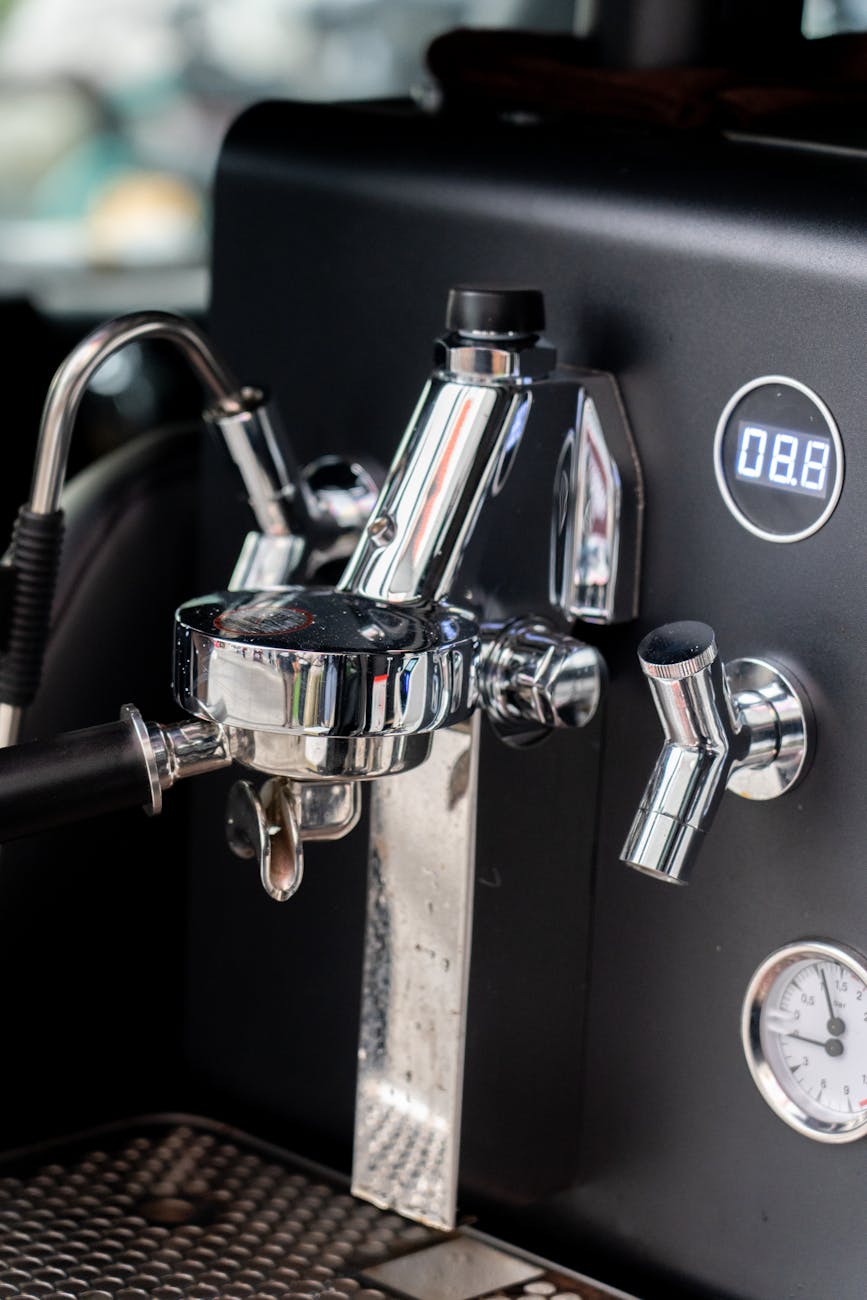
Managing water reservoir levels with automated sensors
For the dedicated manual espresso enthusiast, control is paramount. We meticulously manage grind size, tamping pressure, and extraction variables to achieve the perfect shot. Yet, the water reservoir, the source of our primary ingredient, is often overlooked until it runs dry mid-extraction. This oversight can introduce inconsistency and even risk damage to the machine’s heating element. Automating the monitoring of reservoir levels with sensors offers a sophisticated solution to this common problem. By providing real-time data and alerts, these systems allow for a more controlled, repeatable, and uninterrupted workflow, ensuring the focus remains on the craft of espresso making rather than on basic machine maintenance.
Understanding sensor technology in water reservoirs
Automated water level sensing primarily relies on two types of technology suitable for home espresso applications: capacitive sensors and float switches. A float switch is a mechanical device that uses a buoyant object to physically open or close an electrical circuit as the water level changes. While simple and reliable, they often provide only a binary reading, indicating whether the level is above or below a single set point. In contrast, capacitive sensors are non-contact devices that measure the change in capacitance caused by the presence of water. They can be mounted on the exterior of a non-metallic reservoir and can be calibrated to detect water at a specific level, offering a more precise and cleaner implementation without direct water contact.
Integrating sensors into a manual espresso setup
The practical integration of a water level sensor requires careful consideration of placement and calibration. For external capacitive sensors, the mounting position on the reservoir is critical. It should be placed at the minimum desired water level to provide a timely alert before the reservoir is empty, preventing air from being drawn into the pump and boiler. The sensitivity of the sensor must be calibrated to the thickness and material of the reservoir wall to ensure an accurate reading. The sensor’s output is typically a simple alert, such as an audible alarm or an LED light, which can be integrated into a small, custom-built circuit or a pre-existing smart home system for remote notifications.
The benefits of automated monitoring for workflow
The primary advantage of an automated system is the elimination of manual checks, fostering a more fluid and uninterrupted workflow. When pulling multiple shots or steaming milk, the barista can maintain full focus on the process without the mental distraction of monitoring the water level. This automation prevents the disastrous scenario of a machine running dry, which can cause the pump to lose its prime and, more seriously, lead to the overheating and failure of the boiler’s heating element. By ensuring the machine always has an adequate water supply, automated sensors contribute directly to the consistency of every shot and the longevity of the equipment.
From simple alerts to advanced control
While a basic sensor setup provides a simple alert, more advanced implementations can offer greater control. By connecting the sensor to a microcontroller, it is possible to log water consumption over time, providing insights into usage patterns. For those with plumbed-in machines or automated reservoir-filling systems, the sensor can act as a trigger to activate a solenoid valve, automatically refilling the reservoir to a predetermined level. This creates a fully autonomous water management system, representing the highest level of convenience and control for the home barista. Such a system ensures that the machine is perpetually ready for use without any manual intervention related to its water supply.
Conclusion
Automating the management of water reservoir levels is a logical step for the technically inclined home barista seeking to refine their process. By employing technologies like capacitive sensors, users can eliminate a significant variable and potential point of failure in the espresso-making workflow. This not only enhances consistency from shot to shot but also provides a crucial layer of protection for the machine’s internal components. The result is a more seamless, reliable, and focused brewing experience. For those interested in exploring precise control systems, various tools and components that support such custom modifications are available from retailers like papelespresso.com.


 No products in the cart.