

The impact of real-time feedback on your barista skills
For the dedicated manual espresso enthusiast, the craft is a continuous loop of preparation, extraction, and evaluation. We rely on our senses: the aroma of the grounds, the sound of the pump, the visual cue of the first drops, and the ultimate judgment of taste. This sensory feedback is the cornerstone of a barista’s skill. However, the process is evolving. The integration of tools that provide real-time, quantitative data is fundamentally changing this feedback loop. This shift does not replace sensory skill but rather augments it, offering a deeper, more precise understanding of every variable that contributes to the final cup. For the experienced home barista, mastering this new layer of information is the next step in achieving true consistency and control.
The classic sensory feedback loop
Every manual espresso maker operates within a traditional feedback loop. You assess your puck preparation by feel and sight. During extraction, you watch the stream, noting its color, viscosity, and the time it takes for the first drops to appear. You might even listen to the sound of the machine for signs of channeling. Post-extraction, the primary feedback is taste and aroma. Was it balanced, sour, or bitter? Did it have the intended texture and flavor notes?
This method is effective and forms the foundation of all espresso making. An experienced barista can diagnose a surprising number of issues through these senses alone. A shot that runs too fast and appears pale suggests a coarse grind or a poorly prepared puck. A bitter taste points toward over-extraction. This intuitive process is a craft, but it has inherent limitations when striving for perfect replication or methodical experimentation.
Quantifying extraction variables in real time
The most significant evolution in modern espresso is the ability to see key variables as they happen, not just infer them from the result. Real-time data provides an objective look inside the extraction process, turning previously vague feelings into concrete numbers.
- Pressure profiling: Traditionally, pressure was a fixed machine setting. Now, many machines allow for manual control, and more importantly, display the live pressure at the grouphead. Seeing a pressure curve as you manipulate a lever or paddle allows you to understand the direct relationship between pressure, flow, and puck resistance. You can target specific profiles, such as a long, low-pressure pre-infusion, and confirm you are hitting your marks every time.
- Flow rate: Beyond just timing the shot, tracking the flow rate in milliliters or grams per second offers a granular view of the extraction’s progression. A steady flow rate often correlates with an even extraction, while a sudden spike can be a clear indicator of channeling. This metric provides immediate insight into the puck’s integrity long before the final taste.
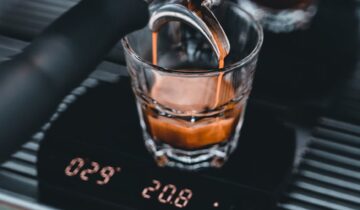
- Real-time weight: Scales that display live weight and time have become standard, but their true power lies in observing the brew ratio develop. You can see precisely when to stop the shot to achieve a 1:2 or 1:2.5 ratio, removing the guesswork that can lead to inconsistent shot volumes and extraction yields.
Connecting data with your sensory experience
The goal of using data is not to replace your senses but to sharpen them. Real-time feedback serves as a bridge, connecting the objective numbers on a screen to the subjective experience of taste, sight, and smell. Over time, you begin to build a powerful mental library of correlations.
For example, you might learn what a peak pressure of 8 bars followed by a steady decline to 6 bars tastes like with a particular coffee. You can begin to associate a specific visual—a rich, syrupy flow—with a measured flow rate of 1.5 grams per second. This synergy is where mastery develops. The data validates what your senses are telling you and helps you diagnose issues when the sensory feedback is ambiguous.
| Variable | Sensory Feedback (Traditional) | Data-Driven Feedback (Real-Time) |
|---|---|---|
| Puck Integrity | Observing the stream for evenness; looking for blonding. | Monitoring flow rate for sudden spikes indicating channeling. |
| Extraction Phase | Watching color change; timing the full shot duration. | Tracking live pressure profiles and brew ratio development. |
| Consistency | Trying to repeat physical movements and timing by feel. | Replicating precise pressure curves, flow rates, and weights. |
Improving consistency and enabling methodical experimentation
Perhaps the greatest impact of real-time feedback is on consistency. Without data, replicating a “perfect shot” can be frustratingly elusive. You might have done everything the same way, but a subtle, unobserved variable throws off the result. When you can monitor and log pressure, flow, and weight, you create a repeatable recipe based on objective parameters. If a shot is successful, you have a blueprint to follow for the next one.
This same principle empowers meaningful experimentation. When you want to explore the effect of a finer grind, you can ensure that your other variables, like pre-infusion pressure and duration, are held constant. This isolates the impact of the grind size on flow dynamics and taste. This methodical approach, guided by data, accelerates learning and allows for a much deeper understanding of cause and effect in espresso extraction.
Conclusion
The journey of a home barista is one of refinement. While the craft remains rooted in sensory evaluation, the integration of real-time data marks a significant step forward. It provides a layer of objectivity that helps us understand, control, and, most importantly, replicate the complex variables at play in every extraction. This data is not a crutch but a tool for calibration, allowing you to connect what you see on a display with what you taste in the cup. By embracing this feedback, we can sharpen our intuition, diagnose problems with greater accuracy, and elevate our skills. For those looking to deepen their craft, exploring the tools that provide this insight is a logical next step, and relevant equipment can be found from specialized retailers like papelespresso.com.


 No products in the cart.