

The pursuit of exceptional espresso at home is a process of controlling variables. For users of manual and semi-automatic machines, one of the most critical decisions in this process is determining when to end the extraction. The two primary methods for this are measuring by volume or by weight. While both can produce a drinkable shot, they are not equal in precision or their ability to deliver repeatable results. Understanding the technical differences between stopping a shot based on its volume versus its mass is fundamental to achieving consistent quality and truly mastering the craft of espresso.
The fundamentals of volumetric dosing
Measuring espresso by volume is a traditional method, originating from an era before the widespread availability of precise digital scales. The practice involves pulling a shot into a glass marked with measurement lines, typically in milliliters or ounces, and stopping the extraction when the liquid reaches the desired level. This approach is visually intuitive and requires minimal equipment.
The core issue with volumetric measurement lies in one of espresso’s most defining characteristics: crema. Crema is a foam of emulsified oils, proteins, and sugars containing microbubbles of carbon dioxide gas. Because it is largely composed of gas, its density is significantly lower than that of the liquid espresso beneath it. The volume of crema can vary dramatically depending on the freshness of the coffee beans. Freshly roasted coffee releases more CO2, producing a thick, persistent crema that can account for a substantial portion of the shot’s total volume. As beans age and degas, the amount of crema produced diminishes.
Consequently, two shots that both measure 40 ml in volume can have a very different mass, and therefore a different amount of dissolved coffee solids. This variability makes volume an unreliable proxy for the actual beverage yield, leading to frustrating inconsistency in taste and extraction.
Gravimetric precision: measuring by weight
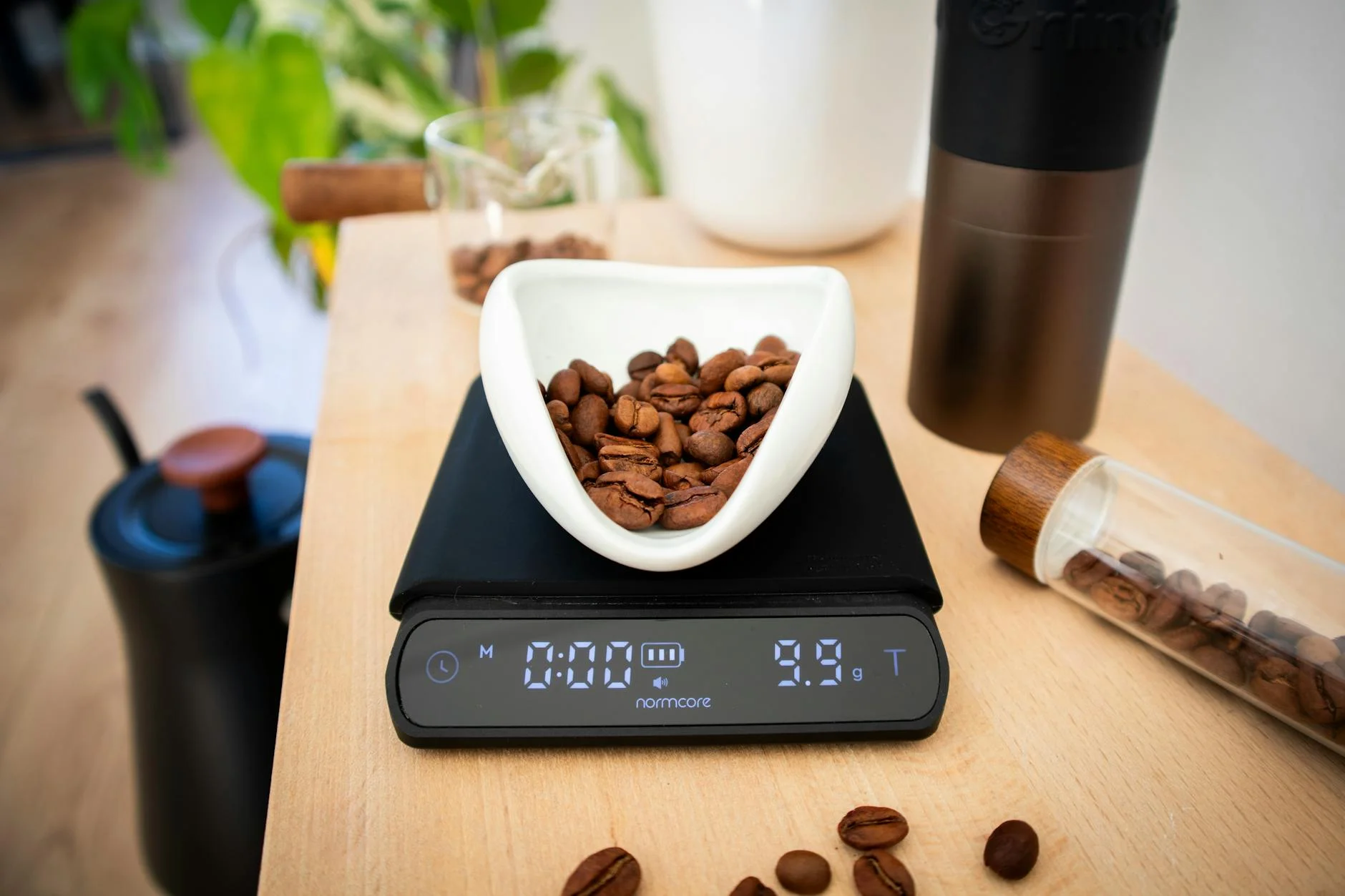
The alternative, and far more precise, method is to measure the espresso shot by weight, also known as gravimetric measurement. This involves placing a cup on a digital scale, taring the scale to zero, and stopping the extraction once the desired weight in grams is reached. This is the standard methodology used in specialty coffee competitions and professional cafe environments for good reason.
Mass is a direct measurement of matter, unaffected by the presence or volume of crema. A gram of espresso is a gram of espresso, whether it is in liquid or foam form. By measuring weight, a barista can control the brew ratio with exacting precision. A brew ratio is the relationship between the mass of the dry coffee grounds (the dose) and the mass of the resulting liquid espresso (the yield). For example, a common 1:2 ratio using 18 grams of coffee grounds would target a 36-gram liquid yield. This level of control allows for methodical adjustments and ensures that every shot is prepared according to the same precise recipe, isolating other variables like grind size or temperature for targeted adjustments.
How measurement method impacts shot consistency
The practical difference between these two methods becomes most apparent when comparing shots pulled with beans at different stages of resting. The following table illustrates how the measurement method affects the actual yield depending on the age of the coffee.
| Scenario | Stop-by-Volume Target (40 ml) | Stop-by-Weight Target (36 g) |
|---|---|---|
| Freshly Roasted Beans (High Crema) | Actual yield might be only 28–32g due to crema’s large volume. The shot is effectively a shorter, potentially under-extracted ratio. | Yield is precisely 36g. The total volume might be 50ml or more, but the brew ratio is correct and the extraction is consistent. |
| Rested Beans (Low Crema) | Actual yield might be 38–40g as there is less foam. The shot is now a longer, potentially over-extracted ratio. | Yield remains precisely 36g. The total volume will be lower than with fresh beans, but the brew ratio and resulting taste profile are consistent. |
Workflow and equipment considerations
For the manual espresso user, integrating a gravimetric workflow requires adding a coffee scale to the setup. The scale must be responsive and small enough to fit on the machine’s drip tray. The process involves starting the extraction and carefully monitoring the real-time weight display, stopping the shot just before the target is reached to account for the last few drips that fall into the cup.
While this adds a step compared to simply watching a volumetric line on a glass, the feedback it provides is invaluable. It transforms dialing in a new coffee from a frustrating guessing game into a methodical process. By locking in the dose and yield via weight, the barista can make singular, controlled adjustments to grind size to alter shot time and flavor. This disciplined approach is the fastest path to understanding how to manipulate variables to achieve a desired taste profile.
Conclusion
While stopping an espresso shot by volume is a long-standing practice, it is inherently less precise than measuring by weight. The variable nature of crema makes volume an inconsistent indicator of the true beverage yield, leading to fluctuations in strength and extraction. For the experienced home barista committed to repeatability and excellence, adopting a gravimetric workflow is a non-negotiable step forward. Measuring by weight removes a significant variable from the equation, providing the control needed to produce consistently delicious espresso. This focus on precision elevates the craft and allows for a deeper understanding of the coffee itself. For those looking to refine their technique, the necessary tools are available from retailers like papelespresso.com.
 No products in the cart.