

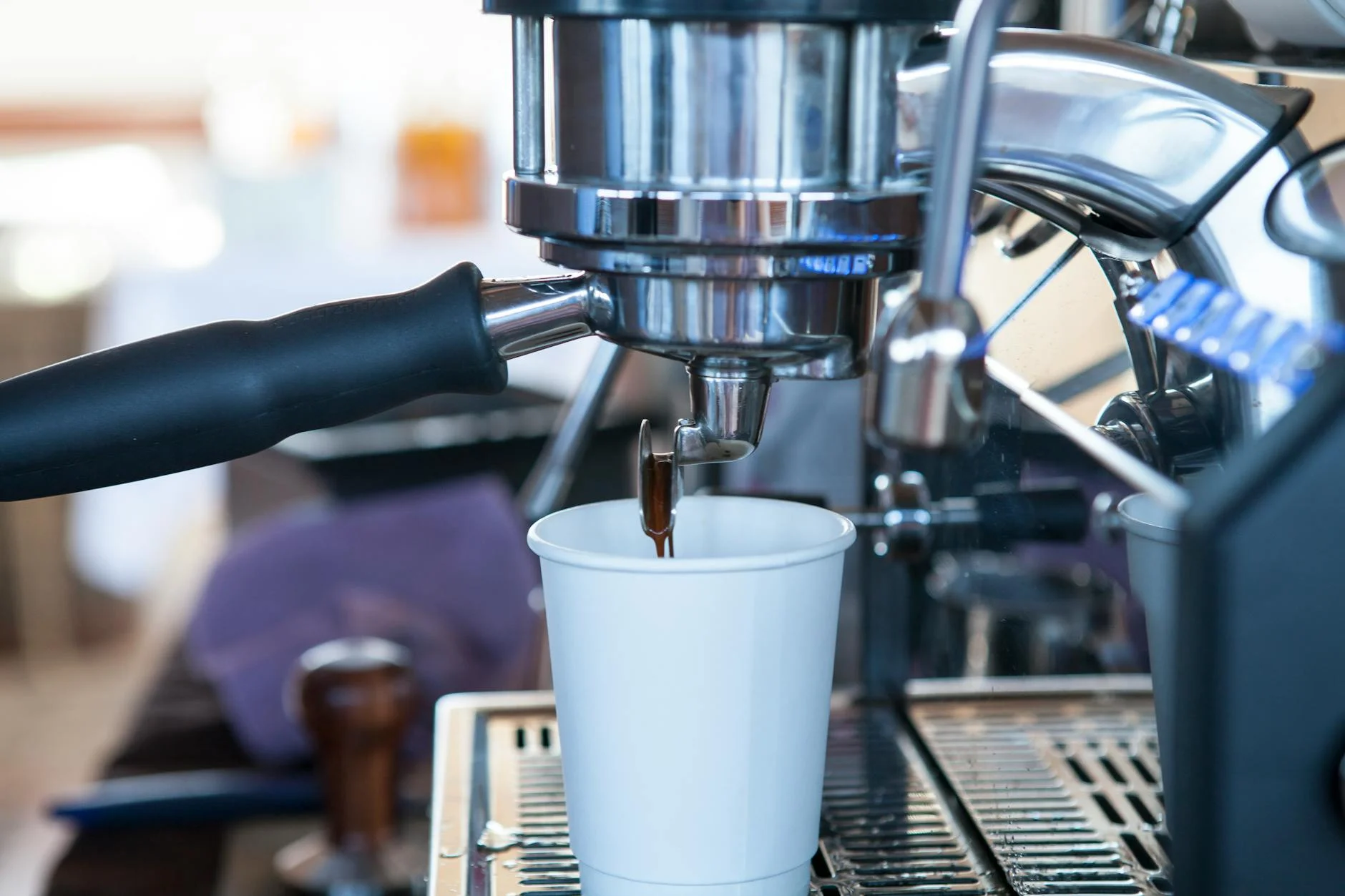
Integrating smart scales with Arduino-modded espresso machines
The pursuit of the perfect espresso shot is a journey of precision, consistency, and control. For experienced home baristas, manual and semi-automatic machines offer a level of hands-on engagement that is both rewarding and challenging. Modifying these machines with Arduino microcontrollers has opened up new frontiers in customization, allowing users to fine-tune variables like temperature and pressure. Integrating a smart scale into this ecosystem is the logical next step, creating a feedback loop that ties brew weight and flow rate directly into the extraction process. This integration transforms the scale from a passive measuring device into an active component of your brewing system, enabling automated, weight-based shot stopping and real-time flow profiling for unparalleled consistency.
Understanding the role of gravimetrics in espresso
Gravimetrics, or brewing by weight, has become a standard for achieving repeatable results in manual espresso preparation. While timing a shot is a useful proxy, the actual mass of the liquid espresso is a far more accurate measure of extraction. Factors like puck preparation, grind size, and bean freshness can cause the flow rate to vary from one shot to the next. Relying solely on a timer can lead to inconsistent yields and, consequently, variable extraction and taste.
A smart scale provides the necessary data, but integrating it with an Arduino-modded machine elevates its function. Instead of manually stopping the shot when the scale reaches the target weight, the machine can do it automatically. This removes human reaction time from the equation, ensuring the target yield is hit with pinpoint accuracy every time. Furthermore, this setup allows for more advanced techniques, such as programming custom flow profiles that adjust pump pressure based on the current weight and flow rate, a level of control typically reserved for high-end commercial machines.
Core components for integration
The bridge between a smart scale and an Arduino-controlled espresso machine relies on a few key components and a clear understanding of how they communicate. The primary elements involved are:
- Arduino microcontroller: This is the brain of the operation. An Arduino board (such as an Uno or Nano) reads data from the scale and sends commands to the espresso machine’s pump or solenoid valve.
- Smart scale with data output: Not all scales are suitable for this task. A compatible scale must have a way to transmit weight data in real time, typically via a serial or Bluetooth connection. Many popular coffee scales offer this functionality.
- Load cell and amplifier: For a more custom approach, you can build your own scale using a load cell and an HX711 amplifier. This combination measures the force (weight) and the amplifier converts the analog signal from the load cell into a digital format that the Arduino can read.
- Solid-state relay (SSR): To control the espresso machine’s pump, which operates on mains voltage, a relay is necessary. An SSR allows the low-voltage Arduino to safely switch the high-voltage pump on and off.
The successful integration of these components hinges on establishing a reliable communication pathway. The scale sends a constant stream of weight data to the Arduino, which processes this information and executes pre-programmed logic to control the relay, thereby starting and stopping the extraction.
Establishing a communication protocol
The most critical technical step is getting the scale and the Arduino to talk to each other. The method depends on the scale’s capabilities. If using a commercial smart scale, it will likely output data over a serial connection (wired or Bluetooth). You will need to understand the scale’s specific data protocol—the format in which it sends weight information. This often involves parsing a string of characters to isolate the numerical weight value. Manufacturers sometimes provide documentation for this, but community forums are also a valuable resource.
For DIY scales using an HX711 amplifier, communication is more direct. Libraries are readily available for the Arduino IDE that simplify the process of reading data from the HX711. The primary challenge here is calibration: ensuring the raw data from the load cell is accurately converted into grams. This involves a calibration routine in the Arduino code where you weigh a known mass and set a calibration factor.
| Parameter | Description | Common Value |
|---|---|---|
| Baud Rate | The speed of data transmission over a serial connection. Both devices must use the same rate. | 9600 or 115200 |
| Data Format | The structure of the data packet sent by the scale. | ASCII string (e.g., “ST,0015.5g”) |
| Tare Command | The command sent to the scale to zero it out. | Often a specific character like ‘t’ or ‘z’. |
Programming logic for automated brewing
With the hardware connected, the final piece is the Arduino code. The logic can be as simple or as complex as you desire. A basic implementation would involve taring the scale once a cup is placed on it, starting a timer when the pump is activated, and cutting power to the pump via the relay once the desired brew weight is reached. This simple automation alone significantly improves shot-to-shot consistency.
More advanced programming can introduce features like pre-infusion and flow profiling. For example, the code could be written to run the pump for a few seconds, pause for a pre-infusion phase, and then re-engage the pump. By continuously monitoring the rate of weight increase (the flow rate), the Arduino can even modulate the pump’s power (using a suitable controller) to maintain a target flow rate, emulating the capabilities of sophisticated modern machines. This level of control allows for deep experimentation with extraction dynamics.
Conclusion
Integrating a smart scale with an Arduino-modded espresso machine is a project that bridges the gap between manual control and automated precision. It elevates the role of the scale from a simple measurement tool to an integral part of the brewing process, enabling gravimetric automation and real-time flow analysis. While it requires a foundational understanding of electronics and programming, the result is a significant enhancement in consistency and the ability to explore advanced extraction techniques. This modification empowers the home barista to eliminate a key variable—shot weight—and focus more on the nuances of grind, distribution, and taste. For those looking to push the boundaries of their equipment, the necessary tools and components are often available from specialized suppliers like papelespresso.com.


 No products in the cart.