

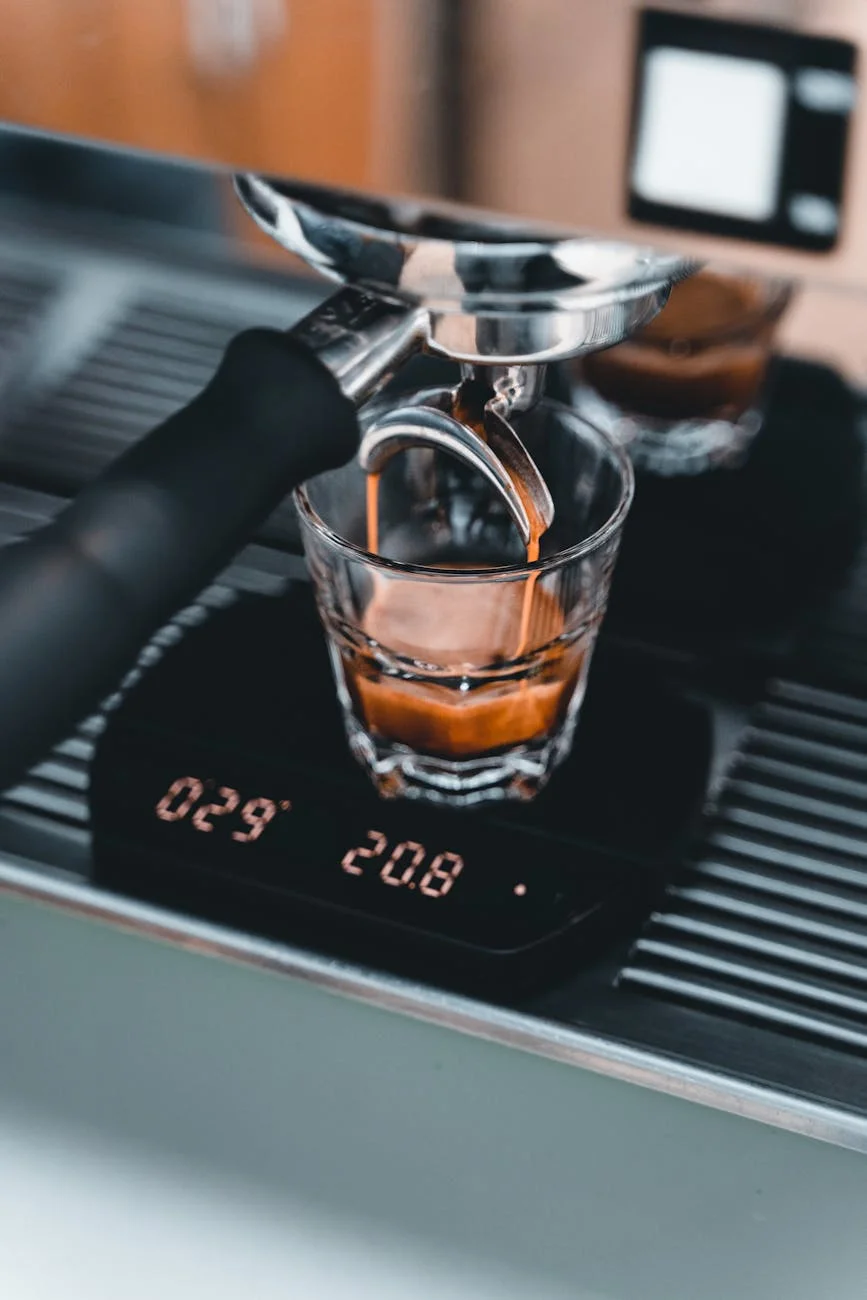
The role of pre-infusion in preventing espresso channeling
For the dedicated home barista, few things are as frustrating as a misbehaving espresso shot. You can have the perfect grind, a precise dose, and a meticulous tamping technique, only to see the shot blond and gush, producing a thin, acidic, and disappointing cup. This is often the result of channeling, a common issue where water punches holes through the coffee puck instead of flowing through it evenly. For users of manual and lever-based espresso machines, understanding the underlying mechanics of puck saturation is key. Pre-infusion, the gentle wetting of the coffee grounds before applying full pressure, is one of the most effective techniques to mitigate channeling and achieve a balanced, consistent extraction.
Understanding the mechanics of channeling
Channeling occurs when water finds a path of least resistance through the coffee puck. Instead of uniformly saturating the grounds, it exploits fractures or areas of lower density, leading to localized over-extraction along the channel and under-extraction elsewhere. The result is a cup that is simultaneously sour and bitter. Several factors contribute to this phenomenon, including an uneven grind distribution, poor tamping technique, or an unstable coffee bed.
When high-pressure water hits a dry, compressed puck, it can easily fracture the surface, especially if there are any pre-existing weaknesses. These micro-fractures quickly erode into larger channels, and the extraction becomes unsalvageable. The goal of any effective puck preparation technique is to create a homogenous, evenly dense bed of coffee that can withstand the force of extraction without fracturing.
How pre-infusion stabilizes the coffee puck
Pre-infusion addresses the root cause of channeling by fundamentally changing the state of the coffee grounds before extraction begins. It involves introducing water to the puck at a very low pressure, typically between one and four bars, for a period of several seconds. This gentle introduction allows the coffee grounds to swell and absorb water, effectively sealing any micro-fractures or empty pockets within the puck.
This initial wetting phase serves two primary purposes:
- Particle saturation: As the coffee grounds absorb water, they expand. This swelling action helps to create a more cohesive and uniform puck structure, reducing the likelihood of weak spots that could otherwise turn into channels.
- Air displacement: The low-pressure water gently displaces any trapped air within the puck. Releasing this air prevents the high-pressure water during the main extraction from creating disruptive pockets or fissures.
By transforming the dry, brittle puck into a saturated and pliable mass, pre-infusion prepares it to handle the subsequent application of nine bars of pressure without breaking down.
Controlling pre-infusion variables
The effectiveness of pre-infusion depends on the careful management of its two main variables: time and pressure. There is no single universal recipe, as the optimal parameters depend on the coffee’s age, roast level, and grind size. Manual espresso machines offer the user direct control over this process, allowing for real-time adjustments.
A longer pre-infusion time allows for deeper saturation, which can be beneficial for lighter roasts or denser beans. However, an excessively long pre-infusion can lead to a soupy puck that offers little resistance, resulting in a fast, under-extracted shot. Similarly, the pressure used during this phase is critical. A gentle, low-pressure start is essential. Ramping up the pressure too quickly can be just as damaging as hitting the puck with the full nine bars from the outset.
Applying pre-infusion in practice
For manual espresso machine operators, pre-infusion is an intuitive process. It often involves lifting the lever just enough to allow water from the brew boiler to flow into the group head, saturating the puck under minimal pressure. The barista can watch for the first drops of espresso to appear at the bottom of the portafilter, a visual cue that the puck is fully saturated. At this point, the lever is fully engaged to ramp up to full extraction pressure.
This hands-on approach provides unparalleled feedback and control. Baristas can learn to feel the resistance of the puck through the lever and make micro-adjustments to the pre-infusion time and pressure based on the specific coffee being used. This level of control is fundamental to mastering espresso extraction and consistently avoiding the pitfalls of channeling.
Conclusion
Pre-infusion is not a magic bullet, but it is a foundational technique for achieving uniform and repeatable espresso extractions. By gently saturating the coffee puck before applying full pressure, it creates a stable, homogenous structure that is far less susceptible to channeling. For the experienced home barista, mastering pre-infusion transforms the brewing process from a game of chance into an exercise of precise control. Understanding these mechanics allows for a more thoughtful approach to puck preparation and extraction, ultimately leading to a superior cup. Fine-tuning this and other aspects of the espresso workflow can be aided by a range of quality accessories available from retailers like papelespresso.com.
 No products in the cart.