

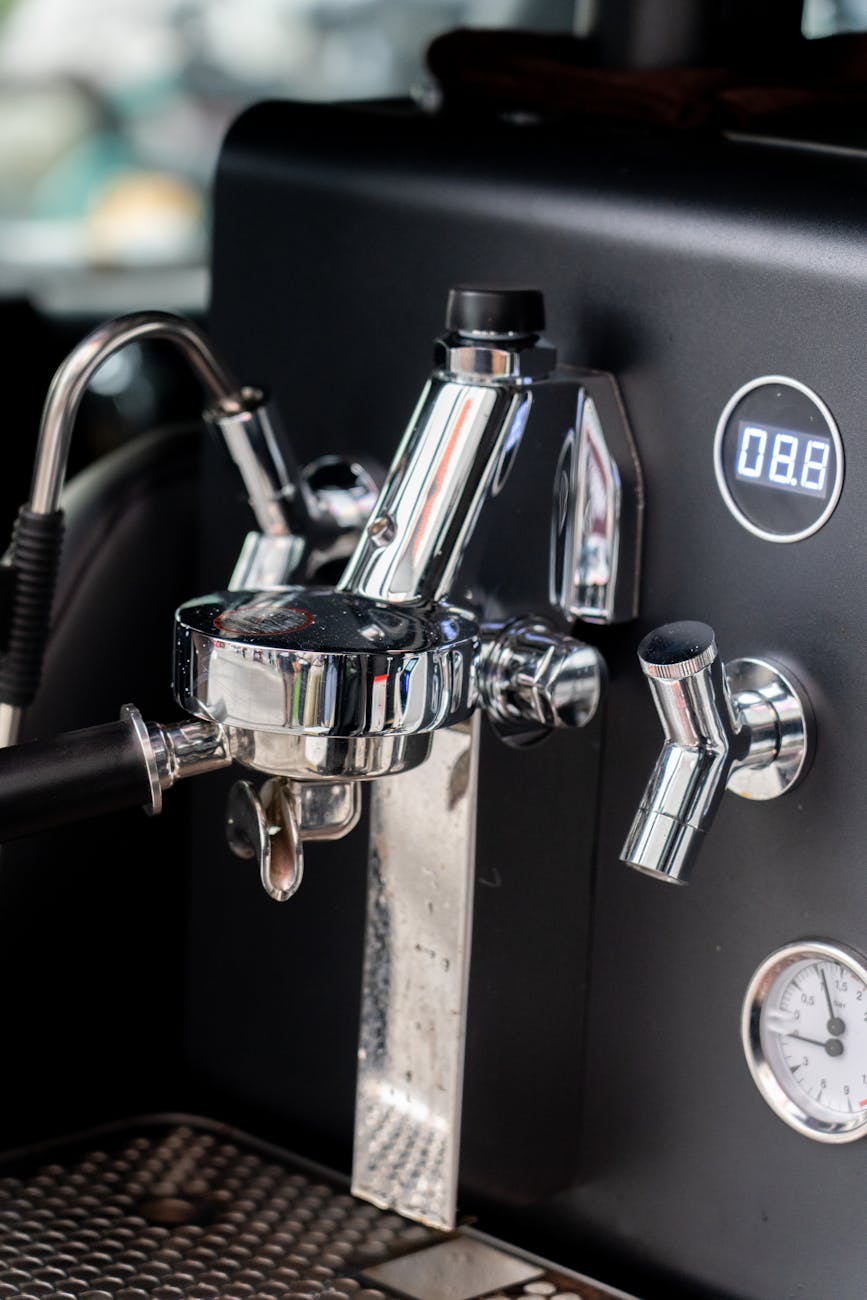
Welcome to an in-depth exploration of pressure profiling for medium and dark roast coffees. For the experienced home barista, moving beyond standard 9-bar extractions opens up a world of flavor modulation. Manual and pressure-profiling-capable espresso machines offer direct control over one of the most influential variables in extraction: pressure. By manipulating the pressure throughout the shot, you can directly influence the dissolution of flavor compounds, mitigate bitterness, and enhance textural components like body and crema. This guide will provide a technical framework for developing custom pressure profiles tailored to the unique characteristics of medium and dark roasts, helping you achieve a more nuanced and balanced cup. The focus here is on practical application, moving from theory to tangible results in your daily espresso routine.
Understanding the mechanics of pressure profiling
Pressure profiling is the deliberate manipulation of pump pressure at different stages of an espresso extraction. A typical shot can be divided into three key phases: pre-infusion, infusion (or ramp-up and hold), and post-infusion (or ramp-down). During pre-infusion, a low pressure (typically 2–4 bars) is applied to gently saturate the coffee puck. This helps to settle the grounds, reduce the risk of channeling, and begin the extraction process in a controlled manner. The main infusion phase is where the pressure is increased to its target, traditionally around 9 bars, to dissolve the majority of the coffee solids. The final phase involves a gradual or stepped decrease in pressure. By controlling the pressure and duration of each phase, a barista can selectively extract different compounds. For example, a longer, lower-pressure pre-infusion can help to evenly saturate less soluble grounds, while a tapering pressure at the end of the shot can reduce the extraction of bitter-tasting compounds that tend to dissolve later.
Profiling for medium roasts
Medium roasts occupy a balanced space in the coffee spectrum, offering a blend of origin-specific acidity and sweetness with developing roast characteristics. The goal with a medium roast is often to highlight this complexity without introducing excessive bitterness. A common issue with standard 9-bar extractions for medium roasts is the potential for astringency, especially if the coffee has a delicate flavor profile. A great starting point for a custom profile is a gentle pre-infusion at 3 bars for 8–10 seconds. This allows the puck to become fully saturated, which is crucial for an even extraction. Following this, a gradual ramp-up to 8 or 9 bars helps to build a rich body. Instead of holding at peak pressure, consider a “blooming” or “holding” phase at a mid-range pressure, such as 6 bars, for a few seconds before ramping to the peak. This can help to coax out sweetness. Finally, a slow ramp-down to 5 or 6 bars during the last third of the shot can smooth out the finish and prevent the extraction of harsh flavors. This tapering pressure reduces the flow rate, which can help to maintain a richer texture.
Tailoring profiles for dark roasts
Dark roasts are characterized by their lower density, increased porosity, and higher solubility. The cell structure of the bean is more brittle, making it more susceptible to over-extraction and the release of bitter compounds. The primary objective when creating a pressure profile for a dark roast is to manage this solubility and avoid harshness. A very short and gentle pre-infusion is key. Aim for 2 bars for no more than 5–7 seconds. This is just enough to wet the puck without beginning a significant extraction. A lower peak pressure is often beneficial; consider targeting 7–8 bars instead of the traditional 9. This gentler pressure helps to prevent the puck from fracturing and reduces the extraction of carbonized flavors. The most critical part of the profile is a significant and early pressure decline. Begin to taper the pressure down as soon as the shot reaches a 1:1 brew ratio. A gradual decrease to 4–5 bars for the remainder of the shot will help to build a heavy, viscous body while minimizing bitterness. This approach favors the extraction of oils and sugars, resulting in a classic, rich dark roast espresso.
A practical approach to developing profiles
Developing your own pressure profiles is an iterative process that requires careful observation and methodical adjustments. It is essential to change only one variable at a time to understand its impact. Start with a baseline profile, perhaps one recommended by your machine’s manufacturer or a simple pre-infusion followed by a standard extraction. From there, make small changes to one phase of the shot. For example, you might extend the pre-infusion by two seconds or lower the peak pressure by half a bar. Taste the resulting shot and take notes. Is it more balanced? Did the acidity change? Is the finish cleaner? Using a consistent dose and grind size is paramount for accurate assessment. A notebook or a simple spreadsheet can be invaluable for tracking your parameters and tasting notes. Over time, you will build a library of profiles that work well for different types of coffee, allowing you to adapt quickly to a new bag of beans.
Mastering pressure profiling is a journey that rewards patience and precision. By understanding how pressure influences extraction, you can craft profiles that accentuate the best qualities of your medium and dark roast coffees. The ability to move beyond a fixed pressure curve allows for a deeper engagement with the craft of espresso, turning a daily ritual into a continuous exploration of flavor. From managing the bright acidity of a medium roast to taming the robust intensity of a dark one, custom pressure profiles offer an unparalleled level of control. As you refine your techniques, you may find that specialized tools for puck preparation and distribution can further enhance your consistency, and many such implements are available through retailers like papelespresso.com.


 No products in the cart.