

Electrical safety basics for espresso machine modifications
Modifying a manual espresso machine offers a path to greater control and precision, but it introduces complexities that go beyond plumbing and pressure. For the experienced home barista, understanding the fundamentals of electrical safety is not just an accessory skill—it is a prerequisite. Altering internal components, from heating elements to control boards, requires a deliberate and informed approach to handling live circuits. This article provides a clear, technically grounded overview of the essential electrical safety principles that every enthusiast should understand before opening their machine. The goal is to foster a culture of safety and respect for the power that allows us to brew exceptional coffee.
Understanding core electrical concepts
Before attempting any modification, it is crucial to understand the three fundamental concepts of electricity: voltage, current, and resistance. Voltage (measured in volts, V) is the electrical potential difference between two points, akin to water pressure in a pipe. Current (measured in amperes, A) is the rate at which electric charge flows, similar to the volume of water flowing through the pipe. Resistance (measured in ohms, Ω) is the opposition to current flow. These three are related by Ohm’s Law: Voltage = Current × Resistance.
Most home espresso machines in North America operate on a 110-120V alternating current (AC) supply, while those in Europe and other regions typically use 220-240V. This difference is critical; installing a component rated for the wrong voltage can lead to immediate failure or a serious safety hazard. Always verify the voltage and current ratings of your machine and any new components you intend to install.
The critical role of proper grounding
Grounding is arguably the most important safety feature in any electrical appliance. An espresso machine’s metal chassis is connected directly to the earth via the ground wire in its power cord—usually a green or green-and-yellow wire. This provides a safe path for fault current to flow. If a live wire accidentally touches the metal frame of the machine due to a loose connection or insulation failure, the ground connection ensures the current flows directly to the earth, tripping the circuit breaker and disconnecting the power. Without a proper ground, the machine’s metal exterior could become energized, creating a severe risk of electric shock upon contact.
When working on your machine, always ensure the ground wire is securely fastened. Never operate a machine with a damaged or removed ground connection. Using a multimeter to check for continuity between the chassis and the ground pin on the power plug is a simple, effective way to verify that the grounding is intact.
Safe practices for working on your machine
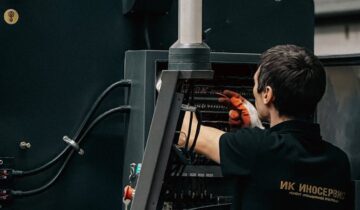
Adherence to a strict safety protocol is non-negotiable. The first and most important step is to always unplug the machine from the wall outlet before opening the casing. Do not rely solely on the power switch, as it may not disconnect all circuits. After unplugging, it is wise to wait a few minutes to allow any capacitors within the machine’s electronics to discharge.
Use insulated tools designed for electrical work to minimize the risk of short circuits or shock if you accidentally touch a component that has retained a charge. Keep your workspace dry and well-lit. When replacing wires, use the same or a higher gauge (a lower AWG number) to ensure it can handle the required current. Pay close attention to wire insulation; it should be rated for the temperatures and voltages present inside the machine. High-temperature environments, such as those near the boiler, require specific silicone or fiberglass-insulated wiring.
Common modifications and their electrical implications
Many popular espresso machine modifications involve interacting directly with the electrical system. Installing a PID (Proportional-Integral-Derivative) controller, for instance, requires rerouting the power that originally went to the mechanical thermostat. This involves cutting, stripping, and connecting wires that lead to the heating element. It is essential that these new connections are secure and properly insulated using heat-shrink tubing or ceramic wire nuts to prevent shorts.
Upgrading a heating element is another common modification. This task demands careful attention to the new element’s power rating (in watts). A more powerful element will draw more current. You must verify that the machine’s internal wiring and the circuit it is plugged into can handle the increased load. Overloading the circuit is a significant fire hazard. Always ensure the new component is compatible with your machine’s electrical specifications and that all connections are tightened to the manufacturer’s torque recommendations to prevent overheating at the terminals.
Conclusion
Modifying an espresso machine can be a deeply rewarding experience, but it demands a serious and educated approach to electrical safety. A foundational understanding of voltage and current, a respect for the vital role of grounding, and a disciplined work process are essential. Always de-energize the machine completely before you begin, use the correct tools, and verify the compatibility of any new components. By prioritizing safety, you protect yourself and ensure your machine will continue to operate reliably for years to come. For those looking to equip themselves properly, various tools and components that support safe and effective modifications are available from suppliers like papelespresso.com.

 No products in the cart.