

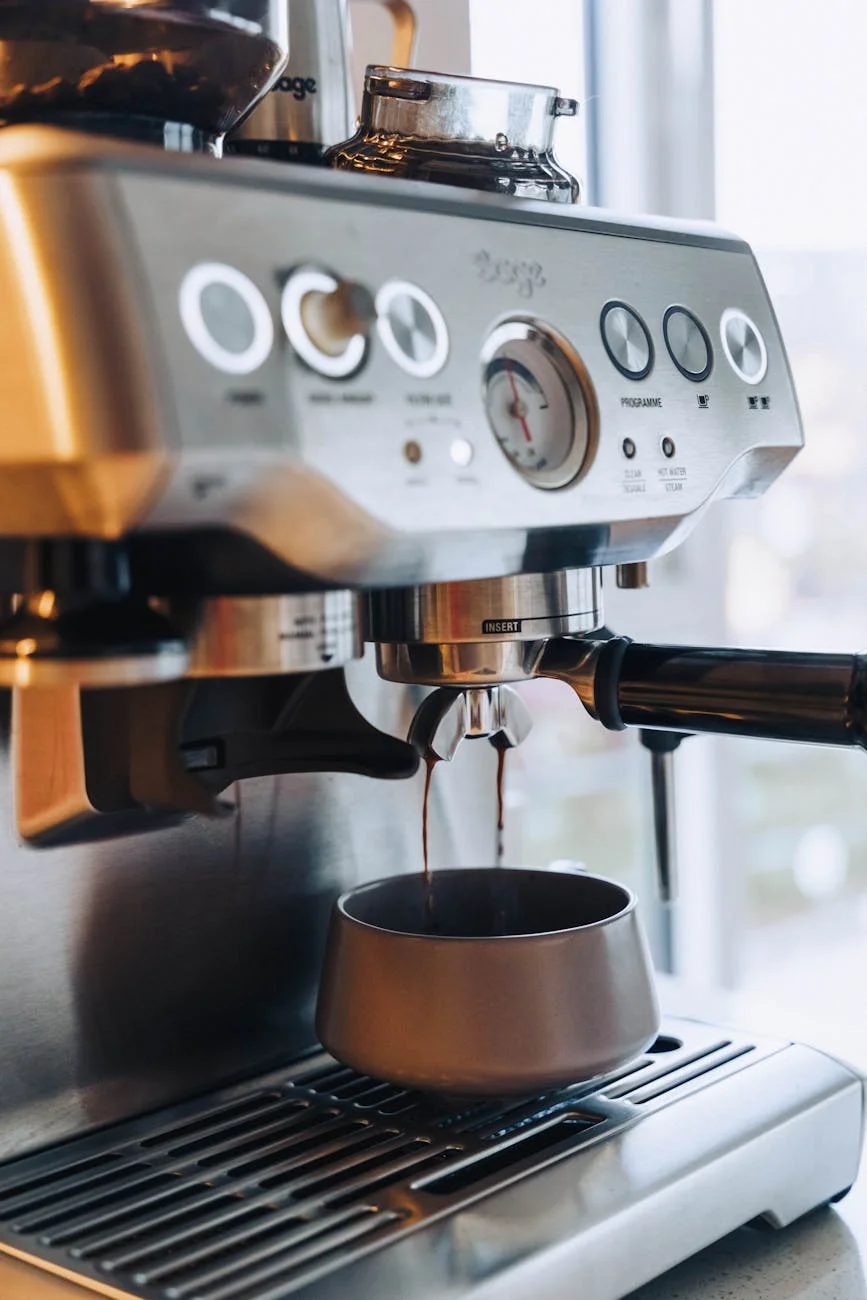
For baristas accustomed to the tactile feedback of a manual or semi-automatic espresso machine, extraction time is a foundational metric. The ubiquitous 25 to 30 second shot is a benchmark for judging grind size, dose, and puck preparation. When transitioning to a super-automatic machine like the Gaggia Anima, observing a shot complete in 15 or 20 seconds can be jarring. This article explains the mechanical differences that account for this variance, helping experienced users understand what to expect from this machine and why the familiar rules of manual espresso do not directly apply.
The goal is not to dismiss the principles of good extraction, but to re-contextualize them for a closed-system brew group designed for consistency and convenience.
Deconstructing the super-automatic brew unit
Unlike a traditional setup where the barista manages grinding, dosing, distributing, and tamping as separate actions, a super-automatic machine integrates these steps into a single, automated brew unit. This mechanical distinction is the primary reason for the difference in extraction time. The Gaggia Anima’s internal system grinds beans on demand, drops the grounds into a brew chamber, and tamps them with a calibrated, automated piston.
A key difference lies in the tamping pressure. The Anima’s automated tamp is engineered to be lighter and less forceful than the 30 pounds of pressure a barista might apply manually. This creates a coffee puck that is intentionally less dense. Consequently, water meets less resistance as it passes through the grounds, leading to a significantly faster flow rate and a shorter overall extraction time. The system is designed this way to ensure shot-to-shot consistency without user intervention and to prevent the brew unit from stalling.
Why the 25-30 second benchmark is not applicable
The 25 to 30 second guideline for manual espresso is a means to an end, not the end itself. It is a proven timeframe for achieving a balanced extraction with a typical 1:2 brew ratio (e.g., 18 grams of coffee yielding a 36-gram liquid shot) under approximately 9 bars of pressure. The Gaggia Anima operates on a different set of parameters.
The Anima uses a smaller dose, typically ranging from 7 to 11 grams, depending on the selected aroma strength. The combination of this smaller coffee mass and the lighter automated tamp means that a much shorter contact time is required to extract a similar volume of liquid. Forcing the Anima to conform to a 30-second pull by grinding extremely fine would likely choke the machine or produce a highly over-extracted, bitter shot. The machine’s hydraulics and brew chamber are engineered for a faster, lower-resistance extraction that aligns with its specific dose and tamp parameters.
Typical extraction times and volumes for the Gaggia Anima
Understanding the Anima’s intended performance helps set realistic expectations. Rather than chasing a specific number, it is more useful to observe the relationship between settings and the resulting shot quality. The time from the first drop of coffee to the end of the pour is the most relevant measurement.
The following table provides a general guide to what you might expect. These times are approximate and will vary based on bean type, roast level, and machine calibration.
| Program | Typical Dose Range | Expected Extraction Time | Default Volume |
|---|---|---|---|
| Espresso | Medium to High | 15–22 seconds | ~1.5 oz (45 ml) |
| Espresso Lungo | Low to Medium | 20–28 seconds | ~3.0 oz (90 ml) |
It is important to focus on the taste in the cup. If an espresso pulled in 18 seconds tastes balanced and sweet, then that is the correct extraction time for that coffee on that machine.
Adjusting variables on a closed system
While a super-automatic offers less control than a manual machine, the user is not without influence over the extraction. For the experienced barista, the key is to master the available variables to steer the shot toward the desired flavor profile.
- Grind Setting: This is the most effective tool. The Anima features a multi-step ceramic burr grinder. A finer grind setting will increase resistance and slow down the extraction, while a coarser setting will speed it up. Adjustments should be made one click at a time while the grinder is running.
- Aroma Strength: The “Optiaroma” feature controls the dose. Increasing the aroma strength adds more coffee to the brew chamber. A larger dose will naturally slow the flow of water, extending the extraction time and increasing the shot’s body.
- Coffee Selection: The machine’s performance is highly dependent on the beans used. Very oily, dark roasts can clog the grinder and brew unit, leading to inconsistent dosing and stalled shots. Medium roast, low-oil beans are generally ideal for super-automatic machines and will provide the most consistent results.
By manipulating grind and dose, you can find a combination that produces a balanced, flavorful espresso, regardless of whether the final time is 17 seconds or 22 seconds.
Conclusion
For a barista skilled in manual espresso, the Gaggia Anima requires a shift in perspective. Its rapid extraction time is not a flaw but a deliberate design characteristic of its integrated, low-pressure tamping system. The standard 25 to 30 second benchmark, born from the world of 18-gram doses and heavy manual tamps, is simply the wrong metric for this style of machine. The focus should instead be on the final taste of the beverage. By methodically adjusting the available grind and aroma strength settings, one can dial in a superb shot that honors the coffee’s potential, proving that excellent espresso is about mastering the system you have. For users looking to complement their setup, a variety of accessories and tools are available from retailers like papelespresso.com.

 No products in the cart.