

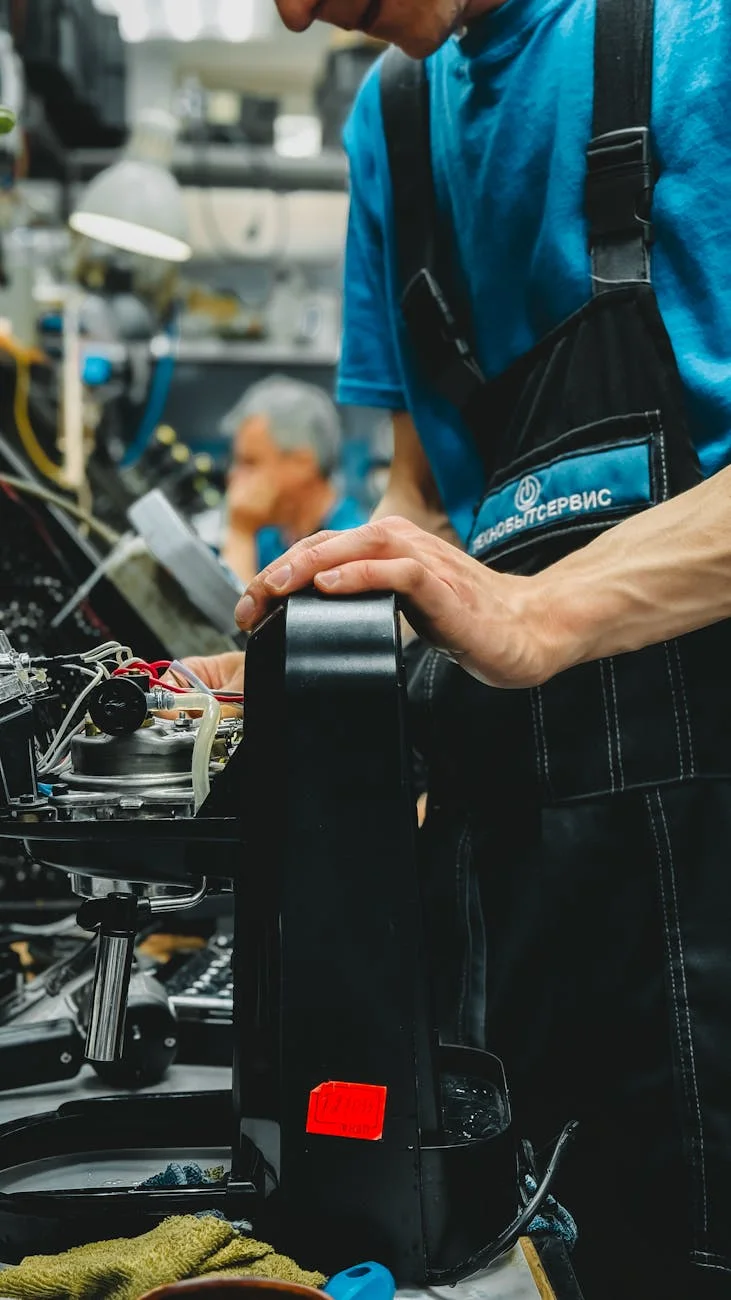
Fixing air leaks in the Gaggia Anima milk frother system
The Gaggia Anima series provides a capable super-automatic espresso experience, yet its performance is fundamentally tied to the integrity of its milk frothing system. For the discerning home barista, achieving consistent microfoam is not a luxury but a requirement. The Anima’s cappuccinatore, or auto-frother, relies on a precise balance of steam pressure and vacuum, created by the Venturi effect, to draw and texture milk. An air leak, even a minor one, can disrupt this delicate balance, leading to subpar milk texture and frustrating inconsistency. Understanding the common failure points in this system is the first step toward diagnosing and resolving these issues, ensuring the machine operates at its full potential.
Understanding the frothing mechanism
The Gaggia Anima’s milk carafe system is an external cappuccinatore. It operates by forcing high-velocity steam through a small nozzle. This action creates a low-pressure zone, or vacuum, that performs two functions simultaneously: it siphons milk up from the carafe through a silicone tube and draws in a small, controlled amount of air through a separate intake. The steam, milk, and air are then violently mixed in a chamber, texturing the milk before it is dispensed. The entire process depends on a sealed, closed loop. If an unintended air leak occurs anywhere between the steam boiler and the frothing chamber, the vacuum is compromised, and the system can no longer draw milk effectively.
Symptoms of a compromised seal
Identifying an air leak often begins with observing the symptoms during a milk cycle. A properly functioning system produces a steady, consistent stream of frothed milk. When an air leak is present, one or more of the following issues will typically manifest:
- Sputtering or pulsing: Instead of a smooth stream, the machine sputters, dispensing bursts of steam and intermittent squirts of milk. This indicates the vacuum is repeatedly failing and re-engaging.
- Watery or thin foam: If the system cannot draw enough milk due to a weak vacuum, the resulting ratio of steam-to-milk will be too high, producing hot, thin milk with large bubbles rather than velvety foam.
- Failure to draw milk: In cases of a significant leak, the vacuum may be too weak to lift the milk from the carafe at all. The machine will simply dispense hot steam and a small amount of water.
These symptoms are not signs of a machine malfunction in the traditional sense, but rather a simple failure of a seal at one or more points in the milk circuit.
Isolating the source of the leak
Troubleshooting should be approached systematically, moving from the most accessible external components to the internal seals. The goal is to identify which gasket or connection point is failing. A visual inspection is often sufficient to locate the problem.
The most common points of failure are the O-rings and gaskets that create the necessary seals. Start with the carafe itself, ensuring the lid is seated securely and the intake tube is fully inserted. Next, inspect the main connector where the carafe plugs into the machine. This connection point has a critical O-ring that is subject to wear from repeated use. Finally, trace the path back to the machine’s steam wand spigot, which also relies on internal seals to prevent pressure loss.
| Symptom | Potential Cause | Primary Area to Inspect |
|---|---|---|
| Intermittent sputtering and poor foam | A minor or intermittent seal failure | Carafe lid seal; O-ring on the main machine connector |
| No milk suction, only steam is dispensed | Complete loss of vacuum or a blockage | Disconnected internal milk tube; severely damaged or missing O-ring |
| Inconsistent results from day to day | A seal that is hardening or becoming displaced | All O-rings for signs of drying, cracking, or flattening |
Component maintenance and replacement
Once a potential failure point is identified, the solution is typically straightforward. The primary components to service are the silicone and rubber seals. Over time, these parts can become dry, brittle, or flattened, losing their ability to seal effectively. Regular cleaning is essential, but proper maintenance goes further.
Disassemble the connector components and carafe lid, washing them with warm water and a mild detergent to remove milk residue. Carefully inspect each O-ring for signs of damage, such as cracks, nicks, or a loss of roundness. A flattened O-ring will not provide adequate pressure to create a seal. To prolong the life of these seals and ensure a robust connection, apply a very thin layer of a food-safe silicone lubricant. This helps the O-ring seal correctly without twisting or pinching and prevents it from drying out prematurely.
Conclusion
Achieving consistent milk texture with the Gaggia Anima is not about complex techniques but rather about diligent maintenance of its sealing components. The system’s reliance on a controlled vacuum makes it susceptible to air leaks, but these issues are almost always resolved by inspecting, cleaning, and lubricating the handful of O-rings within the milk circuit. By understanding how the mechanism works and approaching troubleshooting systematically, users can quickly diagnose and fix the root cause of poor frothing performance. This ensures the machine continues to produce high-quality milk beverages as intended. For those needing to replace worn components, dedicated espresso part suppliers such as papelespresso.com often carry the necessary seals and maintenance supplies.
 No products in the cart.