

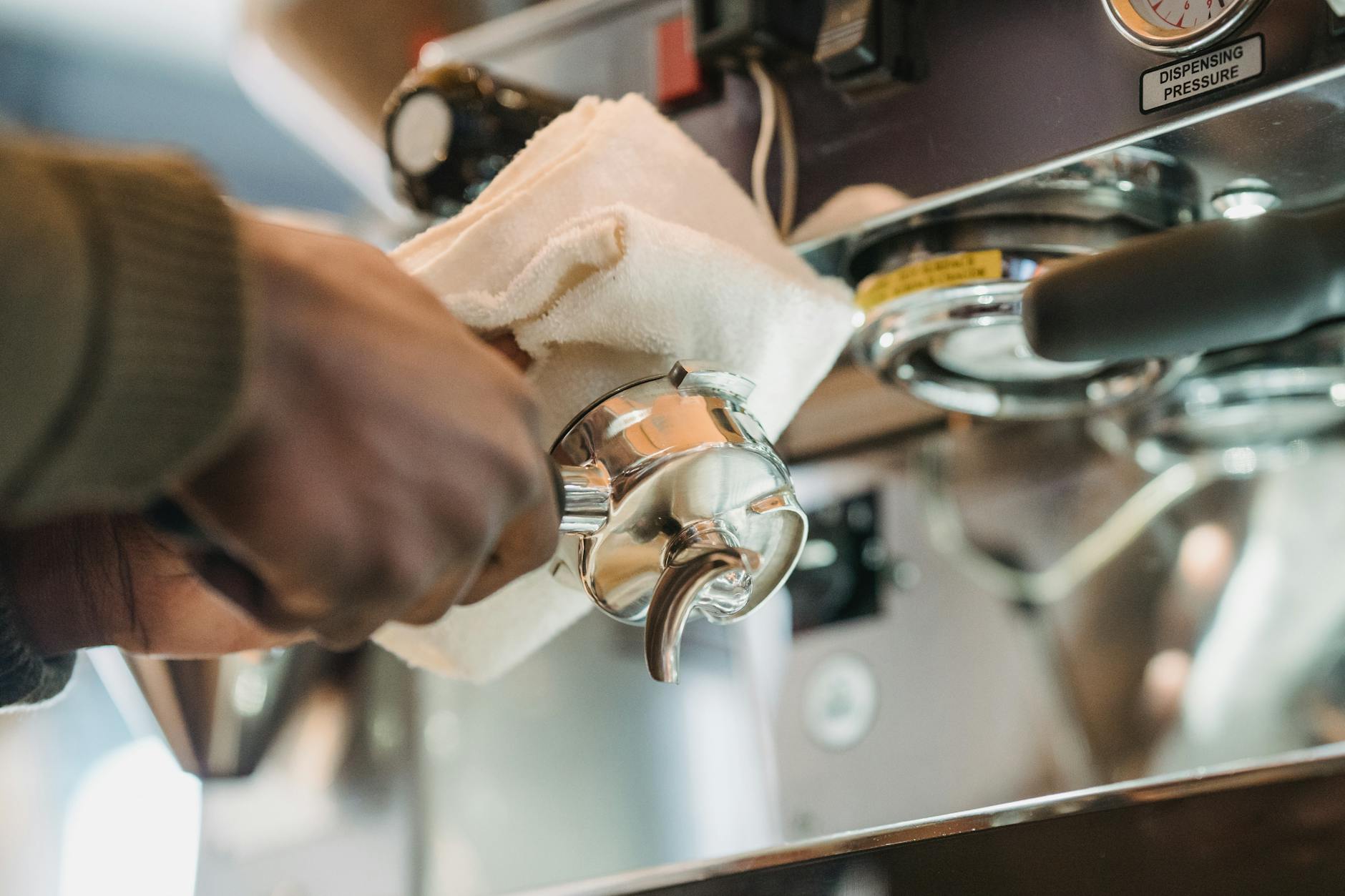
The Gaggia Anima is a capable super-automatic espresso machine, yet its performance relies on consistent and thorough maintenance. For the experienced home barista, understanding the machine’s internal workings is crucial for maintaining shot quality and long-term reliability. One of the most frequently overlooked components is the ground coffee duct, the pathway that transports coffee from the grinder to the brew group. A clean, unobstructed duct is essential for proper dosing, consistent puck formation, and preventing system errors. When this channel becomes impacted with coffee grounds and oils, it can lead to under-extraction, inconsistent volume, and eventually, complete clogs that render the machine inoperable. This guide provides a technical walkthrough for cleaning and maintaining this critical component.
Understanding the coffee duct’s function
In any super-automatic machine, the journey from whole bean to brewed espresso involves several key stages. After the Gaggia Anima’s ceramic burr grinder doses the selected amount of coffee, the grounds are funneled through an internal chute, or duct, directly into the brew group’s dosing chamber. This process is engineered for efficiency and precision, but it is not immune to the laws of physics. Coffee grounds, especially those from oilier, darker roasts, carry a static charge and contain volatile oils. Over time, these two factors cause grounds to adhere to the walls of the duct. This buildup gradually restricts the passageway, leading to inconsistent dosing as less coffee reaches the brew group than the machine’s sensors anticipate.
Symptoms of a clogged or partially obstructed duct
Diagnosing a clogged coffee duct requires observing changes in the machine’s output and behavior. The symptoms often develop gradually, making them easy to miss until a significant blockage occurs. An experienced user should watch for a few key indicators:
- Watery or weak espresso shots: This is the most common sign. If the duct is partially blocked, the brew group receives an insufficient dose of coffee, resulting in an under-extracted, thin-bodied shot with a pale, fleeting crema.
- Inconsistent pucks: Upon inspecting the dregs drawer, you may find that the spent coffee pucks are thin, soupy, or poorly formed. This indicates that not enough dry coffee grounds made it into the chamber to form a dense, stable puck.
- Grinder operational errors: In more advanced stages of a clog, the machine may halt mid-cycle and display an error code. The system’s sensors can detect that the brew group is not receiving the expected volume of grounds, triggering a fault to prevent damage.
A step-by-step guide to cleaning the duct
Cleaning the duct is a straightforward mechanical process that requires no special chemicals, only attention to detail. Before starting, ensure the machine is turned off and unplugged from the power source.
1. Access the brew group area: Open the service door on the side of the Gaggia Anima. Press the “PUSH” button and gently pull the brew group out of the machine. Set it aside on a clean towel.
2. Locate the coffee duct exit: Look inside the machine where the brew group was housed. You will see a small opening or chute at the top of the cavity. This is where the ground coffee exits the grinder assembly and falls into the brew group. You will likely see a significant accumulation of old coffee grounds and oily residue around this opening.
3. Clear the initial blockage: Using a soft, dry brush, gently dislodge and sweep out all visible coffee grounds from the area. A vacuum cleaner with a narrow crevice tool is highly effective for removing the loose debris from the compartment. Be thorough, as residual grounds can contribute to future clogs.
4. Clean inside the duct: To clean the internal pathway, a flexible tool is required. A pipe cleaner or a small, flexible brush is ideal for this task. Carefully insert the tool up into the duct and gently rotate it to dislodge impacted grounds from the interior walls. Work it back and forth several times until you no longer feel resistance and grounds stop falling out.
5. Final cleaning and reassembly: Use the brush and vacuum one last time to clear any newly dislodged debris. Wipe the area with a dry microfiber cloth. Re-insert the clean brew group, ensuring it clicks securely into place. Close the service door and plug the machine back in.
Proactive maintenance for long-term prevention
Regular, preventative maintenance is far more effective than reactive cleaning. To keep the coffee duct clear, adopt a consistent schedule. A bi-weekly or monthly cleaning of the duct exit point, as described above, is a sound strategy, especially for users who consume several shots per day or prefer oily beans. Furthermore, running a full brew group cleaning cycle with a dedicated coffee oil remover tablet can help dissolve some of the oily residues that cause grounds to stick in the first place. While these tablets primarily clean the brew group, their action can help reduce the overall buildup in the system that contributes to blockages in the coffee path.
Mastering the maintenance of the Gaggia Anima’s coffee duct is a fundamental skill for any dedicated owner. Understanding the symptoms of a clog, performing the cleaning procedure with care, and committing to a proactive maintenance schedule will ensure your machine operates at peak performance. This attention to detail prevents frustrating errors and, most importantly, preserves the quality and consistency of your espresso. By integrating this task into your routine, you protect your investment and guarantee a better brewing experience. For users seeking specific tools to perform these maintenance tasks, specialized cleaning brushes and kits are available from dedicated espresso equipment suppliers like papelespresso.com.

 No products in the cart.