

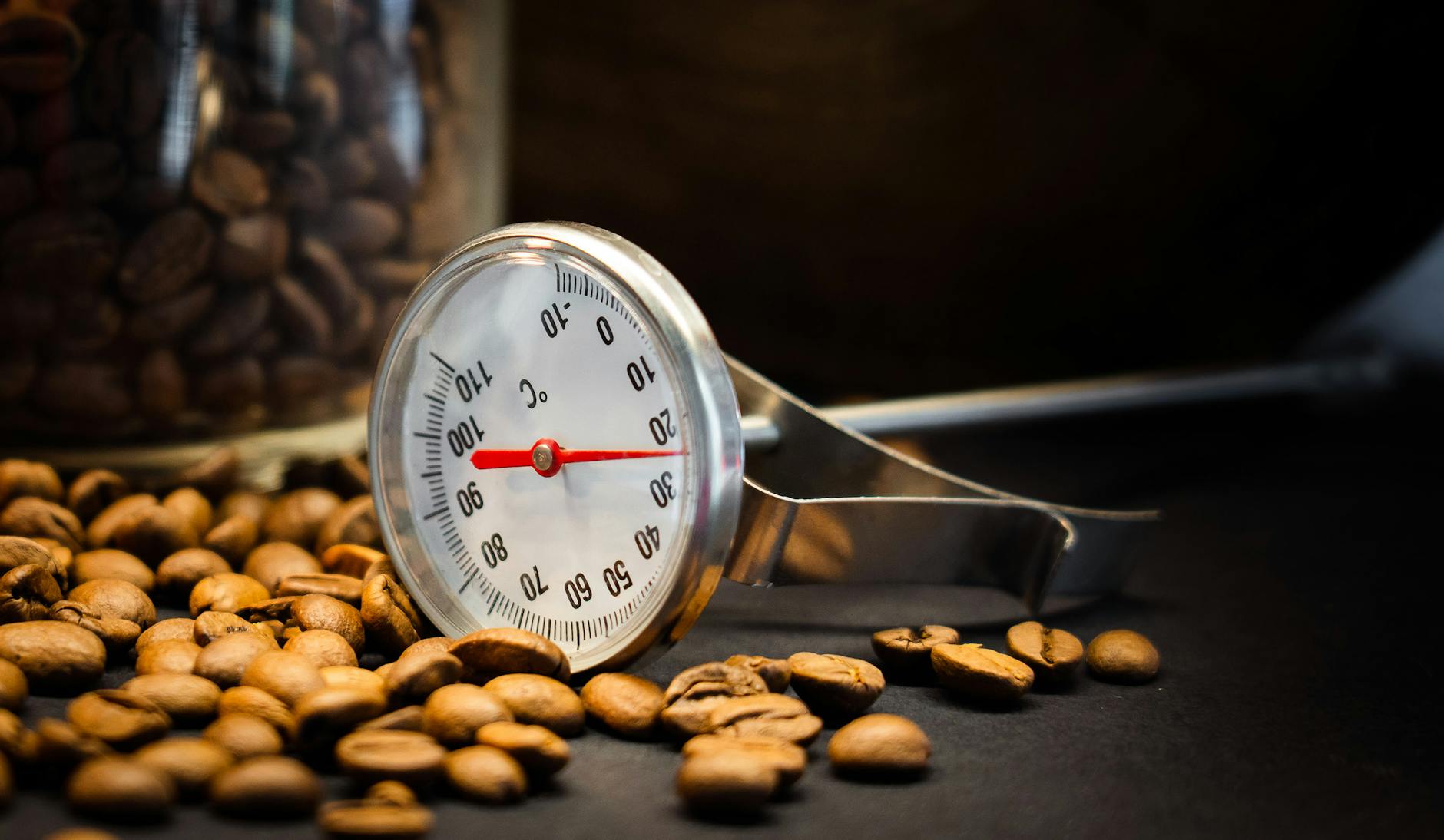
Achieving the correct brewing temperature is a fundamental goal for any barista. When your Gaggia Anima produces coffee that is consistently lukewarm, it points to a breakdown in the thermal chain, impacting everything from extraction quality to the final sensory experience. For users accustomed to manual espresso machines, where temperature management is a hands-on process, a super-automatic machine’s behavior can seem opaque. This article addresses the common reasons why a Gaggia Anima may fail to deliver sufficiently hot coffee. We will explore the machine’s settings, the importance of preheating, the function of its internal components, and the role of routine maintenance, providing a clear diagnostic path for experienced users to resolve the issue.
Adjusting machine settings for temperature
The Gaggia Anima offers programmable control over brewing temperature, a feature that can be overlooked. The machine typically has three settings: low, medium, and high. Accessing this function through the machine’s menu allows you to set a target that directly influences the thermoblock’s heating cycle. While the factory default is often set to medium, brewing lighter roast coffees or simply preferring a hotter final cup may require selecting the maximum temperature setting. It is the first and most straightforward adjustment to make. Setting the machine to its highest temperature ensures the water is heated to the upper end of its operational range before it travels to the brew group, providing a stronger thermal foundation for the entire process.
The critical role of preheating components
One of the most common sources of temperature loss in any espresso machine is contact with cold components. The Gaggia Anima is no exception. When hot water or coffee touches a cold ceramic cup, a significant amount of thermal energy is immediately transferred, resulting in a lukewarm beverage. Experienced baristas understand that every part of the coffee’s path must be heated. Before brewing your first shot of the day, it is essential to run a hot water cycle through the machine. This action serves two purposes: it flushes stale water from the system and, more importantly, it heats the internal brew group and the dispensing spouts. Furthermore, always preheat your cup with hot water, discarding it just before you begin the brewing cycle. This simple, non-negotiable step preserves the coffee’s temperature from the moment it is dispensed.
Understanding the heating system and water flow
The Gaggia Anima utilizes a thermoblock to heat water on demand. Unlike a traditional boiler that holds a large volume of hot water, a thermoblock heats a smaller amount of water as it passes through a narrow channel. This design allows for a quick startup time but also means that the initial water may not be at the optimal stable temperature. Performing a preliminary flush, often called a warming flush, by running a blank shot without coffee is a valuable technique borrowed from the world of manual espresso. This purge ensures that the entire hydraulic circuit, from the thermoblock to the spouts, is fully heated and stabilized, leading to a more consistent and hotter subsequent extraction.
How maintenance affects thermal performance
Consistent thermal performance is directly linked to machine maintenance, particularly descaling. Over time, mineral deposits from water, primarily calcium carbonate, build up on the internal surfaces of the heating element and water channels. This limescale is an effective insulator, severely impairing the thermoblock’s ability to transfer heat to the water flowing through it. If you notice a gradual decline in your coffee’s temperature over weeks or months, a buildup of scale is a likely culprit. Adhering to a regular descaling schedule based on your water hardness and usage frequency is not just about machine longevity; it is a crucial step for maintaining the thermal stability and performance required for proper coffee extraction.
In conclusion, resolving the issue of coffee not being hot enough from a Gaggia Anima requires a systematic approach. The solution rarely lies in a single fault but rather in a combination of user-controlled variables and machine maintenance. By ensuring the temperature setting is maximized, diligently preheating all components including the cup and brew group, running a warming flush before extraction, and maintaining a strict descaling regimen, you can address the primary factors that lead to heat loss. These practices restore control over this critical variable, allowing the machine to perform as intended. For those looking to further refine their preparation process, various precision tools are available at papelespresso.com.


 No products in the cart.