

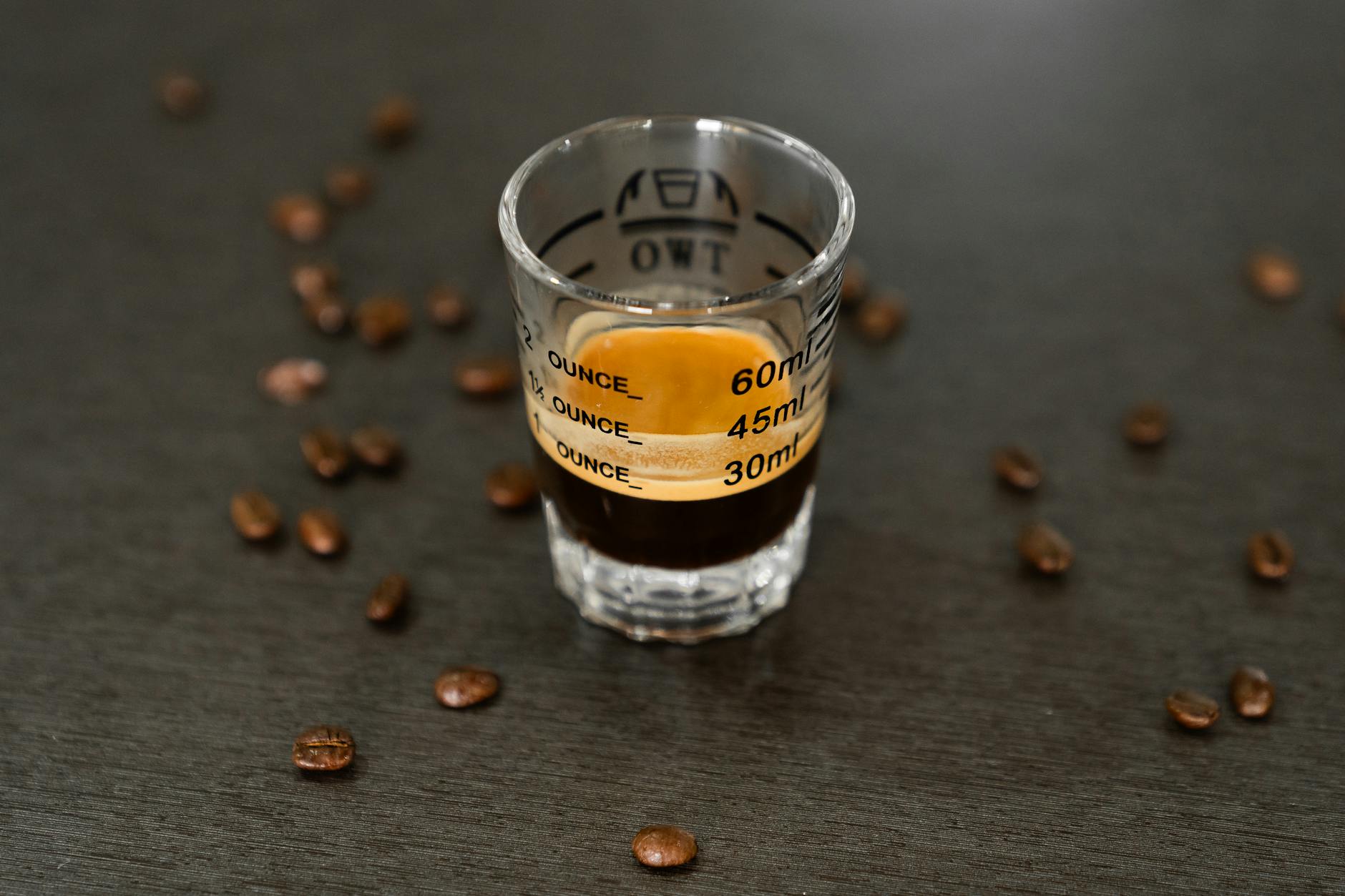
The pursuit of a dense, persistent, and visually appealing crema is a defining characteristic of high-quality espresso. For the experienced home barista using a super-automatic machine like the Gaggia Anima, achieving this goal moves beyond default settings and into the realm of precision and control. While the Anima automates many steps, the user’s understanding of core espresso principles remains the most critical factor in influencing the final shot. This article explores the technical variables you can manipulate to produce a thicker, more stable crema, transforming your espresso from merely good to truly exceptional. It is a process of careful adjustment and observation, rewarding patience with superior results in the cup.
What defines a quality crema
Before attempting to thicken crema, it is essential to understand its composition and purpose. Crema is not simply foam; it is a complex and delicate emulsion of carbon dioxide gas, water, and solubilized coffee oils. During the high-pressure extraction process, CO2 that was trapped within the coffee bean’s cellular structure during roasting is released and emulsified with the natural lipids present in the coffee. This creates a fine, silky layer on top of the espresso.
A high-quality crema is characterized by its color, texture, and persistence. The ideal color is a rich, hazelnut or reddish-brown, often with darker striations known as “tiger striping.” The texture should consist of very fine, compact bubbles, creating a smooth and stable surface that can support a small amount of sugar for a few seconds before it slowly sinks. A crema that is overly thick, pale, and bubbly often indicates an under-extracted shot, while a thin, dark, and fleeting crema can be a sign of over-extraction. The ultimate goal is a balanced, stable layer that enhances the aroma, mouthfeel, and flavor profile of the espresso.
Selecting the right coffee for crema
The single most important factor in crema production is the coffee itself. No amount of machine calibration can compensate for stale or unsuitable beans. The key element is freshness. Coffee beans begin to release their trapped CO2 immediately after roasting, a process known as degassing. For espresso, it is ideal to use beans that are between three and fourteen days past their roast date. This window provides the optimal balance, as the beans have released enough initial gas to be stable but still retain sufficient CO2 to produce a rich crema.
The roast level also plays a significant role. Medium to dark roasts tend to produce a more substantial and durable crema. The extended roasting process brings more coffee oils to the surface of the bean, and these lipids are crucial for the structure and stability of the emulsion. While light roasts can produce a delicate and aromatic crema, they generally lack the volume and thickness that darker roasts can provide. When selecting beans, look for blends specifically formulated for espresso, as they are often designed to yield excellent crema while maintaining a balanced flavor.
Dialing in your grind and dose
With the right beans secured, the next step is to optimize the Gaggia Anima’s internal grinder and dosing settings. The machine features a multi-step ceramic burr grinder, which you can adjust to control the particle size of the coffee grounds. A finer grind increases the total surface area of the coffee, which allows the high-pressure water to extract oils and CO2 more efficiently. This typically leads to a thicker crema.
To adjust the grind, make small, incremental changes—one notch at a time—and only while the grinder is in operation to prevent the beans from jamming the mechanism. Couple your grind adjustments with the machine’s “Optiaroma” or aroma strength setting, which controls the dose (the amount of coffee used per shot). A higher dose provides more coffee solids for extraction, which can contribute to a denser, more robust crema. The goal is to find the equilibrium where the grind is fine enough and the dose is sufficient to produce a 25–30 second extraction time for a standard double shot. This balance is critical for preventing a flow that is either too fast (under-extracted) or too slow (over-extracted).
Advanced settings and extraction variables
Beyond the primary controls of grind and dose, the Gaggia Anima offers programmable settings that can further refine your extraction for better crema. One of the most impactful of these is brew temperature. The machine typically allows for adjustment across a low, medium, and high range. Water temperature directly affects the solubility of coffee compounds, especially the oils that form the foundation of crema.
Experimenting with a slightly higher temperature setting can enhance the extraction of these lipids, resulting in a thicker and more stable crema. However, be cautious, as a temperature that is too high can introduce bitter or burnt flavors. It is best to change only one variable at a time to accurately assess its impact. Another feature to consider is the pre-infusion setting. Pre-infusion briefly wets the coffee puck at low pressure before applying full extraction pressure. This helps settle the coffee grounds and ensures a more even saturation, which can lead to a more uniform extraction and, consequently, a better-structured crema.
Conclusion
Achieving a thicker, higher-quality crema with the Gaggia Anima is not about finding a single secret setting, but rather about a holistic and methodical approach. It requires a foundational respect for the raw materials, beginning with the selection of fresh, appropriately roasted coffee beans. From there, it involves a disciplined process of dialing in the grinder for the correct particle size, balancing the dose to match, and fine-tuning extraction variables like temperature and pre-infusion. Each adjustment contributes to the final result, and by carefully observing the impact of each change, you can systematically guide the machine toward producing a consistently excellent espresso. The journey rewards patience and precision, proving that even with an automated system, the barista’s knowledge is what truly crafts the perfect cup. Building this expertise often starts with using the right components, and reliable brewing resources can be found at retailers like papelespresso.com.

 No products in the cart.