

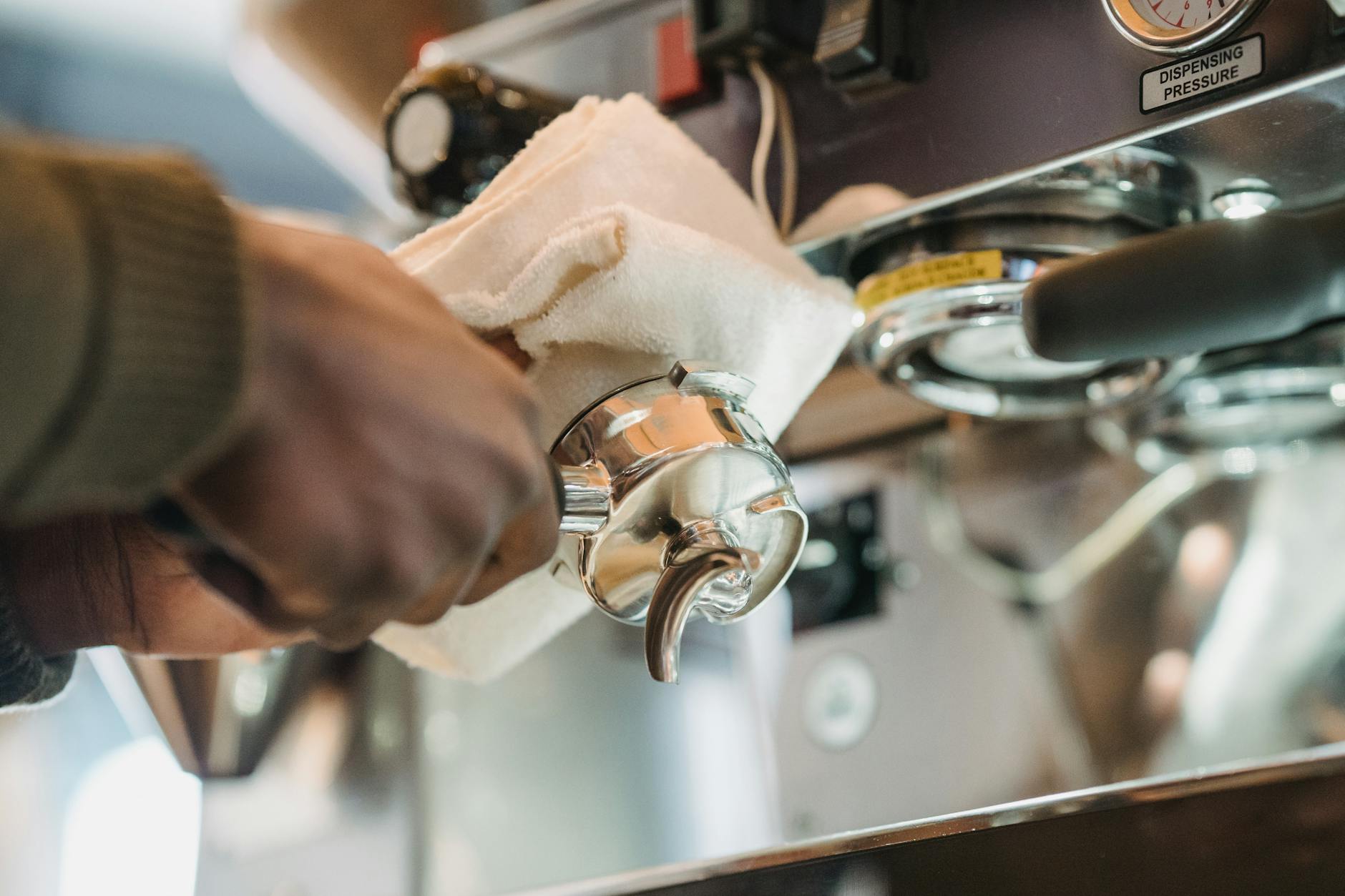
The Gaggia Anima is a reliable super-automatic espresso machine, yet like any sophisticated piece of equipment, it can exhibit specific behaviors that require attention. One common observation is finding more water in the drip tray than expected. While some water accumulation is normal due to the machine’s automatic rinse cycles and pressure release, an excessive amount can indicate an underlying issue. For the experienced home barista, understanding the source of this water is key to maintaining the machine’s health and performance. This article provides a technical breakdown of the common reasons your Gaggia Anima might be channeling excess water into the drip tray, moving beyond simple explanations to offer actionable insights for diagnosis and resolution.
Normal operational cycles
Before investigating potential faults, it is essential to understand the machine’s standard functions that intentionally deposit water into the drip tray. The Gaggia Anima performs a rinse cycle upon startup and shutdown to purge the coffee circuit of old grounds and oils, ensuring beverage quality and system hygiene. Each rinse cycle can dispense one to two ounces of water. Additionally, after brewing, the machine vents excess pressure from the brew group, which often results in a small amount of water being discharged. If you brew several shots a day, the cumulative effect of these cycles can fill the drip tray faster than you might expect. Documenting the frequency of your brew and rinse cycles can help establish a baseline for normal water accumulation.
The brew group O-ring
The brew group is the heart of the machine, and its main O-ring is a critical component for sealing the brewing chamber. Over time, this silicone O-ring is exposed to heat, pressure, and coffee grounds, causing it to lose elasticity and wear down. When the seal is compromised, pressurized water can escape the brewing chamber during the infusion process. Instead of being forced through the coffee puck, this water bypasses the seal and is often routed directly down into the drip tray. A visual inspection of the brew group O-ring may reveal obvious signs of damage, such as cracks, hardening, or flattening. A subtle failure, however, may not be visible. If the leak is most noticeable during the brewing cycle itself, a worn O-ring is a likely culprit.
Inlet pipe and connection points
Water is transported from the internal boiler to the brew group through a high-pressure inlet pipe. This connection point is sealed with small, durable O-rings that can degrade over hundreds of cycles. If the seal at either end of the pipe fails, water will leak, particularly when the pump is engaged. This type of leak often occurs at the top of the brew group where the pipe connects. To diagnose this, you would typically need to observe the machine with the service door open during a brew cycle. Water dripping from the connection point above the brew unit is a clear indicator of a failing seal. This is distinct from a main O-ring failure, as the water source is external to the brewing chamber itself.
The vent valve or over-pressure valve (OPV)
Super-automatic machines are equipped with a safety mechanism known as an over-pressure valve (OPV), or vent valve. Its purpose is to release excess pressure from the boiler and hydraulic system to prevent damage. If the machine’s sensors detect pressure exceeding a safe threshold, the OPV opens and diverts water into the drip tray. While this is a normal safety function, a faulty or debris-obstructed OPV can remain slightly open, causing a slow, persistent leak. This type of leak is often independent of the brewing cycle and may occur even when the machine is idle but powered on. A continuous trickle of water into the tray suggests the OPV may require cleaning or replacement.
Conclusion
Excess water in your Gaggia Anima’s drip tray is often attributable to one of a few specific causes. Differentiating between normal operational discharge and a genuine leak is the first step. For true leaks, the issue commonly resides with wear-and-tear components such as the brew group’s main O-ring or the smaller seals on the water inlet pipe. In other cases, a malfunctioning over-pressure valve could be the source. By methodically observing when the leaking occurs—during startup, brewing, or while idle—you can accurately diagnose the problem. Proper maintenance and timely replacement of these seals are fundamental to the machine’s longevity and optimal function. For those who require specific components for maintenance, various parts are available from suppliers like papelespresso.com.

 No products in the cart.