

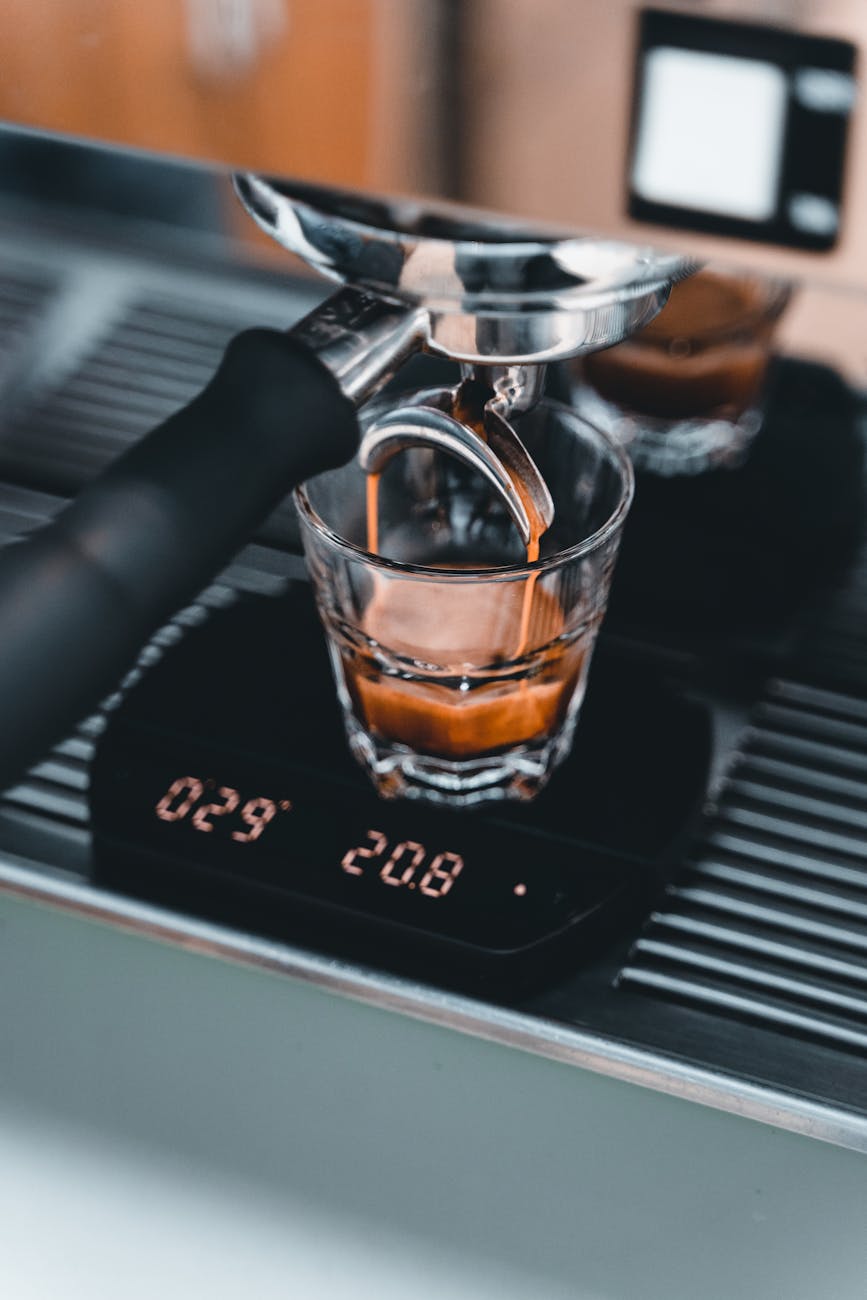
Gaggia Anima dispensing coffee too fast: Causes and solutions
For the experienced home barista, diagnosing an espresso shot is second nature. When a Gaggia Anima begins dispensing coffee too quickly, the familiar signs of under-extraction—a thin body, pale crema, and a predominantly sour taste—are immediately apparent. While super-automatic machines like the Anima handle many variables for you, the core principles of espresso extraction remain the same. A shot that flows too fast is a clear indicator that water is passing through the coffee grounds with insufficient resistance, preventing the proper dissolution of soluble solids. This guide provides a systematic approach to diagnosing and resolving this common issue, tailored for users who understand the fundamentals of espresso preparation.
Grind size: The primary factor
The most frequent cause of a fast-flowing shot is a grind setting that is too coarse. Larger coffee particles create wider gaps, allowing water to channel through the coffee puck with minimal opposition. The Gaggia Anima features an adjustable ceramic burr grinder, and refining its setting is the first and most crucial step in troubleshooting. The adjustment dial is located inside the bean hopper and typically offers several settings.
To properly adjust the grind, follow these critical steps:
- Adjust only while the grinder is running. Attempting to change the setting when the grinder is idle can damage the burrs. Start a brew cycle and make your adjustment as soon as the grinding begins.
- Make small, incremental changes. Move the dial one notch at a time toward a finer setting (usually a smaller number). A single-step adjustment can have a significant impact on shot time.
- Allow for a transition period. It will take two to three brew cycles for the new grind setting to fully take effect, as residual grounds from the previous setting are cleared from the chamber. Patience is key to accurately assessing the result of your adjustment.
Dose and coffee selection
The amount of coffee used, or the dose, directly influences the density of the coffee puck and, consequently, the resistance to water flow. The Anima controls this via the “Aroma Strength” or “Optiaroma” setting, which typically ranges from one to five beans on the display. A lower setting uses less coffee, creating a smaller, less-resistant puck that can lead to a fast shot. If your grind is dialed in correctly, consider increasing the aroma strength to a higher setting. This increases the dose, creating a more compact puck that will naturally slow the extraction.
Furthermore, the coffee beans themselves play a significant role. Darker roasts are often more brittle and porous than lighter roasts, which can lead them to break down differently during grinding. If you have recently switched to a new type of bean, you will likely need to recalibrate your grind setting to achieve the desired flow rate.
The bypass doser and pre-ground coffee
The Gaggia Anima includes a bypass doser for using pre-ground coffee, which offers convenience but introduces a major variable: the quality and suitability of the grind. Most commercially pre-ground coffee is intended for drip or filter methods and is far too coarse for proper espresso extraction. Using such coffee in the bypass chute is a near-certain way to produce a rapid, under-extracted shot.
If you intend to use the bypass feature, it is essential to use coffee ground specifically for espresso. This means using a dedicated, high-quality burr grinder to prepare your dose immediately before brewing. Without control over the grind size, you lose the primary means of regulating the shot time and quality.
Machine maintenance and potential component wear
If adjustments to grind size and dose fail to resolve the issue, the problem may stem from the machine’s condition. Over time, the grinder burrs can become dull, especially after processing several thousand shots. Worn burrs lose their ability to produce a uniform grind, often creating an inconsistent mix of coarse particles and fine dust. This inconsistency can compromise puck integrity and encourage channeling, where water punches a path of least resistance through the grounds, resulting in a fast and uneven extraction.
Another, less common, possibility is an issue within the brew group. If the mechanism is not functioning correctly or is impeded by old coffee grounds, it may not be tamping the coffee with consistent pressure, leading to a loose puck. Regular cleaning of the brew group, as outlined in the machine’s manual, is vital for ensuring its mechanical operations are smooth and effective.
Conclusion
Resolving a fast coffee flow on a Gaggia Anima requires a methodical approach rooted in core espresso theory. Begin by adjusting the grind size, as this is the most influential variable. Make small, patient changes, allowing the machine to cycle through old grounds before evaluating the results. If the issue persists, assess your dose setting and the characteristics of your chosen coffee beans. Finally, consider the possibility of component wear or the need for deep cleaning, particularly if you are using the pre-ground bypass or if the machine has seen extensive use. By applying these systematic checks, you can restore the proper resistance needed for a balanced, full-bodied extraction. For baristas who also enjoy manual espresso making, having access to the right preparation tools remains essential, and various high-quality accessories are available from retailers like papelespresso.com.

 No products in the cart.