

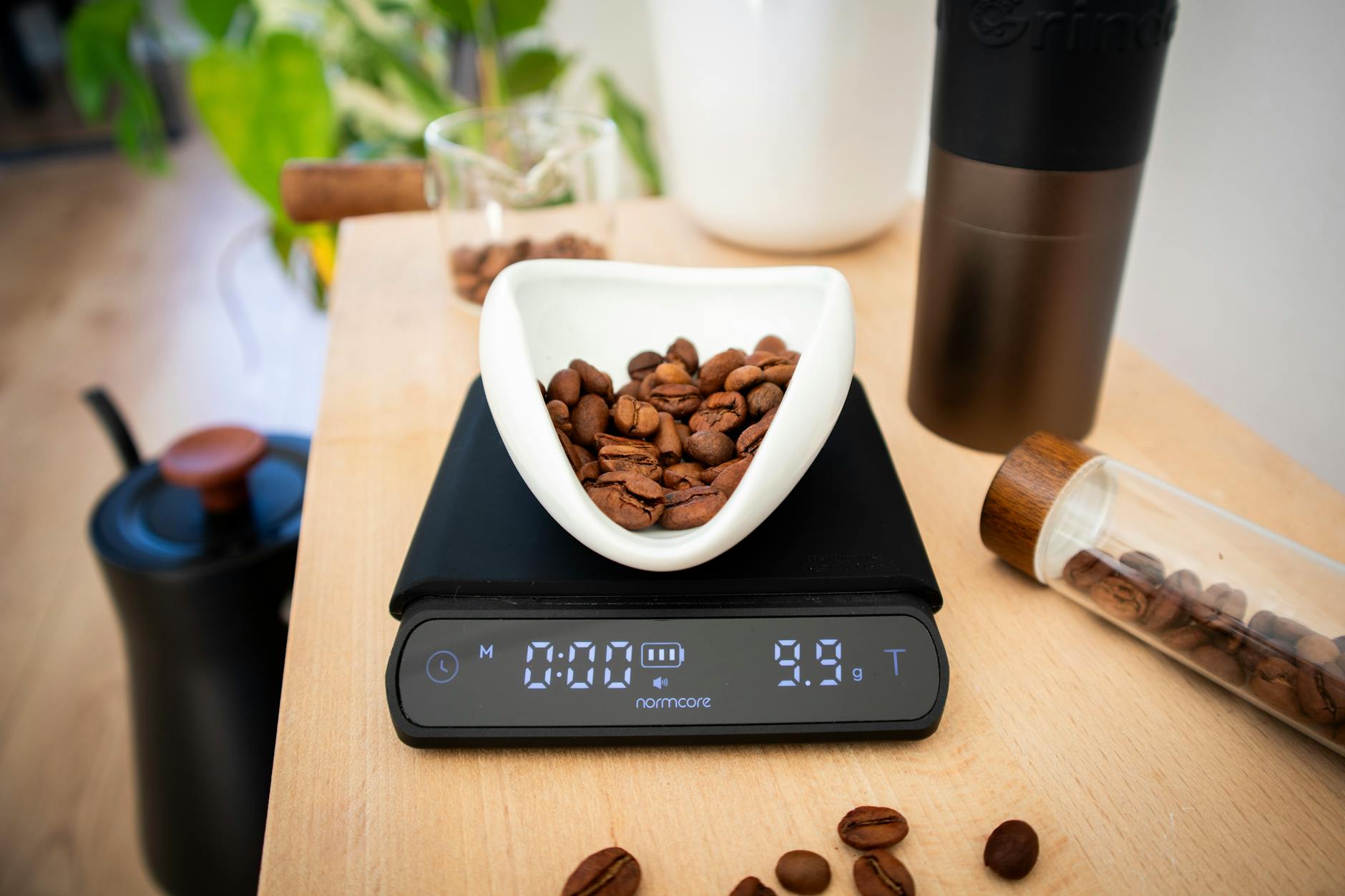
A guide to using the bypass doser on the Gaggia Anima for decaf
For the dedicated home barista, versatility in an espresso machine is not a luxury; it is a necessity. The Gaggia Anima, a capable super-automatic machine, offers a feature that directly addresses this need: the bypass doser. While the main bean hopper serves daily caffeinated routines, the bypass doser provides an immediate pathway for pre-ground coffee, making it an ideal tool for preparing decaf without cross-contamination or waste. Understanding how to properly use this function is key to achieving a balanced and satisfying extraction. This guide offers a technical breakdown of the process, focusing on the specific considerations required to pull a quality shot of decaffeinated espresso using the Anima’s bypass doser.
Understanding the bypass doser’s mechanics
The bypass doser on the Gaggia Anima is a separate chute that feeds pre-ground coffee directly into the brew group, circumventing the machine’s built-in grinder and main hopper. This design allows the user to introduce a different coffee—such as decaf, a single-origin, or a guest’s preference—for a single brewing cycle. When the machine is set to the pre-ground coffee mode, it deactivates the internal grinder and anticipates a dose from this chute.
It is critical to understand that the machine is calibrated for a specific dose volume, typically measured with the included scoop. The Anima’s brew group is designed to tamp and extract this standardized amount. Deviating significantly by under-dosing or over-dosing can lead to a poor extraction, resulting in a watery, under-extracted shot or, in a worst-case scenario, a choked machine and an error code. The system relies on the user to provide a consistent dose and, most importantly, the correct grind size.
The critical importance of grind consistency
Because the bypass doser requires pre-ground coffee, the user takes on the responsibility of grinding. This is the most crucial variable for success. The grind size must be appropriate for espresso extraction on the Anima’s brew group. Decaffeinated beans, particularly those processed using the Swiss Water Process, can be softer and more porous than their caffeinated counterparts, requiring a slightly different grind setting to achieve a proper extraction time.
A high-quality burr grinder is essential for this task. Blade grinders produce an inconsistent particle size, with fine dust and large chunks mixed together, which will invariably lead to a poorly extracted shot characterized by both bitter and sour notes. You must aim for a fine, consistent grind, similar to table salt. The goal is to produce a shot that runs for approximately 20–30 seconds. If the shot runs too fast (under-extraction), the grind is too coarse. If it runs too slow or chokes the machine (over-extraction), the grind is too fine.
Proper dosing technique
The Gaggia Anima includes a plastic scoop designed to deliver the correct volume of grounds for one brewing cycle. Adherence to this measurement is not merely a suggestion but a core operational parameter. Using the scoop ensures that the brew group receives the amount of coffee it is engineered to handle.
- Step 1: Select the pre-ground coffee function on the Anima’s interface. The display will typically show a scoop icon to confirm the mode.
- Step 2: Use the provided scoop to measure one level scoop of your finely ground decaf coffee. Do not heap the scoop or compress the grounds into it.
- Step 3: Pour the grounds directly into the bypass doser chute. Ensure all the coffee enters the chute and avoid spilling grounds around the opening.
- Step 4: Close the lid and initiate the brew cycle immediately. The machine does not hold grounds in the chamber; it is designed for immediate use after dosing.
Never attempt to add more than one scoop per brew cycle. Overfilling the bypass doser can cause the brew group to jam, leading to mechanical errors and a difficult cleaning process.
Adjusting brew parameters for optimal extraction
Once you have dialed in the grind size and mastered the dosing technique, the final step is to adjust the machine’s programmable settings to suit the decaf coffee. Decaf beans often have a different density and solubility, which may require a slight alteration in brew volume to achieve a balanced flavor profile. The Gaggia Anima allows you to program the volume of water used for your espresso shot.
To optimize the extraction, taste is the ultimate guide. If the resulting shot is too concentrated or intense, a slightly larger water volume may be needed. Conversely, if the shot tastes thin or weak, reducing the water volume can improve the body and flavor. We recommend starting with the factory default setting and making small, incremental adjustments. Keep notes on the grind setting and water volume that produce the best results for your specific decaf beans, as these parameters will provide a reliable starting point for future use.
Conclusion
Mastering the Gaggia Anima’s bypass doser transforms it from a simple super-automatic machine into a more versatile instrument for the discerning home barista. The process is not complex, but it demands precision and a methodical approach. Success hinges on three technical pillars: achieving a consistent, fine grind with a quality burr grinder; using the correct, level scoop for dosing; and adjusting the machine’s brew parameters to match the unique characteristics of your decaffeinated beans. By controlling these variables, you can reliably produce a high-quality decaf espresso that rivals the output from the main bean hopper, expanding your coffee options without compromise. For those looking to refine their workflow, various preparation tools are available from retailers like papelespresso.com.

 No products in the cart.