

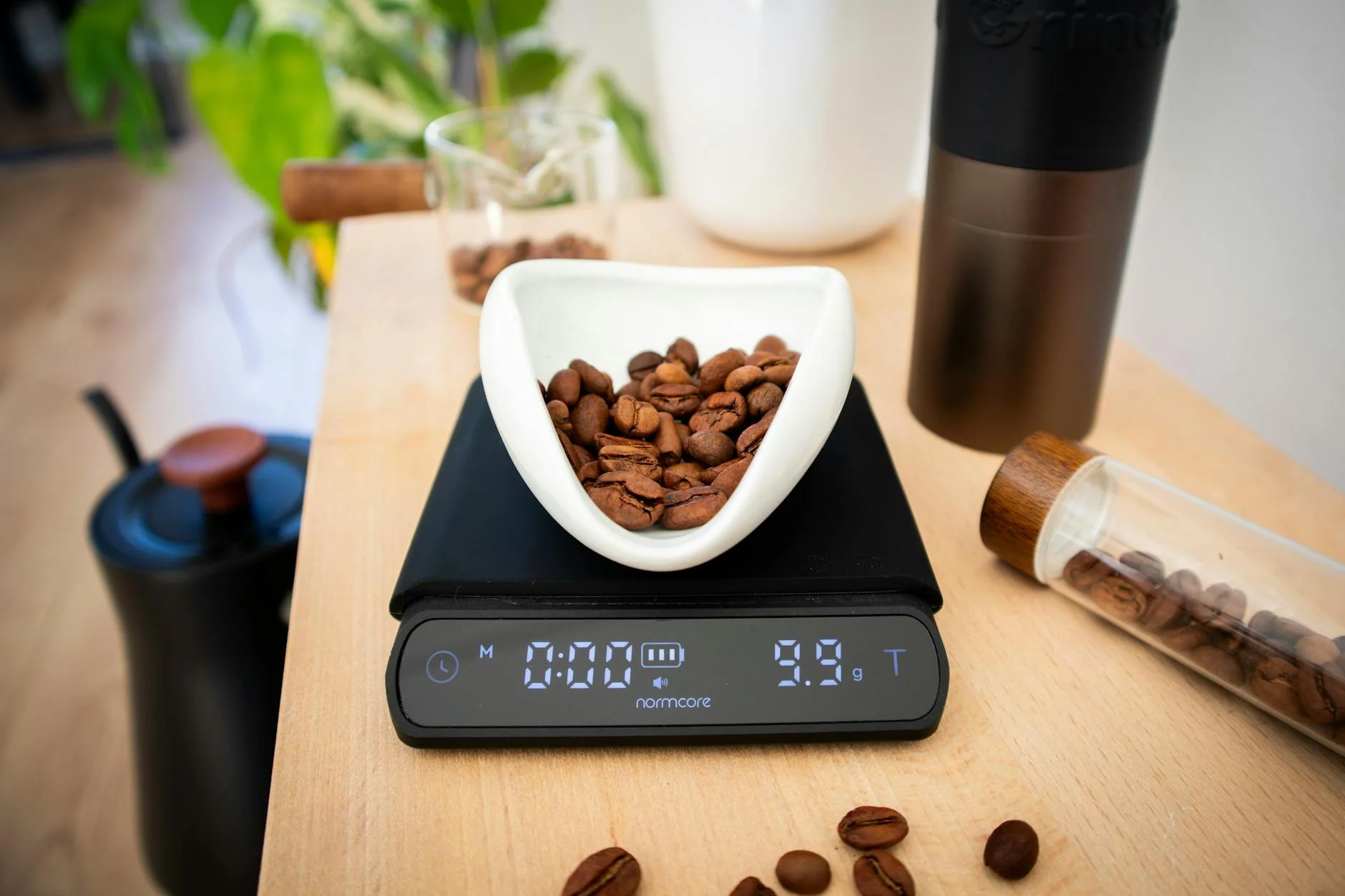
Achieving quality microfoam with the Gaggia Anima Pannarello wand
The Gaggia Anima is a capable super-automatic machine, yet for the experienced home barista, its Pannarello-style steam wand can present a unique challenge. Unlike the commercial-style wands found on semi-automatic machines, the Pannarello is designed for convenience, often producing a thick, bubbly foam rather than the silky, integrated microfoam desired for latte art and balanced flavor profiles. This is not a limitation of the machine’s steam power, but a function of the wand’s design. Understanding the mechanics of the Pannarello is the first step toward mastering it. This guide provides a technical, no-nonsense approach for manual espresso users looking to push the Anima’s capabilities and achieve a higher standard of milk texture.
Understanding the Pannarello wand’s function
The key difference between a Pannarello wand and a commercial wand lies in its method of aeration. A traditional wand has a simple tip with one or more small holes, requiring the user to manually control the introduction of air by carefully positioning the tip at the milk’s surface. In contrast, the Pannarello is a sheath that fits over the machine’s underlying steam pipe. This sheath has a small air intake hole near the top, which draws air in automatically whenever steam is flowing.
This auto-aeration design is engineered to simplify frothing, ensuring a large volume of foam with minimal user input. However, this process injects air rapidly and creates large bubbles by default. For the user seeking microfoam, the goal is not to add more air but to limit the amount of air introduced and effectively integrate it into the milk. Success depends on controlling the position of that air intake hole relative to the surface of the milk.
Preparation of milk and equipment
Consistency in milk texturing begins long before you turn on the steam. The temperature of your milk and frothing pitcher are critical variables. Start with a stainless steel pitcher that is cold, preferably stored in the refrigerator for a few minutes before use. This provides a longer window to texture the milk before it reaches its optimal temperature of 55–65°C (130–150°F). Overheating milk denatures its proteins and degrades the flavor, resulting in a flat, scalded taste.
The type of milk used also plays a significant role. While dairy alternatives can be textured, whole cow’s milk offers the most forgiving balance of fats, proteins, and sugars, making it the ideal medium for practicing and perfecting your technique. Fill your pitcher just below the base of the spout, typically between one-third and one-half full. This volume allows enough room for the milk to expand and roll, which is essential for creating a smooth, homogenous vortex during the texturing phase.
A step-by-step technique for finer foam
This method focuses on minimizing the Pannarello’s auto-aerating function to give you more manual control. The process can be broken down into two distinct phases: a brief, controlled aeration (stretching) followed by a longer texturing phase.
- Purge the wand: Always begin by purging the steam wand for two to three seconds into a damp cloth. This clears any condensed water from the internal pipes, ensuring you introduce only dry steam into your milk.
- Submerge the wand fully: Place the wand deep into the milk pitcher, ensuring the entire Pannarello sheath, including the air intake hole, is well below the surface. Position the wand off-center at a slight angle.
- Initiate steaming: Turn the steam knob to the full on position. Because the air hole is submerged, no air will be introduced. The milk will simply heat and begin to swirl.
- Begin aeration: Very slowly lower the pitcher until you hear a subtle hissing or tearing sound. This indicates that the air intake hole is at the surface, drawing in air. This phase should be extremely brief, lasting only a few seconds until the milk has expanded by approximately 20–30%. The goal is to incorporate just enough air right at the start.
- Stop aeration and create the vortex: Submerge the wand again so the hissing stops completely. Find the “sweet spot” by adjusting the wand’s angle and depth to create a strong vortex, or whirlpool, in the pitcher. This motion is crucial. It breaks down larger bubbles and folds the aerated foam back into the liquid milk, creating a uniform, glossy texture. Continue this vortex until the pitcher is almost too hot to touch.
- Finish and groom: Turn off the steam before removing the wand from the milk. Immediately wipe the wand with a clean, damp cloth and purge it again. Gently swirl the milk in the pitcher to polish it and tap the pitcher on the counter once or twice to dissipate any remaining surface bubbles.
Troubleshooting common issues
Even with a solid technique, achieving consistent results can be difficult. The following table addresses common problems encountered when using a Pannarello wand for microfoam.
| Problem | Likely Cause | Solution |
|---|---|---|
| Foam is too thick and bubbly | Aeration phase was too long or aggressive. | Reduce the initial aeration time. Submerge the air intake hole as soon as the desired volume is reached, focusing more time on the texturing phase. |
| Milk is hot but has no texture | Air intake hole was never brought to the surface. | Ensure you lower the pitcher just enough to hear a faint hissing sound for a few seconds at the beginning of the process. |
| Milk texture is inconsistent | The vortex was weak or not maintained. | Adjust the wand’s angle and depth after submerging it to create a strong, sustained whirlpool. This requires finding the right position for your specific pitcher. |
| Milk overflows the pitcher | Too much milk was used, or aeration was excessive. | Start with the pitcher no more than half full. Keep the aeration phase short and controlled. |
Conclusion
Mastering the Gaggia Anima’s Pannarello wand is a matter of technique, not a limitation of the machine itself. By understanding that the wand is designed to auto-aerate, you can adapt your process to control and limit its air intake. The key is to shift focus from stretching the milk to texturing it, using a brief, deliberate introduction of air followed by a sustained vortex to integrate that air completely. This transforms the frothing process from an automated function into a deliberate, manual skill. With practice, this method allows for the creation of a much finer, more homogenous milk texture suitable for high-quality espresso beverages. For home baristas looking to refine other aspects of their coffee preparation, a selection of relevant tools can be found at papelespresso.com.

 No products in the cart.