

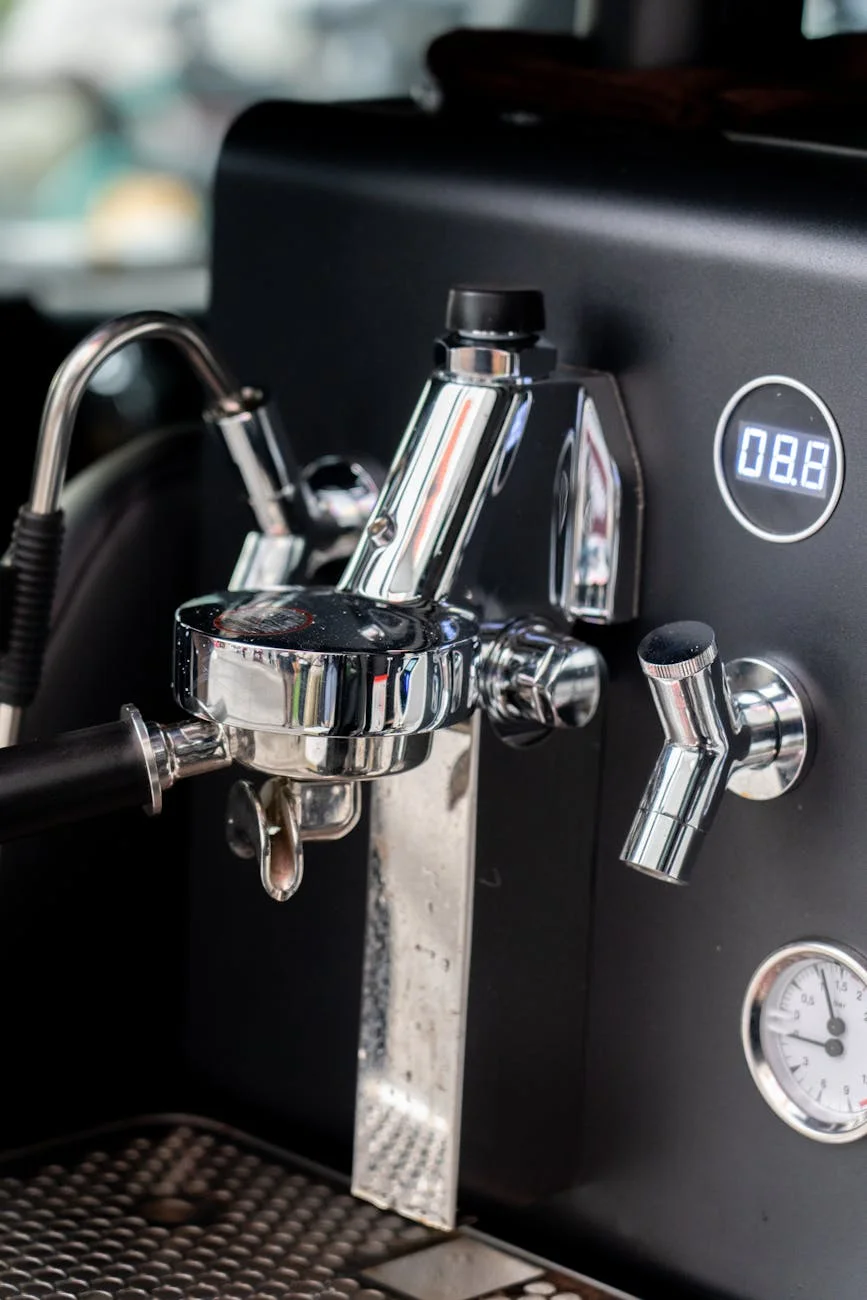
Stock vs precision baskets: Is the Gaggia Classic Pro upgrade worth it?
For the dedicated Gaggia Classic Pro user, the pursuit of the perfect espresso shot is a journey of continuous refinement. Every component in the chain, from the grinder to the tamper, plays a critical role. Among the most debated upgrades is the filter basket. While the stock basket supplied with the machine is perfectly functional, the rise of precision-stamped or laser-cut baskets presents a compelling question for experienced home baristas: does this component truly make a discernible difference to extraction quality, or is it a case of diminishing returns? This article explores the technical distinctions between stock and precision baskets, their impact on extraction dynamics, and whether the upgrade is a worthwhile investment for those seeking ultimate control over their espresso.
Understanding filter basket manufacturing
The primary difference between a stock and a precision filter basket lies in the manufacturing process and the resulting geometry of the filtration holes. A standard Gaggia Classic Pro basket is typically produced through a traditional stamping process. While effective and economical, this method can result in minor inconsistencies in hole size, shape, and distribution across the basket floor. Some holes may be slightly larger or smaller, and the pattern can have minor deviations.
Precision baskets, in contrast, are manufactured with a much higher degree of accuracy. Using advanced techniques such as laser cutting or photo-etching, manufacturers can create holes that are remarkably uniform in diameter and shape. The pattern is perfectly symmetrical and evenly distributed, ensuring that every exit point for the espresso is identical. This meticulous process aims to eliminate as many physical variables as possible, creating a more homogenous environment for water to pass through the coffee puck.
The impact on extraction hydrodynamics
The uniformity of a precision basket has a direct effect on the flow of water through the coffee grounds, a concept known as extraction hydrodynamics. With a stock basket, the varied hole sizes can lead to uneven flow rates in different areas. Water will naturally follow the path of least resistance, potentially favoring larger holes and leading to localized over-extraction while other areas of the puck remain under-extracted. This phenomenon contributes to channeling, where specific pathways are eroded through the coffee bed, severely compromising the quality and balance of the final shot.
A precision basket mitigates this risk by providing a perfectly even bed of resistance. Because every hole is identical, water is encouraged to saturate the puck uniformly and pass through it at a consistent rate. This promotes a more even, laminar flow, which is fundamental to achieving a balanced extraction. The result is that the entire coffee bed contributes equally to the shot, allowing the barista to unlock a more complete and nuanced flavor profile from their beans.
Adjusting your workflow and technique
Switching from a stock to a precision basket is not a simple drop-in replacement; it often requires adjustments to your preparation workflow. The most immediate change is typically the need to grind finer. The increased number and uniformity of holes in a precision basket create less hydraulic resistance, meaning water will flow through more quickly if the grind size remains the same. To achieve the same shot time, a finer grind setting is necessary to slow the flow and build adequate pressure.
Furthermore, precision baskets are far less forgiving of poor puck preparation. Any flaws in distribution or tamping will be amplified due to the basket’s uniform flow characteristics. In a stock basket, some minor inconsistencies might be masked by the basket’s own imperfections. With a precision model, however, any clump of grounds or uneven density in the puck will almost certainly create a channel. Therefore, meticulous distribution techniques, often involving a Weiss Distribution Technique (WDT) tool, become essential for consistent results.
Evaluating the difference in the cup
The ultimate test of any equipment upgrade is the final taste. For the Gaggia Classic Pro user, a precision basket can unlock a higher potential for clarity and complexity in the cup. By promoting a more even extraction, it helps reduce the simultaneous presence of bitter (over-extracted) and sour (under-extracted) flavor compounds that often result from channeling. The resulting shots frequently exhibit better flavor separation, a more refined acidity, and a fuller body.
However, it is important to maintain realistic expectations. A precision basket will not magically fix bad coffee or a flawed technique. It is a tool for consistency and optimization. For baristas who have already mastered the fundamentals of puck preparation and are seeking to eliminate the final variables in their process, the upgrade can provide that last step toward exceptional, repeatable espresso. For those still struggling with basics like consistent tamping and grind size, the benefits may be less apparent until those skills are honed.
Conclusion
For the Gaggia Classic Pro owner dedicated to mastering manual espresso, the upgrade to a precision filter basket is a logical and technically sound progression. It is not about hype but about control. By replacing the variable of an inconsistent basket with a tool engineered for uniformity, the barista gains a more stable platform to perfect their technique. The move demands a finer grind and meticulous puck preparation, but the reward is a higher ceiling for extraction quality, consistency, and flavor clarity. While the stock basket is capable, the precision alternative provides an environment where the true potential of both the machine and the barista can be realized. For those looking to refine their craft, relevant tools that support this process are available at papelespresso.com.


 No products in the cart.