

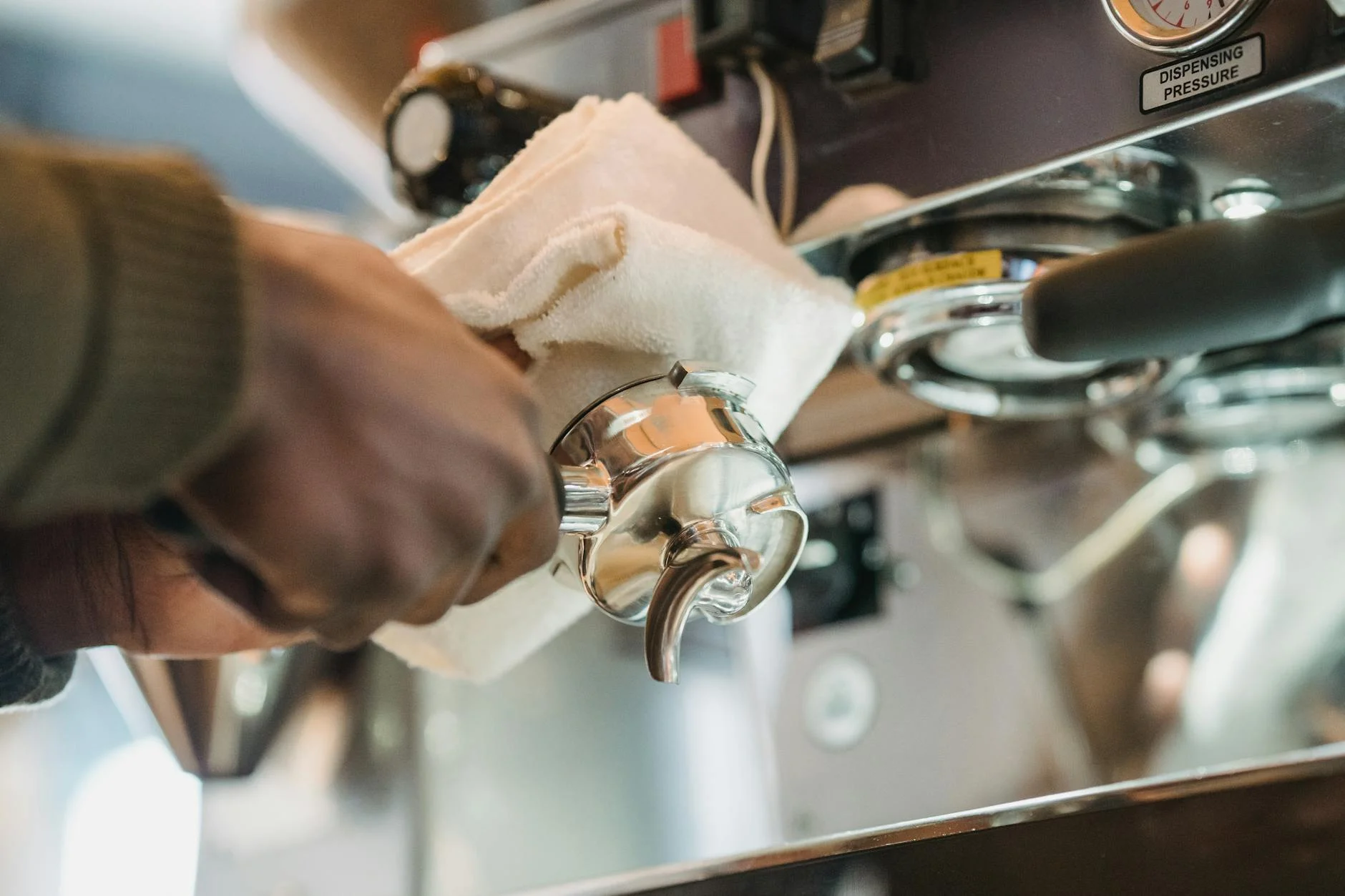
The Gaggia Classic Pro is a capable and enduring machine, valued by home baristas for its manual control and robust construction. However, like any machine with a vibratory pump and boiler system, it can be susceptible to a common issue after a period of inactivity: losing its prime. This occurs when an air pocket, or vapor lock, forms in the water intake line, preventing the pump from drawing water from the reservoir. Understanding how to correctly and efficiently prime the pump is a fundamental skill for any Gaggia owner, ensuring the machine is ready to perform when you need it.
Understanding vapor lock in your espresso machine
Vibratory pumps, like the one in the Gaggia Classic Pro, are excellent at moving water but are notoriously poor at moving air. A pump is considered “primed” when its internal mechanism and the line leading to it are completely filled with water. If the machine is left unused for an extended period, especially if it was recently hot, residual heat can cause the water in the intake tubing to evaporate. This creates a pocket of water vapor or air.
When you next activate the brew switch, the pump attempts to push against this air pocket. Because air is compressible, the pump’s vibrations are absorbed by the air and it cannot create the necessary pressure differential to pull more water from the tank. The result is a pump that runs without moving any water, a condition often referred to as a vapor lock. This is not a mechanical failure but a common operational issue that is easily resolved.
Symptoms of a pump that has lost its prime
Diagnosing a non-primed pump is straightforward and relies on sensory cues. The most obvious indicator is the sound of the pump itself. A properly primed pump produces a deep, resonant hum as it works against the resistance of the water. In contrast, a pump that is struggling with an air lock will sound noticeably different:
- A higher-pitched, almost buzzing sound.
- Significantly lower volume than usual.
- A lack of the characteristic “ramping up” sound as pressure builds.
Visually, the confirmation is simple: no water will be dispensed from the group head when the brew switch is engaged. If you hear this distinct, quiet buzzing and see no water flow, you can be confident that the pump requires priming.
The step-by-step priming procedure
Restoring the pump’s prime is a simple procedure that involves creating a low-resistance path for water to flow, allowing the pump to purge the trapped air. The steam wand provides this ideal path.
- Fill the water reservoir: Ensure the tank is filled with fresh water and properly seated in the machine. Check that both the intake and outlet tubes are fully submerged.
- Power on the machine: Turn on the main power switch. At this stage, do not activate the brew or steam switches.
- Open the steam valve: Turn the steam knob counter-clockwise, fully opening the steam valve. This creates a direct, open path from the pump to the steam wand, bypassing the resistance of the boiler and group head.
- Activate the brew switch: With the steam valve open, press the brew switch. The pump will engage. You will likely hear the quiet, high-pitched sound initially.
- Wait for water flow: After a few seconds, the pump should successfully push the air pocket out through the steam wand, followed by a steady stream of water. The moment water begins to flow, you will hear the pump’s sound change to a deeper, healthier hum.
- Close the steam valve: Once a consistent stream of water is exiting the steam wand, turn the steam knob clockwise to close the valve.
- Confirm the prime: With the brew switch still engaged, water should now be flowing from the group head. You can now turn off the brew switch. The pump is primed and the machine is ready for its normal heating cycle.
Proactive care to prevent loss of prime
While losing prime is common after a long break, a few simple habits can reduce its frequency. The most effective preventative measure is to avoid running the water reservoir completely dry during operation. Drawing air into the system is a guaranteed way to cause a vapor lock.
If you know the machine will be stored or left unused for several weeks, it can be helpful to run a small amount of water through the group head and steam wand before powering it down. This ensures the lines are left fully charged with water, minimizing the potential for air pockets to develop as the machine cools. For long-term storage, emptying the boiler according to the manufacturer’s instructions is the best practice, but for periods of a few weeks, simply ensuring the system is primed before shutdown is sufficient.
Mastering the priming process transforms a potentially frustrating experience into a minor, two-minute maintenance task. It is not a sign of a faulty machine, but rather a predictable characteristic of the prosumer-grade hardware used in the Gaggia Classic Pro. By understanding the cause—vapor lock—and executing the simple, valve-open procedure, you ensure your machine remains reliable and ready to produce quality espresso. Developing these fundamental technical skills is a key part of the manual espresso journey. For those looking to maintain their equipment, a range of relevant tools are available from retailers like papelespresso.com.


 No products in the cart.