

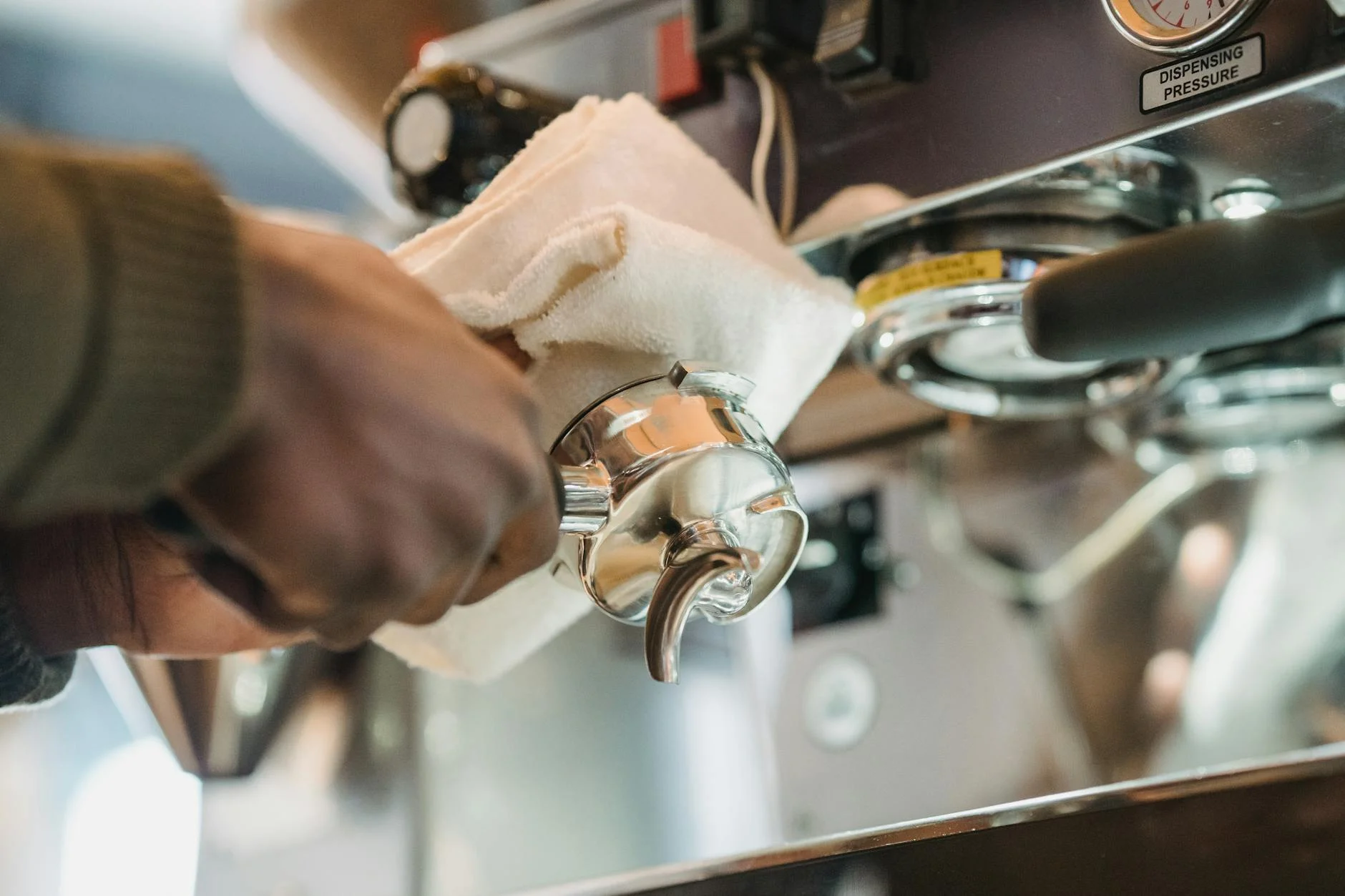
Creating a weekly and monthly maintenance schedule for your Gaggia Classic Pro
The Gaggia Classic Pro is revered for its robust build and straightforward, manual operation, offering a pure espresso experience. For the home barista who appreciates this level of control, machine maintenance is not a chore but an essential part of the craft. A disciplined cleaning schedule is the key to preserving the machine’s longevity and, more importantly, ensuring the consistent quality of your espresso. Coffee oils, mineral scale, and fine grounds accumulate quickly, and without regular attention, they will degrade shot flavor and machine performance. This guide provides a clear, actionable maintenance schedule designed for the experienced user, focusing on technical best practices for preserving your Gaggia Classic Pro.
Immediate post-use cleaning
The most critical maintenance happens in the moments after you pull a shot. These immediate actions prevent the rapid buildup of coffee oils and milk residue, which can become baked-on and difficult to remove if left unattended. Develop these habits to form the foundation of your cleaning routine.
- Group head flush: After removing the portafilter, run the pump for two to three seconds to flush coffee grounds from the shower screen and group head. This prevents old, stale grounds from tainting your next extraction.
- Portafilter and basket cleaning: Knock out the used puck and immediately rinse the portafilter and basket with hot water. Use a brush to dislodge any grounds stuck in the basket holes. Dry it before your next use.
- Steam wand purge and wipe: If you’ve steamed milk, wipe the steam wand with a dedicated damp cloth immediately. Afterward, point the wand toward the drip tray and open the steam valve for a second or two. This purges any milk that may have been drawn up into the wand, preventing blockages and bacterial growth.
Weekly maintenance routine
A more thorough cleaning once a week addresses the buildup that daily flushing cannot resolve. This routine focuses on the core brewing components and requires just a few minutes to complete.
Backflushing: This is a non-negotiable task for any machine with a three-way solenoid valve like the Gaggia Classic Pro. Backflushing cleans the group head, shower screen, and the solenoid valve itself by forcing water and a cleaning agent back through the system.
- Insert a blind basket (a basket with no holes) into your portafilter.
- Add a small dose of a dedicated espresso machine cleaning powder.
- Lock the portafilter into the group head and run the pump for 5-10 seconds. You will hear the pump strain slightly as pressure builds.
- Stop the pump. The three-way solenoid will release the pressure, discharging water and cleaning solution into the drip tray. This discharge is what cleans the valve path.
- Repeat this cycle four to five times.
- Remove the portafilter, rinse it and the blind basket thoroughly, re-insert it, and perform another five cycles with just water to rinse the system completely.
Also, take this time to soak your portafilter and baskets in a solution of hot water and coffee machine cleaner for about 20 minutes to dissolve stubborn coffee oils. Do not submerge any plastic or wooden handles.
Monthly deep cleaning and inspection
Once a month, it is wise to perform a more detailed cleaning and inspection of the group head components. This allows you to clean parts that backflushing cannot fully reach and to check for wear and tear.
Shower screen and dispersion plate removal: Using a flathead screwdriver, carefully remove the central screw holding the shower screen and the metal dispersion plate in place. Be mindful that on some models, this also secures a separate, smaller dispersion block. Take note of the orientation of these parts for reassembly. Scrub these components with a stiff brush and the same cleaning solution used for backflushing to remove any accumulated grime. While they are removed, use a brush and damp cloth to clean the underside of the group head itself. Once clean, reassemble the parts, ensuring the screw is firm but not overtightened.
Group gasket inspection: While the shower screen is off, inspect the rubber group gasket. It should feel pliable and free of cracks. If the gasket becomes hard, brittle, or your portafilter is leaking from the group during extraction, it is time to replace it. A fresh gasket ensures a proper seal and is critical for performance.
As-needed descaling
Descaling is the process of removing mineral scale (calcium and magnesium) that builds up inside the boiler and water paths. The frequency of descaling depends entirely on your water hardness. If you use very soft, filtered water, you may only need to descale once or twice a year. If your water is hard, you may need to do it quarterly.
Signs that your machine may need descaling include reduced steam power, lower brew temperature, or visible scale around the group head. Always use a descaling solution specifically formulated for espresso machines, as generic solutions like vinegar can damage the boiler’s metal and internal seals over time. Follow the instructions provided by the descaling product, which typically involves running the solution through the boiler and out of the group head and steam wand, followed by extensive rinsing with fresh water.
Conclusion
Maintaining your Gaggia Classic Pro is a straightforward process that pays significant dividends in taste and machine longevity. By integrating these tasks into a consistent schedule, from the immediate post-shot flush to periodic descaling, you ensure your machine operates at its peak potential. This discipline prevents the buildup of flavor-destroying residues and protects the internal components from unnecessary wear. A clean machine is the foundation of excellent espresso, allowing the quality of your coffee and your skill as a barista to shine through. The necessary cleaning supplies, gaskets, and tools for these tasks are typically available from dedicated espresso equipment suppliers.


 No products in the cart.