

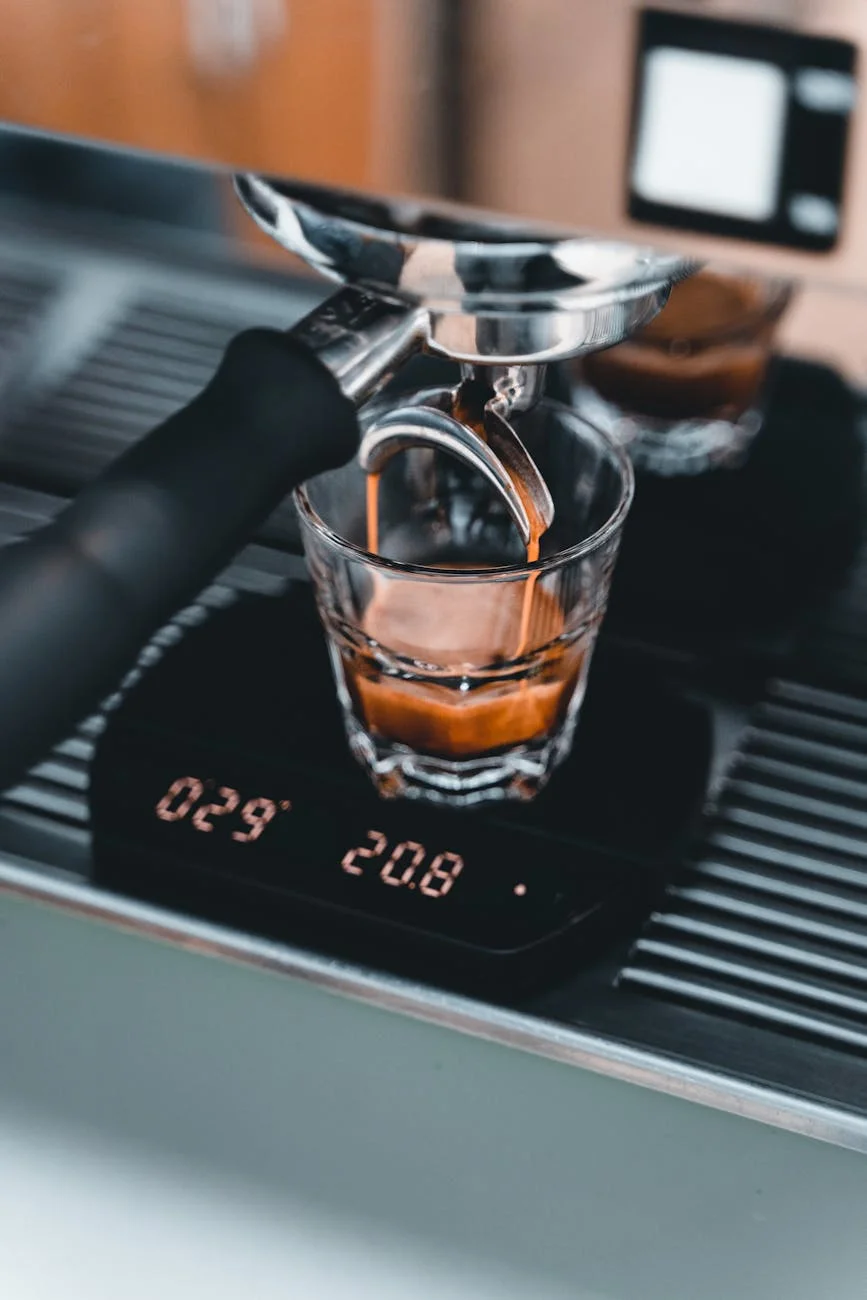
The bottomless portafilter is an indispensable diagnostic tool for any serious home barista using a Gaggia Classic Pro. By exposing the basket’s underside, it provides an unfiltered view of the extraction process, revealing flaws that a standard spouted portafilter would hide. For the manual espresso enthusiast, it offers direct, immediate feedback on the interplay between grind, dose, and puck preparation. This is not about aesthetics; it is about achieving a truly even extraction, which is the foundation of balanced and repeatable espresso shots. Understanding the visual cues it provides allows for precise troubleshooting, transforming guesswork into a methodical process of refinement. This guide focuses on interpreting that feedback to diagnose and resolve common extraction issues.
Reading the extraction: Visual cues and their meanings
A well-executed extraction on a bottomless portafilter follows a predictable and visually satisfying progression. Initially, you should see fine droplets of espresso begin to form across the entire bottom of the basket. These droplets should then coalesce into a single, stable stream that flows from the center. The stream should be viscous, consistent, and free of any spurting or “blonding” until the end of the shot. Deviations from this ideal are the first indicators of a problem.
Common visual flaws include:
- Channeling: This appears as small, aggressive jets of watery espresso spurting from the basket. It indicates that water has found a path of least resistance through the coffee puck, leading to localized over-extraction and overall under-extraction.
- Dead spots: Areas of the basket where coffee is slow to appear or doesn’t emerge at all. This suggests that the coffee in that area is too dense or not properly saturated, leading to an uneven yield.
- Early blonding: The stream becomes pale and watery much sooner than expected. This is a classic sign of under-extraction, often caused by a grind that is too coarse or significant channeling.
Puck preparation as the primary variable
The vast majority of extraction faults visible with a bottomless portafilter originate from inadequate puck preparation. An evenly dense and level coffee bed is crucial for forcing water to saturate the grounds uniformly. The first area to scrutinize is distribution. Simply grinding into the portafilter and tamping is rarely sufficient. Clumps and an uneven spread of grounds create density variations that water will exploit.
Effective distribution involves breaking up any clumps and settling the grounds into a homogenous bed. Techniques like tapping the side of the portafilter or using a distribution tool can significantly improve consistency. Following distribution, a firm and perfectly level tamp is essential. An angled tamp will compress one side of the puck more than the other, creating a clear path for water to channel through the less dense side. This will often manifest as the extraction beginning on one side of the basket before the other.
The interplay of grind size and dose
Once puck preparation is consistent, grind size and dose are the next parameters to adjust. These two variables are intrinsically linked and directly control the flow rate of your shot. If your extraction starts too quickly and aggressively, your grind is likely too coarse. The water is passing through the grounds without adequate resistance, leading to a thin, under-extracted shot.
Conversely, if the machine is choking and only a few dark drips emerge, the grind is too fine. This creates excessive resistance, leading to a slow, over-extracted shot with bitter flavors. The dose must be appropriate for the basket size. An under-dosed basket leaves too much headspace, which can cause the puck to degrade under pressure and promote channeling. An over-dosed basket can press against the shower screen, disrupting water dispersion and making a level tamp difficult. Using a scale to ensure a consistent dose weight is a non-negotiable step in eliminating variables.
Interpreting common extraction issues
By combining observations, you can form a clear diagnosis. A systematic approach is most effective. The table below outlines common scenarios, their likely causes, and a logical path to resolution.
| Visual Symptom | Primary Suspected Cause | Recommended Action Plan |
|---|---|---|
| Spurting jets from one specific area | Localized channeling from poor distribution or an uneven tamp. | Focus on breaking up clumps and ensuring a level tamp. A Weiss Distribution Technique (WDT) tool can be effective. |
| Extraction begins on one side only | Uneven puck density, often from an angled tamp or poor distribution. | Confirm your tamp is perfectly level. Ensure the machine itself is on a level surface. |
| Shot flows very fast and is watery | Grind is too coarse, dose is too low, or there is severe, widespread channeling. | Adjust grind finer in small increments. Confirm dose weight with a scale. Review puck preparation technique. |
| Shot chokes the machine, flows very slowly | Grind is too fine. | Adjust grind coarser. Ensure you are not over-dosing the basket, which can also restrict flow. |
Conclusion
Using a bottomless portafilter on the Gaggia Classic Pro demystifies the extraction process, turning abstract concepts into tangible, visual feedback. It consistently shows that the path to better espresso is paved with methodical puck preparation and precise control over grind and dose. By observing how the shot begins and develops, you can identify the root cause of an imbalanced cup. Channeling, uneven flow, and premature blonding are not random occurrences; they are direct results of specific flaws in the process. Correcting them requires patience and attention to detail, but leads to a profound improvement in shot quality and consistency. For baristas seeking to elevate their craft, relevant precision tools that assist in distribution and tamping are available from suppliers like papelespresso.com.
 No products in the cart.