

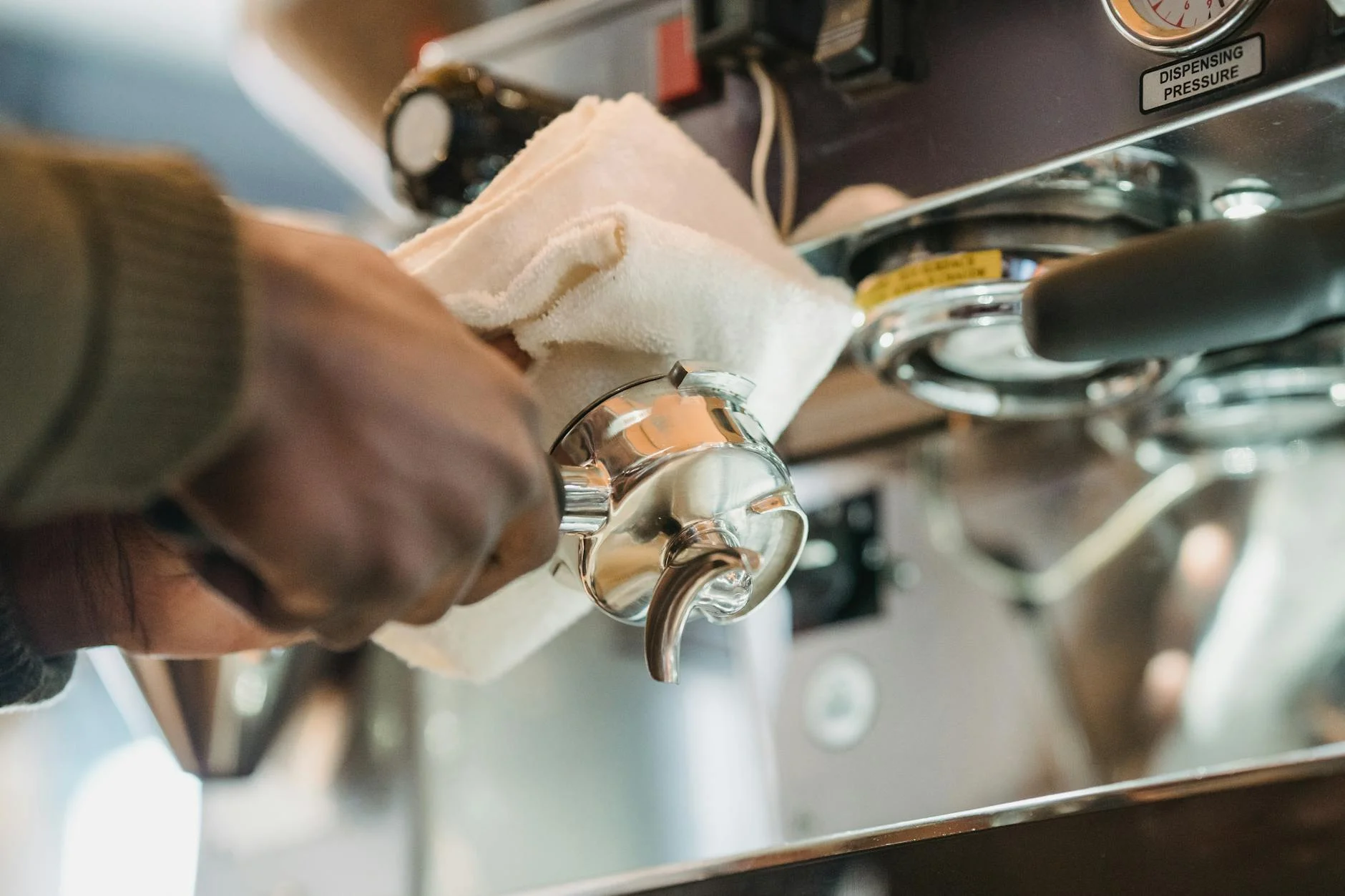
How water hardness affects the performance of your Gaggia Classic Pro boiler
For the dedicated home barista, mastering the Gaggia Classic Pro is a journey of precision. We obsess over grind size, puck preparation, and pressure profiling, yet often overlook a fundamental variable: water chemistry. The mineral content of your water, specifically its hardness, directly influences your machine’s health and the thermal stability of your brew water. Understanding this relationship is not just about preventative maintenance; it is essential for achieving shot-to-shot consistency. This article explores the technical impact of water hardness on the Gaggia Classic Pro’s boiler, providing the knowledge needed to protect your equipment and elevate your espresso.
Understanding water hardness and scale
Water hardness is primarily determined by the concentration of dissolved calcium and magnesium ions. It is typically measured in parts per million (PPM) or grains per gallon (GPG). We can break this down into two key concepts:
- General Hardness (GH): This measures the total concentration of calcium and magnesium ions. These are the primary minerals responsible for forming limescale.
- Carbonate Hardness (KH): Also known as alkalinity, this measures the concentration of carbonate and bicarbonate ions. These act as a buffer, stabilizing pH, but they are also the ions that bind with calcium to create scale when heated.
When water containing both calcium and carbonate hardness is heated inside the Gaggia’s boiler, a chemical reaction occurs. The heat causes calcium carbonate (CaCO₃) to precipitate out of the solution and deposit onto surfaces as a hard, chalky substance known as limescale. The Gaggia’s compact aluminum boiler, when subjected to repeated heating cycles, provides an ideal environment for this process to occur rapidly.
| Hardness Level | Total Hardness (PPM as CaCO₃) | Recommended Action |
|---|---|---|
| Soft | 0-60 | Generally safe, but may lack minerals for optimal extraction. |
| Moderately Hard | 61-120 | Scale buildup will occur. Water softening is recommended. |
| Hard | 121-180 | Significant and rapid scale formation. Softening is essential. |
| Very Hard | >180 | High risk of component damage. Use of untreated water is not advised. |
The impact of scale on thermal performance
The most immediate and critical effect of limescale is on thermal transfer. The Gaggia Classic Pro’s heating elements are attached to the exterior of the aluminum boiler. For the water inside to reach and maintain its target brew temperature, heat must conduct efficiently through the boiler wall.
Limescale is a very effective insulator. As it forms a layer on the interior boiler surfaces, it slows down the transfer of heat from the boiler material to the water. This creates several performance issues:
- Reduced temperature stability: The machine’s thermostats, which measure the boiler’s temperature, may read that the target is reached, but the water inside will be cooler due to the insulating layer of scale. This leads to under-extracted, sour shots.
- Longer recovery times: The heating elements must work longer and harder to bring the water up to temperature, increasing the time needed between shots and reducing workflow efficiency.
- Inaccurate temperature surfing: For users who “temperature surf” to hit specific brew temperatures, scale makes the process unreliable. The lag between the thermostat reading and the actual water temperature becomes unpredictable.
Flow restriction and component failure
Beyond thermal issues, scale buildup causes significant physical obstructions within the machine’s water path. The Gaggia Classic Pro has several narrow channels where even minor deposits can cause major problems. Scale flakes can break off from the boiler wall and travel through the system, while scale can also form directly within these components.
The most common points of failure are the three-way solenoid valve and the group head. The solenoid valve is a precision component responsible for relieving pressure from the portafilter after a shot. Scale can cause it to stick or fail entirely, leading to soupy pucks or a complete loss of function. Furthermore, scale can clog the small dispersion holes in the shower screen, causing uneven water distribution over the coffee puck and promoting channeling, which ruins shot quality.
A strategy for managing water quality
Protecting your Gaggia Classic Pro from scale is a proactive process, not a reactive one. While descaling can remove existing buildup, frequent descaling with harsh acids can be hard on internal components. The superior approach is to use properly treated water from the start.
First, test your tap water to understand its mineral content. Simple and inexpensive titration kits can provide accurate readings for both General and Carbonate Hardness. Once you know your baseline, you can select an appropriate treatment method. Options range from in-tank water softening pouches, which use ion exchange resins to remove calcium and magnesium, to building your own water profile from distilled or reverse osmosis water by adding specific mineral concentrates. The ideal water for espresso is soft but not completely devoid of minerals, typically falling in the 50-100 PPM range.
Conclusion
The hardness of your water is not a secondary detail; it is a critical factor in the performance and longevity of your Gaggia Classic Pro. The formation of limescale inside the boiler directly degrades thermal stability, leading to inconsistent and under-extracted espresso. It also obstructs water flow and can cause premature failure of key components like the solenoid valve. By testing your water and implementing a proper softening strategy, you move from a reactive cycle of descaling to a proactive state of machine maintenance. This focus on water chemistry ensures that your Gaggia can perform as intended, delivering the thermal precision required for high-quality, repeatable results. For those looking to implement these practices, a range of water testing and treatment tools are available from retailers like papelespresso.com.


 No products in the cart.