

The Gaggia Classic Pro: a guide to tamper fit for stock and precision baskets
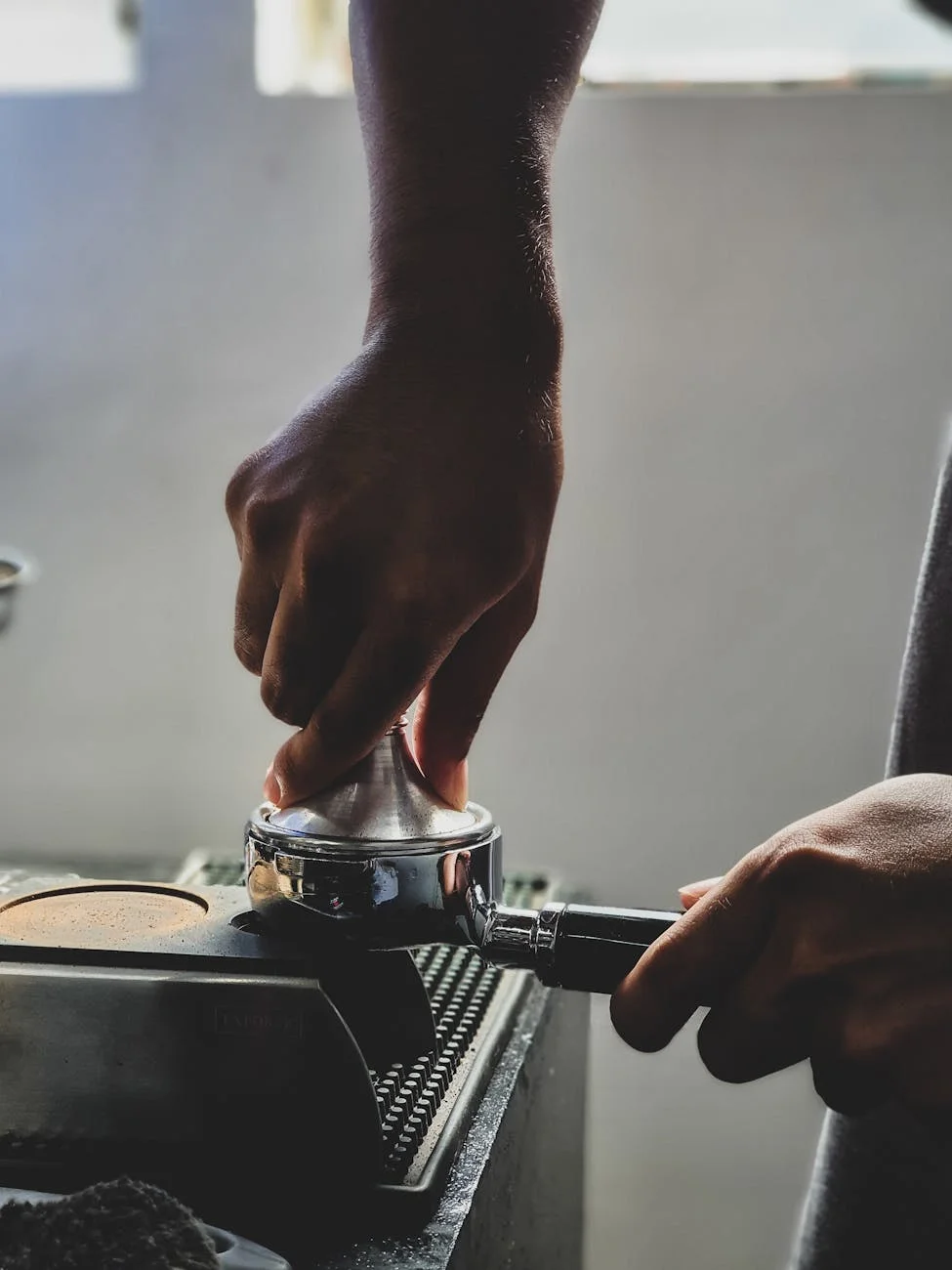
The Gaggia Classic Pro is a cornerstone of home espresso, celebrated for its robust build and manual control. For users dedicated to refining their technique, every variable in the puck preparation process matters. Among the most critical yet often misunderstood is the relationship between the tamper and the filter basket. An improper fit can introduce channeling and inconsistency, undermining even the most meticulous grind and distribution work. This article examines the specific requirements for tamper sizing when using the Gaggia Classic Pro, contrasting the standard manufacturer-supplied basket with the popular aftermarket precision alternatives. The goal is to provide a clear, technical understanding for achieving optimal puck integrity.
Understanding basket diameter and shape
While the Gaggia Classic Pro uses a commercial-standard 58mm portafilter, the term “58mm” is a nominal classification, not a precise internal measurement. The actual diameter of filter baskets can vary significantly due to manufacturing tolerances and design philosophy. More importantly, the geometry of the basket walls plays a decisive role in selecting the correct tamper.
The two primary designs are tapered and straight-walled. A tapered basket is narrower at the bottom than at the top, a common feature in stock baskets designed for forgiving performance. In contrast, precision baskets feature straight or near-straight walls, engineered for uniform extraction. This fundamental difference in shape is the primary reason a single tamper size is rarely optimal for both types.
| Feature | Stock Gaggia Basket | Precision Basket (e.g., VST, IMS) |
|---|---|---|
| Wall shape | Noticeably tapered | Straight or near-straight |
| Internal diameter | Variable, narrowing toward the base | Consistent from top to bottom |
| Manufacturing tolerance | Less precise | Extremely high, with tight tolerances |
| Resulting tamper fit | Often requires a compromise (e.g., 58.0mm) | Allows for a very snug fit (e.g., 58.4mm – 58.5mm) |
The Gaggia Classic Pro stock basket
The basket supplied with the Gaggia Classic Pro is a durable, functional component designed for a wide range of users. Its defining characteristic is a tapered design. The internal diameter at the top rim may be close to 58.5mm, but it narrows toward the bottom. This presents a challenge for tamping.
Using a tamper with a very tight fit, such as one measuring 58.5mm, will likely cause it to bind or get stuck partway down the basket. To avoid this, a slightly smaller tamper, typically 58.0mm, is often used. The trade-off is that this undersized tamper can leave a small, untamped ring of coffee grounds around the perimeter of the puck’s surface. This less-dense outer edge can encourage channeling, where water preferentially flows through the path of least resistance, leading to an uneven extraction.
Precision baskets and the demand for a precise fit
For enthusiasts seeking greater consistency, upgrading to a precision filter basket is a common step. These baskets are manufactured with extremely tight tolerances, ensuring a consistent internal diameter from top to bottom. Their straight-walled design is intended to promote a uniform flow of water through the entire coffee bed.
This design not only allows for but rewards the use of a precisely matched tamper. With a straight-walled basket, a tamper that is just slightly smaller than the internal diameter (e.g., a 58.5mm tamper in a 58.7mm basket) can be used. This snug fit ensures the entire surface of the coffee is compacted uniformly, minimizing the risk of edge channeling. The result is a more homogenous puck density, which is a critical factor in achieving a balanced and repeatable extraction.
Measuring your basket for an optimal fit
To eliminate guesswork, measuring the internal diameter of your specific basket is the most reliable method for choosing a tamper. The best tool for this job is a digital caliper, which provides precise measurements.
For a stock, tapered basket, measure the diameter at the depth you typically tamp to. For a 14-gram dose, this might be 8-10mm below the rim. This measurement will give you a target for a tamper that can travel to the correct depth without binding. For a precision basket, you can measure anywhere along the wall, as the diameter should be consistent. Once you have an accurate measurement, you can select a tamper that is approximately 0.1mm to 0.3mm smaller than the basket’s internal diameter to allow for clearance without creating a significant gap.
Conclusion
Ultimately, the filter basket dictates the ideal tamper size, not the portafilter or the machine itself. The tapered design of the Gaggia Classic Pro’s stock basket necessitates a compromise, often leading users to select a 58.0mm tamper to avoid binding, at the risk of leaving untamped grounds at the edge. In contrast, the straight walls and tight tolerances of a precision basket enable the use of a much snugger-fitting tamper, typically in the 58.4mm to 58.5mm range. This precise fit is key to minimizing edge channeling and improving extraction consistency. For home baristas looking to refine their puck preparation, upgrading the basket is often the first and most impactful step toward achieving a perfect tamper fit. Those interested in such tools will find a range of options available from specialists like papelespresso.com.

 No products in the cart.