

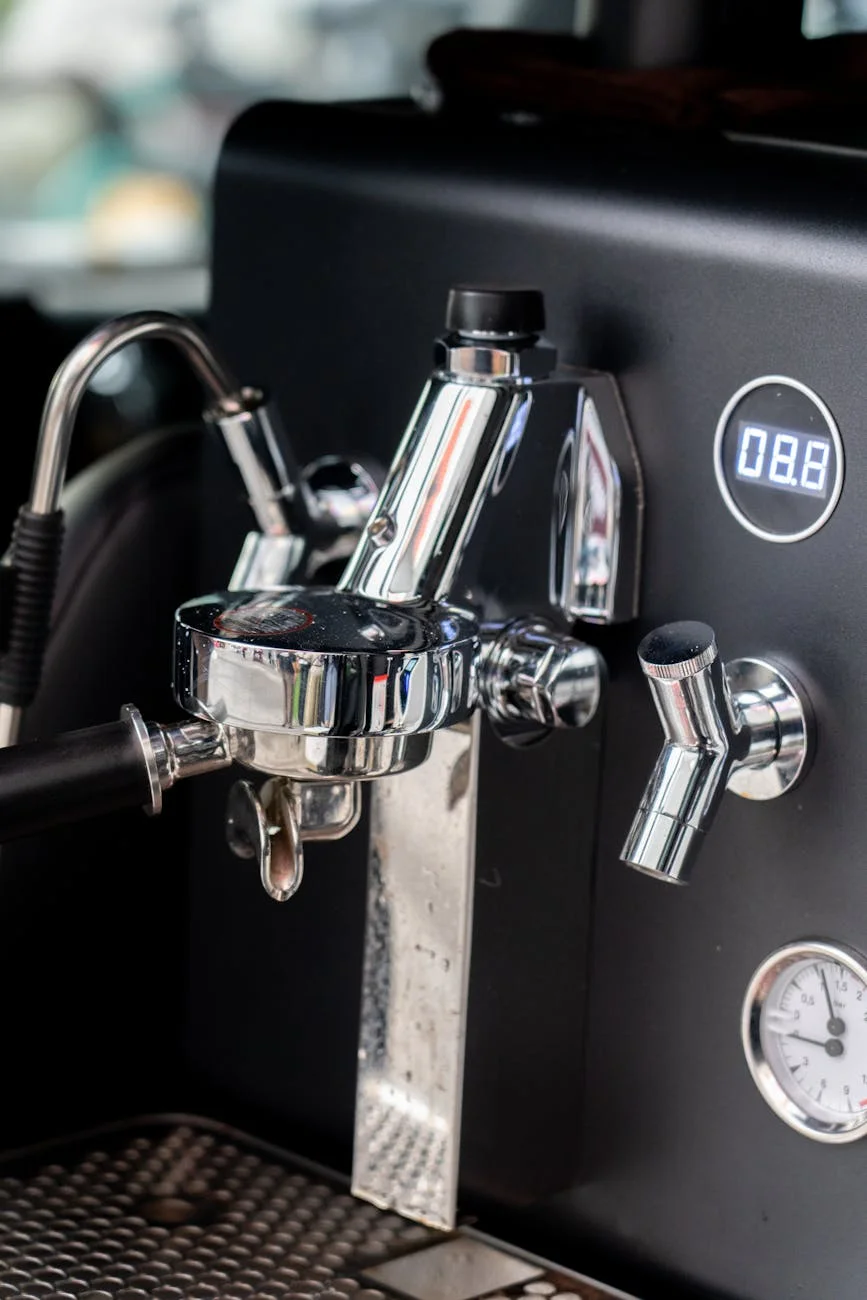
The impact of upgrading to an IMS precision shower screen on the GCP
The Gaggia Classic Pro (GCP) has earned its place as a cornerstone for home espresso enthusiasts. Its robust build, straightforward mechanics, and vast potential for modification make it an ideal platform for those who enjoy tinkering to perfect their craft. Among the most common and impactful upgrades is replacing the stock shower screen with a precision-engineered alternative. This article provides a technical, hype-free examination of what this change entails, focusing on how an IMS precision screen alters water dynamics and extraction quality. The goal is to equip experienced users with a clear understanding of the functional benefits, moving beyond marketing claims to the core principles of espresso brewing.
Deconstructing the standard Gaggia shower screen
The shower screen that comes standard with the Gaggia Classic Pro is designed for function and durability within a specific cost framework. It consists of a metal plate held in place by a central screw, sitting between the group head’s dispersion block and the coffee puck. The primary role of this component is to distribute water from the machine onto the ground coffee. The stock screen typically features a pattern of relatively large, stamped holes. While this design accomplishes the basic task, its limitations become apparent when striving for optimal extraction.
The larger perforations can create distinct jets of water, leading to uneven saturation of the coffee bed. Some areas of the puck receive a more forceful and concentrated stream of water than others. This initial unevenness can disrupt the puck’s integrity before extraction even begins, creating localized areas of lower density. These spots become paths of least resistance, encouraging water to flow through them preferentially, a phenomenon known as channeling. Furthermore, the construction and material can make the stock screen more susceptible to trapping coffee oils and fine particles, complicating cleaning and potentially introducing off-flavors if not meticulously maintained.
What defines an IMS precision shower screen?
IMS (Industria Materiali Stampati) specializes in filtration systems for coffee, and their precision shower screens are engineered to address the limitations of stock components. The difference lies in a few key areas of design and manufacturing. First, IMS screens are made from high-grade stainless steel, offering superior durability and a smoother surface that is less prone to coffee oil adhesion. The most significant distinction, however, is the hole pattern.
Instead of fewer, larger holes, an IMS screen features a much higher density of smaller, more precisely machined or photo-etched perforations. This design transforms the water flow from several distinct jets into a gentler, more uniform shower. The goal is to disperse the water’s energy across the entire surface of the coffee puck simultaneously. Some models also feature a nanotech quartz coating, which creates a highly hydrophobic surface, further minimizing the buildup of coffee residue and making cleaning exceptionally easy.
The impact on water distribution and puck saturation
The transition from a stock screen to an IMS precision screen has a direct and observable effect on extraction dynamics. The core benefit is the promotion of a more uniform puck saturation. By delivering water gently and evenly, the IMS screen minimizes the physical disruption to the coffee bed during the critical first few seconds of a shot. This even pre-wetting allows the entire puck to swell uniformly, creating a homogenous resistance to the flow of water.
This improved distribution is a powerful tool in the fight against channeling. When the entire puck is saturated evenly, there are fewer opportunities for water to exploit a weak spot and carve a channel. The result is a more balanced extraction. Instead of a mix of over-extracted flavors (bitterness, astringency) from the channel and under-extracted flavors (sourness) from the rest of the puck, the final cup tends to present greater clarity, sweetness, and a more well-rounded flavor profile. The improvement is not about adding anything new to the coffee but rather about allowing the coffee’s full potential to be expressed more consistently.
Practical considerations for installation and upkeep
For the Gaggia Classic Pro user, installing an IMS precision screen is a simple and reversible modification. It typically involves removing the single flathead screw that holds the stock screen and dispersion plate in place, swapping the screen, and reassembling. The entire process takes only a few minutes.
The benefits extend beyond the extraction itself and into routine maintenance. The smoother surface and precisely machined holes of the IMS screen are significantly easier to clean. A simple wipe with a cloth after a shot removes most coffee grounds, and the screen is more resilient to stubborn oil buildup. This ease of cleaning contributes to better long-term performance and flavor consistency, as it reduces the chances of rancid coffee oils contaminating future shots. Effective backflushing also becomes more efficient, ensuring the group head remains clean and free of debris.
Conclusion
Upgrading the Gaggia Classic Pro with an IMS precision shower screen is a technical refinement, not a magic bullet. Its value lies in improving the fundamental mechanics of water delivery. By transforming a few concentrated jets into a gentle, uniform shower, it fosters a more even puck saturation, which is critical for reducing channeling and achieving a balanced extraction. The result is often a more consistent, flavorful, and expressive espresso. While this upgrade is a significant step toward optimizing a GCP, it is most effective when paired with meticulous puck preparation, including consistent grinding, distribution, and tamping. For home baristas dedicated to refining every variable in their process, precision components like these offer a meaningful improvement in control and quality. Those interested in exploring such upgrades can find relevant tools at retailers like papelespresso.com.
 No products in the cart.